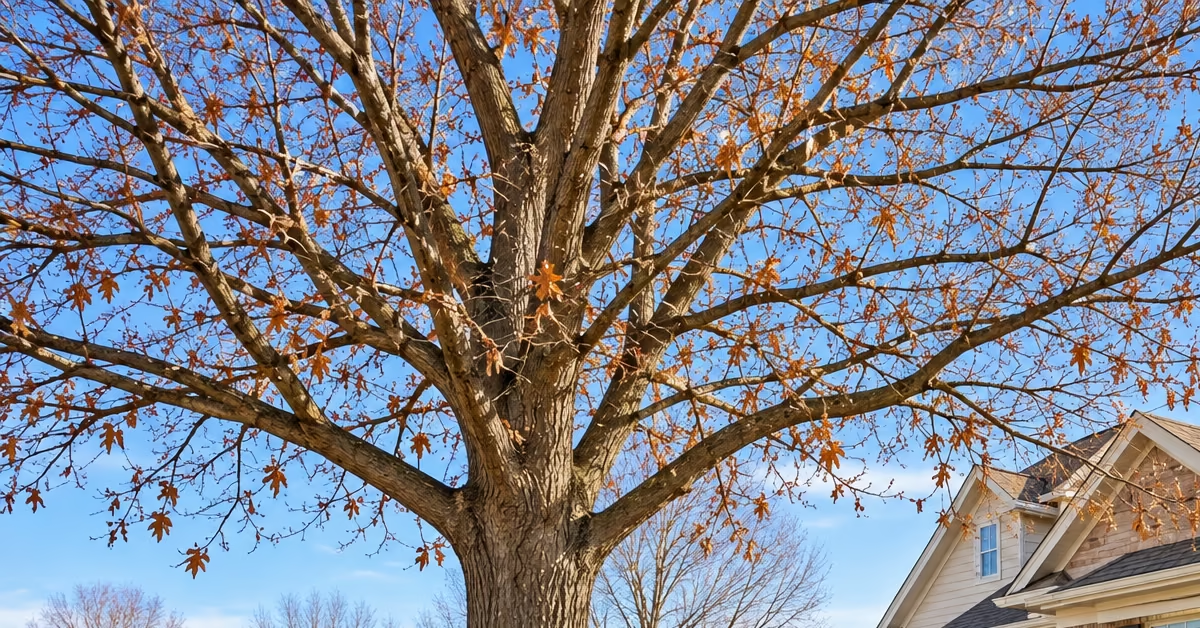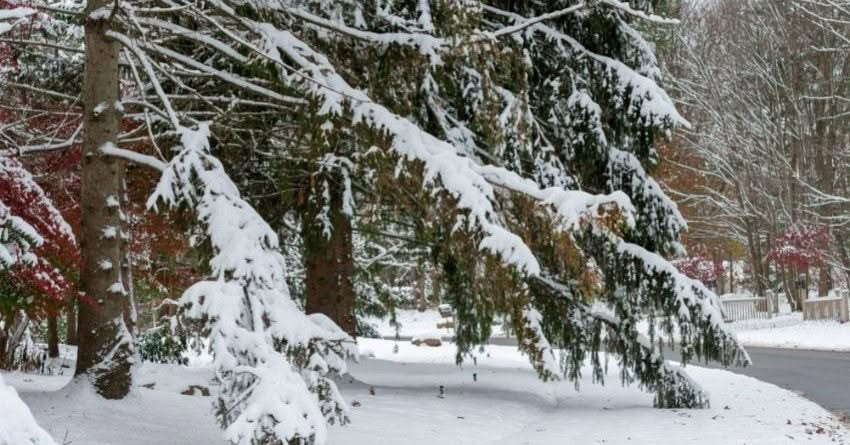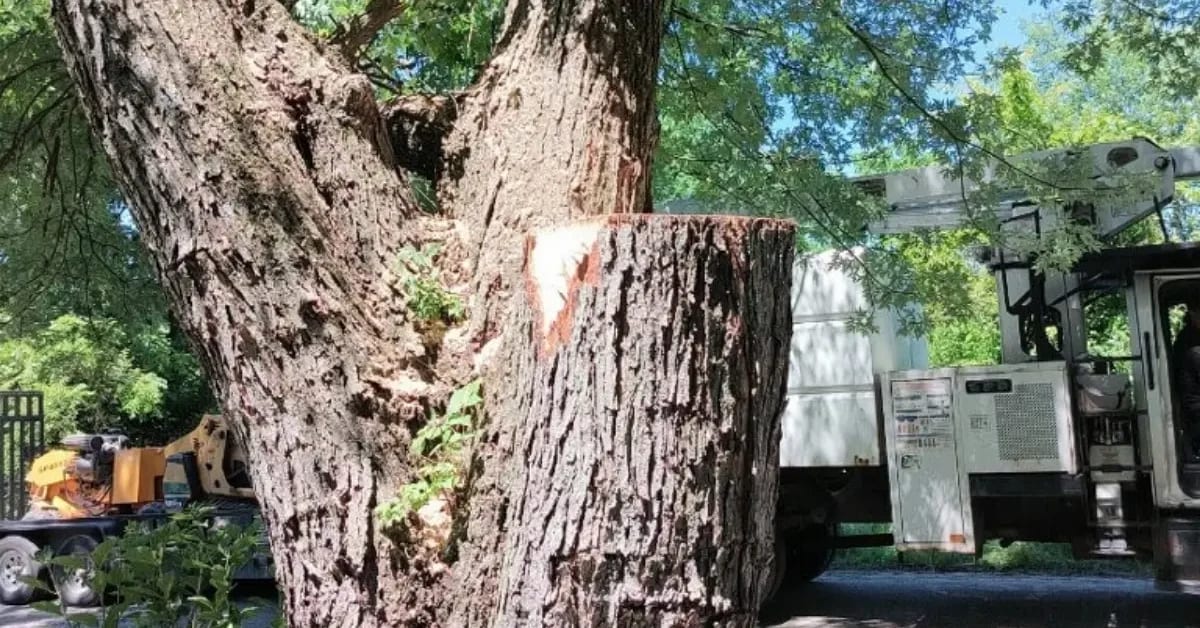
Hazardous leaning street tree in Columbus tree lawn

City of Columbus Urban Forestry: How to Report Hazardous Trees on Public Property

Key Takeaways Ownership Identification: Determine if the tree is on the public “right-of-way” before reporting to the city. The 311 System: Utilize the Columbus 311 Service Center for non-emergency public tree concerns. Emergency Scenarios: Call 911 or the Department of Public Service for trees blocking roads or involving power lines. Liability Boundaries: The city maintains […]

Read More from City of Columbus Urban Forestry: How to Report Hazardous Trees on Public Property

Tree structural crack with visible bark damage

Assessing Structural Cracks in Your Mature Trees

Key Takeaways Identifying Structural Cracks: Understanding the signs of structural damage, such as visible splits, bark separation, and weak branches.  Causes of Cracks: Factors like age, weather, pests, and poor pruning practices contribute to cracks in trees.  Assessing Severity: Learn how to evaluate minor, moderate, and severe cracks and decide on the best course of […]

Read More from Assessing Structural Cracks in Your Mature Trees

Young Trees in Columbus: Managing Growth on Narrow Suburban Lots

Key Takeaways: Right Tree, Right Place: Success on narrow lots starts with selecting species with a columnar or upright growth habit. Early Structural Pruning: Training a young tree early prevents costly structural failures and clearance issues as it matures. Root Management: Using root barriers can protect foundations and sidewalks from damage in tight suburban spaces. […]

Read More from Young Trees in Columbus: Managing Growth on Narrow Suburban Lots

Columbus street tree in public right-of-way tree lawn

Who Owns That Tree? Understanding Public Right-of-Way in Columbus Neighborhoods

Key Takeaways Understanding Public Right-of-Way: Public right-of-way areas in Columbus typically refer to spaces between private property and the street, where trees may be planted.  Ownership of Trees: While residents may plant trees in these areas, ownership and maintenance responsibilities can often belong to the city or the property owner, depending on the situation.  Responsibilities […]

Read More from Who Owns That Tree? Understanding Public Right-of-Way in Columbus Neighborhoods

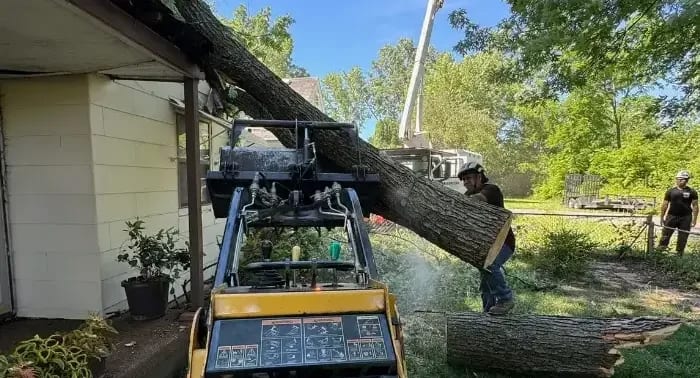
Large tree crashed through roof after Ohio storm

How to Secure Your Property Safely After Significant Tree Damage

Key Takeaways Establish a 30-Foot Safety Zone: Never approach damaged trees or downed lines; assume all power lines are live. Prioritize Structural Stabilization: Evacuate any building struck by a tree until a structural engineer or professional arborist clears it. Document Before Disturbing: Take comprehensive photos and videos from multiple angles for insurance before any debris […]

Read More from How to Secure Your Property Safely After Significant Tree Damage

Downed tree entangled with live power lines after Ohio storm

Emergency Tree Service Protocol: Identify Hazards After a Storm in Columbus

Key Takeaways   Assume Danger: Always treat downed power lines as live and maintain a minimum 30-foot distance. Look Up and Down: Hazards exist both in the canopy (hanging limbs) and at the base (root heaving). Structural Compromise: Vertical cracks or “fresh” wood splits indicate a tree is in imminent danger of falling. Safety Over […]

Read More from Emergency Tree Service Protocol: Identify Hazards After a Storm in Columbus

A large fallen tree limb resting on a residential roof after a storm in Grove City.

When Insurance Won’t Pay: Understanding “Negligence” in Tree Damage Claims

Key Takeaways Act of God vs. Negligence: Insurance covers “sudden and accidental” events but denies claims caused by lack of maintenance. Maintenance is a Requirement: Homeowners are contractually obligated to mitigate risks on their property. Warning Signs Matter: Visible decay, hollow trunks, and dead limbs are considered “pre-existing conditions” by adjusters. Documentation is Key: Professional […]

Read More from When Insurance Won’t Pay: Understanding “Negligence” in Tree Damage Claims

Large oak tree leaning dangerously toward a house in Columbus, Ohio, with soil lifting at the base.

How to Tell If a Leaning Tree Is Dangerous: A Homeowner’s Guide to Risk Assessment

To understand risk, we must first understand the biology behind why trees lean. Most “crooked” trees are actually perfectly stable. They have adapted over the years to support their own weight by building “reaction wood” to reinforce the trunk. Phototropism: The “Safe” Lean Trees are phototropic, meaning they actively grow toward the strongest light source. […]

Read More from How to Tell If a Leaning Tree Is Dangerous: A Homeowner’s Guide to Risk Assessment

Young tree protected with burlap windbreak and mulch during winter

How to Protect Young Trees from Winter Winds and Salt Spray

Winter in your neighborhood can be harsh on newly planted trees. You spent time choosing the right species, digging the hole, and watering through the summer. Then December arrives with freezing winds that rip through your yard, followed by snowplows spraying salt across everything near the road. By March, you notice browning needles, cracked bark, […]

Read More from How to Protect Young Trees from Winter Winds and Salt Spray

A stump grinding machine removing a tree stump in a residential yard

How Much Does Stump Grinding Cost and What Affects the Price?

After a storm tears through your neighborhood or you finally remove that diseased oak from your front yard, you’re left staring at an ugly stump. It’s more than an eyesore. That leftover stump can attract termites, create a tripping hazard for kids playing in the yard, and make mowing your lawn a frustrating obstacle course. […]

Read More from How Much Does Stump Grinding Cost and What Affects the Price?