
Key Takeaways
- A leaning tree in Broomfield, CO, can indicate root rot, soil erosion, slope instability, or trunk damage that may lead to sudden failure.
- Warning signs like new post-storm leaning, cracked trunks, exposed roots, or nearby structures require prompt professional inspection.
- Prevention includes proper watering, annual tree health checks, soil stabilization, and protecting roots during nearby construction work.
- Certified arborists can diagnose issues and recommend solutions like cabling, bracing, or safe removal when needed.
- Early intervention is critical, as delaying assessment often leads to higher risk, greater damage, and increased costs.
Spotted lanternfly (SLF) sightings in Ohio hit 2,100 in 2025, up sharply from 1,400 in 2024.
SLF feeds on sap from over 70 plant species, causing wilting, dieback, honeydew, and sooty mold that weaken trees. Warning signs include –
- sticky honeydew
- black sooty mold
- oozing sap
- yellowing leaves and
- adult SLF with gray spotted wings and red underwings.
Ohio enacted a statewide SLF quarantine in 2026, prohibiting the movement of nursery stock without inspection, confirming SLF is here long-term. Early action is critical: delaying increases tree death risk and removal costs.
A tree that suddenly shows spotted lanternflies in your Columbus, Ohio, yard can be alarming. It might look harmless at first, but spotted lanternfly often signals serious underlying issues, such as root rot, soil erosion, wilting, dieback, and structural weakness that can lead to sudden tree collapse. In Central Ohio’s variable climate with warm summers, moderate rainfall, and abundant hardwoods, trees are especially vulnerable to SLF feeding and secondary disease. Many homeowners wait too long to address SLF infestation, only realizing the danger when trees start dying.
This article explains what SLF is, why it’s spreading in Central Ohio, how to identify infestations, what damage looks like, how homeowners can help, and why hiring a certified & experienced tree service firm in Central Ohio is critical for safety and tree health.
Why Do Trees Get Infected with Spotted Lanternfly in Central Ohio?
Trees get infested due to several common causes. SLF is a highly invasive planthopper native to Asia that feeds on plant sap, weakening vines and trees. SLF prefers tree-of-heaven as its primary host but feeds on over 70 plant species, including economically important crops like grapes, stone fruit, black walnut, oak, and maple. When SLF feeds, it excretes a sticky, sugary fluid called honeydew, which promotes the growth of black sooty mold on bark and soil below. This mold blocks sunlight, further stressing plants and making outdoor areas unpleasant. Feeding causes wilting, leaf curling, branch dieback, and increased susceptibility to disease and secondary pests. Ohio’s climate with warm summers, moderate rainfall, and abundant hardwoods supports SLF population growth. The pest has no natural predators in the U.S., allowing rapid spread. In 2026, Ohio enacted a statewide quarantine, confirming SLF is now established across the state.
When a Spotted Lanternfly Infestation Is an Immediate Danger
Some SLF infestations require urgent professional evaluation.
- If the tree shows rapid dieback with multiple branches dying within weeks and leaves yellowing or curling suddenly, treat it as high risk.
- New infestation combined with heavy honeydew, thick black mold covering bark, or oozing sap at feeding sites signals active failure.
- Trees with severe stress near houses, driveways, fences, or power lines are dangerous, especially if leaning or cracking.
- Large adult populations with hundreds clustering on one tree in late summer indicate active infestation.
- If the tree’s canopy is thinning, leaves are yellowing, or branches are diebacking, root health is compromised.
- If any of these signs are present, call a certified arborist immediately for assessment. Do not wait. Infested trees can weaken rapidly and fall suddenly without warning.
How to Assess SLF Risk Yourself (Safely)
Homeowners can do a basic risk check without touching the tree.
- Stand 10–15 feet away and observe adult SLF with gray spotted forewings and red-and-black underwings.
- Check the trunk for gray, mud-like egg masses stuck to bark, fences, or vehicles.
- Look for sticky honeydew dripping from bark and black sooty mold coating bark and soil below. Inspect the canopy for thinning, yellow leaves, or dead branches, indicating tree stress. It is important to note that if the infestation is new or has existed for months. If the tree is near a structure, driveway, or road, the risk is higher.
- Do not climb the tree, cut branches, or spray random insecticides; this can worsen stress. If you spot red flags, contact a professional immediately.
Professional Assessment and Diagnosis
A certified arborist in Columbus, Ohio, performs a detailed assessment using professional tools to –
- identify SLF feeding sites, measure honeydew and mold coverage, check for branch dieback and wilting, and evaluate overall tree stress.
- identify honeydew buildup, sooty mold, fungal infection, or structural weakness.
- determine if the tree can be saved through pruning, targeted insecticide, soil stabilization, or cabling, or if removal is necessary for safety.
- provide written reports for insurance claims and municipal permits.
Professional assessment is the only way to accurately diagnose SLF damage and choose the right solution.
Solutions for SLF-Infested Trees
Not all infested trees must be removed. If the tree is still healthy and infestation is minor, arborists can apply targeted insecticide using systemic treatments that reduce SLF feeding without harming beneficial insects.
- Soil stabilization using mulch, compost, or irrigation adjustment can improve root support.
- Pruning a heavy canopy on the affected side reduces stress and rebalances the tree.
- For severe dieback, honeydew overload, or structural failure, removal is the only safe option.
- In Central Ohio, local arborists often combine treatment with annual monitoring to extend tree life safely. The right solution depends on infestation level, tree species, and risk level.
Prevention Tips for Columbus Homeowners
Prevent SLF by removing tree-of-heaven from your yard with root flare visible.
- Avoid transporting firewood out of infested areas to prevent egg mass spread. Irrigate consistently during dry summers but avoid flooding the root zone.
- Do not dig near roots during construction or landscaping. Install root barriers if planting near sidewalks or foundations.
- Inspect trees annually for early signs of SLF, egg masses, or disease.
- Remove dead or weak branches promptly.
- Select species adapted to Central Ohio’s soil and climate.
Why Hire a Local Certified Arborist in Columbus, OH
Local arborists understand Central Ohio’s hardwoods, climate, and SLF spread patterns. They know which species are prone to SLF feeding and soil shift and apply correct diagnosis and treatment tailored to Ohio conditions. A certified tree service firm in Columbus, Ohio can assess SLF damage accurately, recommend treatment or removal, and handle permits if needed. Hiring a bonded, insured local expert ensures your property is protected and your tree receives expert care without risking injury.
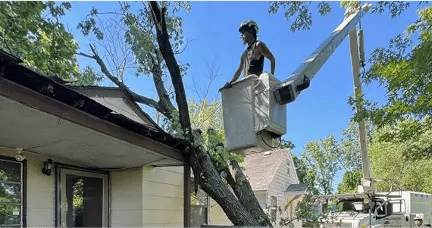
Challengers Tree Service is a certified, Grove City-based tree service specializing in Spotted Lanternfly assessment, infested tree pruning, hazard evaluation, and safe removal for homeowners. Our certified arborists evaluate tree stress, honeydew damage, and branch dieback to determine if the tree can be saved or must be removed. We also install cable braces, perform soil stabilization, and offer annual monitoring to prevent future failure.
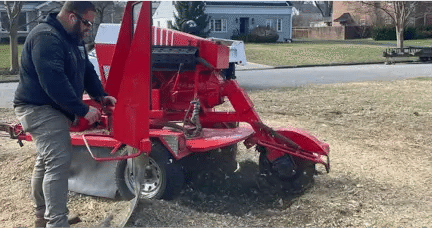
Challengers Tree Service offers wide range of services such as – tree removal, tree trimming & pruning, 24/7 emergency tree service, stump removal/ grinding, shrub removal/trimming, lot & land clearing, and debris hauling & removal across Columbus, Grove City, Hilliard, Dublin, Powell, Westerville, Gahanna, Reynoldsburg, Blacklick, and Orient. Homeowners trust their fast response, local knowledge of Ohio soil and climate, and transparent pricing. Challengers provide free consultations for SLF-infested trees and emergency removal when risk is high.
Frequently Asked Questions About Spotted Lanternfly in Central Ohio
How dangerous is infestation?
Any tree with heavy honeydew, rapid dieback, or thick sooty mold is dangerous, especially if near structures or if infestation is new.
Can an SLF-infested tree be saved?
Yes, if the tree is healthy and infestation is minor. Cabling, pruning, or targeted insecticide can stabilize it.
What causes SLF infestation in Central Ohio?
Human transport of egg masses, natural flight of adults, and tree-of-heaven as a breeding hub are common causes.
Should I remove an infested tree immediately?
If dieback is rapid, honeydew is heavy, or a tree is near a structure, call a pro immediately for assessment.
How do I know if SLF is causing the damage?
Sticky honeydew, black sooty mold, oozing sap, yellowing leaves, and adult SLF indicate SLF infestation.
Can I fix the SLF infestation myself?
No. DIY attempts can worsen stress. Hire a certified arborist for safe diagnosis and treatment.
Summary Checklist: Spotted Lanternfly in Central Ohio
| Situation | Action Required | Call a Pro? |
|---|---|---|
| New Adult Spotted Lanternfly Sightings | Report sightings to local authorities and monitor nearby trees. | Optional |
| Egg Masses on a Valuable Tree | Scrape egg masses into alcohol or hand sanitizer and destroy them. | Yes, recommended |
| Heavy Honeydew and Sooty Mold | Inspect the tree for active spotted lanternfly infestations. | Yes, essential |
| Rapid Branch Dieback | Assess overall tree health and check for pest-related stress. | Yes, urgent |
| Tree Near a House or Driveway | Perform a professional risk assessment to evaluate potential hazards. | Yes, critical |
| Thin Canopy and Yellow Leaves | Inspect for spotted lanternfly feeding damage and other stress factors. | Yes, recommended |
| Large Adult Lanternfly Cluster | Install traps, document activity, and report the infestation. | Yes, recommended |
Final Advice
Managing a Spotted Lanternfly infestation on your Central Ohio property requires rapid, strategic action to protect your home and loved ones from sudden tree failure. To ensure a smooth recovery and efficient property restoration, keep these valuable safety and cleanup steps in mind:
- Act Quickly but Safely: Address heavy honeydew, rapid dieback, or egg masses on prized trees immediately to prevent tree death, as delaying an assessment can dramatically elevate risks and eventual removal costs.
- Insist on a Fully Insured Crew: SLF mitigation involves unpredictable tree stress; never hire a team that cannot provide proof of credentials, and ensure you secure a certified tree service firm in Central Ohio who possesses an in-depth understanding of the local hardwoods, climate, and SLF patterns.
- Look for Guaranteed Pricing: Choose a partner that provides transparent, fixed written estimates based on itemized pricing rather than open-ended hourly rates that can spike unexpectedly during regional weather emergencies.
- Secure Single-Source Solutions: Select a company capable of handling the entire recovery process, from advanced SLF diagnostics and targeted insecticide application to precise hazardous tree removal and comprehensive stump grinding to minimize project timelines and protect your landscape.
- Coordinate Local Logistics: Establish a routine of proactive annual property inspections to catch underlying SLF infestation or crown imbalances early, and never rely on dangerous DIY cutting methods that risk severe personal liability when dealing with structurally compromised timber.
Need Immediate SLF Tree Help? For expert evaluation and safe treatment of SLF-infested trees in Columbus, contact Challengers Tree Service Now to schedule your free consultation.