
The quick answer: homeowners insurance in Columbus usually covers emergency tree removal if a storm-felled tree damages your home or blocks essential access like your driveway. If a tree falls harmlessly in your yard without hitting a structure or blocking access, insurance won’t pay – that bill stays with you.
This guide explains what’s covered under Ohio homeowners insurance, common exclusions, coverage limits, and practical steps to take after storm damage.
Columbus Weather and Tree Damage Risks
Columbus homeowners face real storm threats. On average, Central Ohio sees 35–40 thunderstorm days per year, with winds above 60 mph, microbursts, and occasional tornadoes. Combined with clay-heavy soil that loosens roots and urban construction that weakens trees, it’s no surprise storm-damaged trees are a common insurance claim here.
👉 Why this matters: insurers require proof that a covered peril (like wind, lightning, hail, or ice) caused the tree to fall.
When Insurance Covers Tree Removal
Covered Perils
Standard Ohio homeowners policies (HO-3/HO-5) pay when a tree falls because of:
- Windstorms or tornadoes
- Hail
- Lightning strikes
- Fire or explosion
- Vehicle impact
- Vandalism
What Must Be Damaged or Blocked
Coverage applies if the fallen tree:
- Damages your home, garage, fence, shed, or deck
- Knocks out solar panels or permanent fixtures
- Blocks your driveway or ADA-required ramp
Coverage Limits
- $500–$1,000 per tree is typical
- $1,500–$2,500 per storm event
- Higher limits possible if you purchase endorsements
When Insurance Won’t Pay
- No damage or access blocked: A tree that falls into the yard but doesn’t hit anything = out-of-pocket expense.
- Neglect or disease: If the tree was rotted, infested, or clearly neglected, insurers can deny coverage even if a storm triggered the fall.
- Floods or soil movement: If saturated soil or erosion toppled the tree, this falls under exclusions unless you carry a separate rider.
- Rental or commercial property: Landlords and businesses need special forms; debris removal terms are different.
Neighbor, City, and Utility Trees
- Neighbor’s Tree: In Ohio, each homeowner pays for their own damage unless you can prove negligence (e.g., written warnings about a rotting tree).
- City-Owned Trees: Call Columbus Urban Forestry (614-645-6640). The city may cover costs if you documented prior complaints.
- Utility Contractor Trees: If a power company or contractor drops a tree or limb during work, their liability insurance should cover it.
Filing a Claim in Columbus: 10 Key Steps
- Make sure it’s safe: call 911 if power lines are involved.
- Take photos before moving debris.
- Contact your insurer within 24 hours.
- Request an adjuster inspection.
- Use tarps or boards to prevent more damage.
- Get at least two estimates from licensed, insured tree services.
- Save receipts for hotels, meals, or generators (may be reimbursable).
- Double-check the adjuster’s report.
- Hire a qualified tree service. Local options like Challengers Tree Service ensure safe removal and full insurance compliance.
- Submit final invoices and photos to trigger reimbursement.
Cost Examples in Columbus
| Scenario | Cost to Remove | Insurance Pays | Homeowner Owes |
|---|---|---|---|
| Tree falls in yard, no damage | $750 | $0 | $750 |
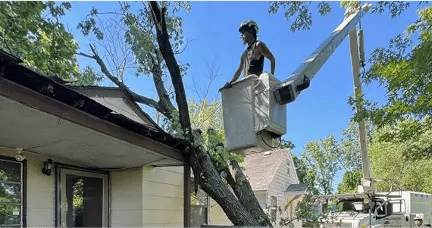
| 70-ft oak on roof, crane required | $3,100 | $1,000 | $2,100 |
| Pine blocks driveway | $1,400 | $1,000 | $400 |
| Multiple trees crush garage | $5,600 | $2,500 | $3,100 |
Assumes a $1,000 deductible.
How to Avoid Claim Denials
Insurance companies in Ohio look closely for reasons to reduce or deny storm-related tree claims. You can tilt the odds in your favor by staying proactive year-round.
1. Schedule Annual Tree Inspections
Hire a certified arborist at least once a year to evaluate your trees and provide a written risk assessment. Keep those records for five years or more. If a claim arises, you can prove the tree was maintained and not neglected. This is especially valuable for older oaks, maples, and ash trees that are prone to disease.
2. Remove Hazard Trees Before Storm Season
Don’t wait until a tree is visibly leaning or decayed. Insurance adjusters often deny claims if there’s evidence of long-term neglect. Removing dead or hazardous trees in advance demonstrates due diligence and prevents adjusters from classifying the loss as “avoidable.”
3. Document Tree Health with Photos
Keep a dated photo log of healthy trees on your property. After a storm, you’ll be able to prove that the tree was alive and maintained before it fell. Use smartphone timestamps or cloud storage to ensure your records are credible.
4. Check Local Permit Requirements
Suburbs around Columbus such as Dublin, Powell, and Worthington regulate removal of heritage or protected trees. Cutting without a permit can not only result in fines but also give insurers grounds to void your claim. Always check with your city or township before removing large or historic trees.
5. Review and Update Policy Endorsements
Most policies limit debris removal coverage to $500–$1,000 per tree. If your property has multiple large trees close to structures, consider adding an endorsement that raises or removes these caps. Updating your coverage now may save thousands later when multiple trunks fall in one storm.
6. Maintain Proper Drainage Around Trees
Poor soil drainage weakens root systems and increases the chance of uprooting during storms. Insurers often argue that saturated soil or erosion falls under the “earth movement” exclusion. Installing French drains or improving grading reduces risk and shows proactive property maintenance.
7. Keep All Communication in Writing
If a neighbor’s tree threatens your property, notify them in writing. If damage later occurs, that documentation could prove negligence on their part and strengthen your insurer’s case for subrogation.
FAQs About Tree Removal Insurance in Columbus, OH
Does insurance cover a tree that just falls in the yard?
No. Unless it damages property or blocks your driveway/ramp, removal is out-of-pocket.
How many trees will insurance cover per storm?
Usually $500–$1,000 per tree, up to $2,500 per event.
What if my tree damages a neighbor’s fence?
Their insurer pays unless they prove you were negligent.
Does insurance cover stump grinding?
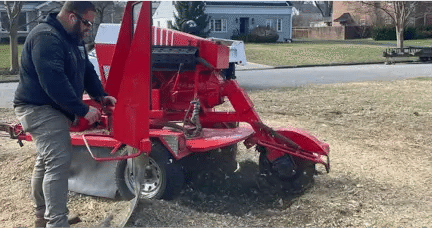
Rarely. Most policies cover only hauling debris, not grinding stumps.
How fast should I file a claim?
Within 24 hours. Delays raise red flags with insurers.
Conclusion
Insurance will cover emergency tree removal in Columbus, OH when a healthy tree, toppled by a covered peril, damages a structure or blocks access. Expect limits of around $500–$1,000 per tree with event caps of $2,500.
You can increase your chances of full reimbursement by:
- Scheduling annual inspections
- Removing hazard trees early
- Documenting everything with photos and receipts
- Using licensed, insured tree services
When storms hit Central Ohio, preparation and documentation make the difference between a covered claim and a costly denial.
Local Resources:
-
- Ohio Department of Insurance – +1 614-644-265
- City of Columbus Urban Forestry
Need Help With Insurance or Emergency Tree Removal?
Dealing with storm damage is stressful enough without worrying about whether your claim will be approved. That’s why it pays to work with a professional tree service that understands both safe tree removal and the insurance process.
At Challengers Tree Service, we help Columbus homeowners:
- Provide clear, written estimates that insurers require
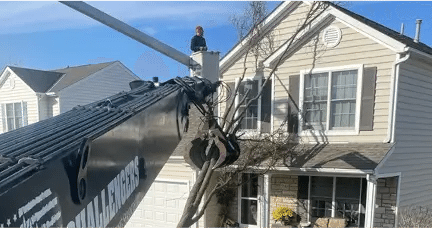
- Remove hazardous trees safely, even with cranes or complex rigging
- Document damage with photos to support your claim
- Navigate local permit rules so coverage isn’t jeopardized
Whether you’re filing a claim or just want a risk assessment before the next Ohio storm, our team is here to protect your property — and give your insurer the documentation they expect.