Key Takeaways
- Inspect before winter: Identify dead, cracked, weak, or poorly attached branches before snow and ice add extra weight.
- Prune with a purpose: Remove hazardous growth rather than unnecessarily reducing the canopy.
- Water before freezing: Give trees adequate moisture during dry fall conditions, particularly recently planted trees.
- Mulch correctly: Apply a 2- to 3-inch layer around the root zone while keeping mulch away from the trunk.
- Protect young trees: Thin-barked and recently planted trees may need protection from sunscald, frost damage, and animals.
- Prepare before storms: Do not wait until ice or heavy snow is forecast to address obvious structural problems.
- Inspect after severe weather: Look for hanging branches, cracks, splits, exposed roots, or changes in tree lean.
- Know when to call a professional: Large trees, storm-damaged limbs, and trees near power lines should be handled by trained professionals.
Central Ohio winters bring a mix of hazards, from sudden cold snaps and ice storms to heavy, wet snow that can put substantial weight on branches already weakened by summer storms, disease, or poor structure. Trees that enter winter healthy and properly prepared generally have a better chance of handling these conditions than trees with existing defects.
Winter damage often develops from weaknesses that were present before the first freeze. Fall is therefore an important time to inspect trees, correct obvious hazards, maintain root-zone moisture, and protect young trees. A few preventive steps before winter weather arrives can reduce avoidable damage across Columbus, Grove City, and surrounding Central Ohio communities.
Why Fall Preparation Matters So Much
A tree’s condition going into winter affects how well it handles cold, ice, snow, and wind. Trees already stressed by drought, disease, pests, or previous storm damage may have less capacity to withstand additional environmental pressure.
The International Society of Arboriculture (ISA) recommends preventive measures such as – appropriate pruning, watering, mulching, and protecting young trees from winter injury. Preparing in fall also gives homeowners more time to identify hazards before frozen ground, severe weather, or limited access makes tree work more difficult.
Inspect for Weak or Dead Branches
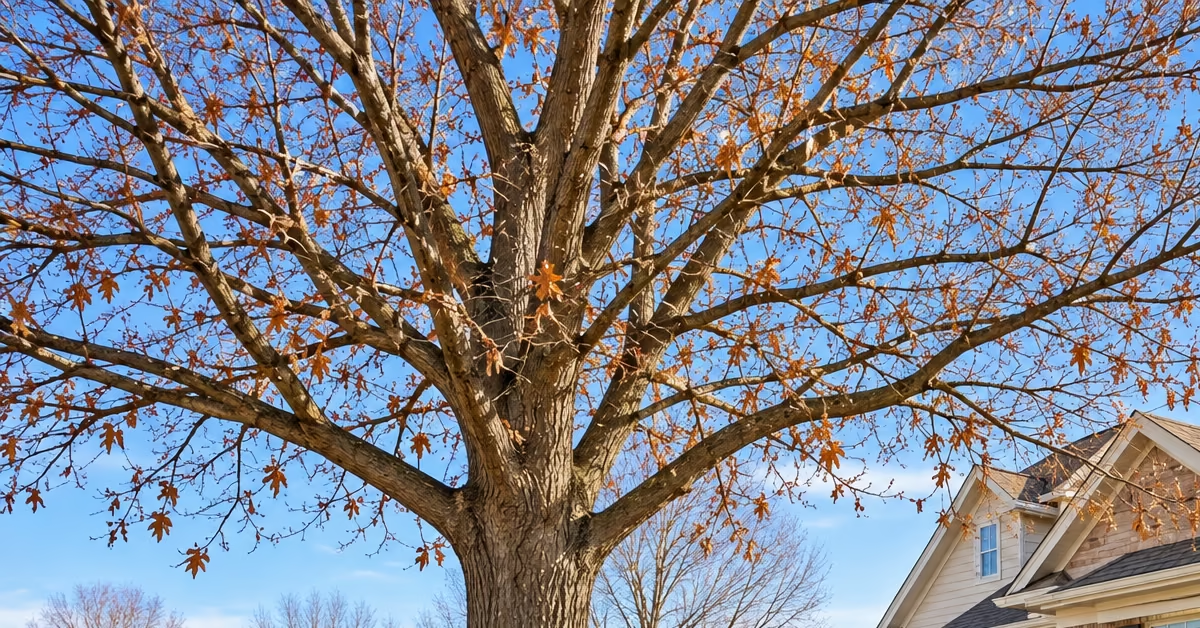
A fall inspection should begin with the canopy.
- Look for dead branches, cracks, broken limbs, weak branch unions, and branches that cross or rub against each other. These defects can become failure points when snow or ice accumulates.
- Pay particular attention to branches extending over homes, garages, driveways, sidewalks, and areas where people regularly gather. Also inspect the trunk and root flare for cavities, decay, unusual swelling, fungal growth, or changes in the surrounding soil.
- The International Society of Arboriculture recommends identifying branch, trunk, and root defects that could weaken a tree before severe weather arrives.
Prune With a Purpose Before Winter
Pruning can remove dead, damaged, diseased, or poorly positioned branches before they become storm hazards. However, winter preparation does not mean removing large amounts of healthy canopy simply to make a tree smaller. Each pruning cut should have a clear purpose. Improper pruning can weaken a tree, while tree topping can create additional structural and decay problems. ISA-guidance recommends pruning based on the tree’s structure, health, and specific maintenance requirements rather than removing branches without a reason.
Late fall and the dormant season can be suitable for many structural pruning tasks, but timing varies by species and disease risk. Oaks and other susceptible trees may require specific pruning considerations, so homeowners should seek professional advice when unsure.
Mulch and Water Before the Ground Freezes
Trees should not enter winter severely dehydrated. This is particularly important for recently planted trees whose root systems have not yet fully established. During a dry fall, provide a deep watering before the ground freezes, allowing moisture to reach the root zone without keeping the soil continuously saturated. Young trees generally require more attention than established trees.
Mulch can also help moderate soil temperatures and reduce moisture loss. Apply approximately 2 to 3 inches of mulch around the root zone, but keep it several inches away from the trunk. Proper mulching helps insulate roots while avoiding prolonged moisture against the bark.
Protect Young and Thin-Barked Trees
Young and thin-barked trees can be more vulnerable to winter injury than established trees. Rapid temperature changes can contribute to sunscald and bark damage, particularly on exposed trunks.
A suitable trunk wrap can provide seasonal protection for vulnerable trees, while guards can help prevent damage from rabbits, deer, and rodents. Protection should not remain in place indefinitely. Remove seasonal wraps and guards when winter conditions have passed to prevent moisture and pest problems from developing around the trunk.
Reduce Weight Before Storms, Not During Them
The safest time to address winter storm risk is before the storm arrives. Deadwood, weak limbs, and defective branch attachments can be evaluated and addressed in advance.’Once heavy ice or snow has accumulated, homeowners should avoid climbing trees or attempting to remove large, ice-covered branches. Even apparently stable limbs can shift suddenly as weight changes. Light snow may sometimes be gently brushed from small, reachable branches when conditions are safe. Ice-covered trees and large limbs should be left to trained professionals.
Watch for Storm Damage Signs After Bad Weather
After a major ice, snow, or wind event, inspect the property from a safe distance. Look for:
- Hanging or broken branches
- Split limbs or cracked trunks
- Newly exposed roots
- A tree that has developed a noticeable lean
- Branches resting on roofs, vehicles, or fences
- Trees or branches touching utility lines
A partially broken limb can remain attached while becoming increasingly unstable. Additional wind or snow may cause it to fail later. Never approach a tree or branch touching a power line. Keep people and pets away and contact the appropriate utility provider or qualified emergency tree service firm in Ohio.
Common Winter Tree-Care Mistakes to Avoid
- Over-pruning: Removing too much healthy canopy can stress a tree.
- Topping: Cutting branches indiscriminately can create weak regrowth and decay problems.
- Volcano mulching: Piling mulch against the trunk can keep bark excessively moist.
- Ignoring young trees: Newly planted trees require closer attention to moisture and winter protection.
- Removing ice yourself: Striking or shaking ice-covered branches can cause unexpected breakage.
- Waiting for the storm: Structural defects are easier and safer to address before severe weather arrives.
How Challengers Tree Service Can Help
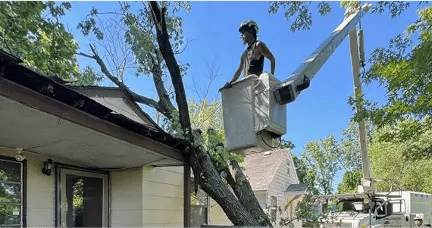
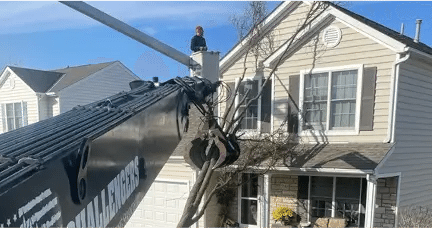
Preparing a property for an Ohio winter is easier when potentially hazardous trees are evaluated before severe weather arrives. Challengers Tree Service can inspect canopy structure, identify weak or damaged branches, and provide professional pruning to address appropriate winter hazards. If winter weather causes a tree or large limb to fail, our 24/7 emergency tree service can help address storm-related hazards.
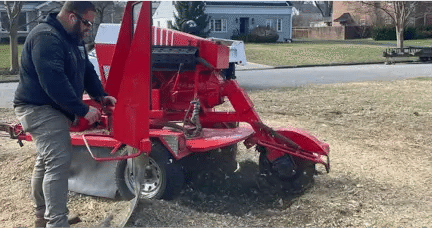
We also provide tree removal, stump grinding, and debris hauling to help restore properties after damaged trees and branches have been safely handled. Professional tree work is especially important when trees are large, structurally compromised, close to buildings, or located near utility lines.
Frequently Asked Questions About Preparing Your Trees for Ohio Winter
When should I prune my trees before winter?
Late fall and the dormant season can be suitable for many pruning jobs, particularly after leaves have dropped. However, pruning timing should account for the tree species, health, and potential disease risks.
Do all trees need to be wrapped for winter?
No. Young and thin-barked trees are more likely to benefit from seasonal trunk protection. Established trees generally do not require routine wrapping.
How can I tell if my tree is at risk during an ice storm?
Dead branches, cracks, weak branch attachments, codominant stems, decay, and significant lean can indicate structural concerns. Trees near homes, driveways, and utility lines deserve particular attention.
Is it safe to remove snow from tree branches myself?
Only light snow on small, reachable branches should be considered for gentle removal when conditions are safe. Do not climb trees or attempt to remove ice and heavy snow from large branches.
What should I do if a tree is damaged after a winter storm?
Stay away from unstable trees and any branches touching power lines. Keep people and pets clear of the area and contact a professional tree service for an assessment and safe removal of hazardous limbs.
Summary Checklist: Winter Tree Preparation in Ohio
| Task | What to Check | Recommended Action |
| Branch inspection | Dead, cracked, or weak limbs | Arrange appropriate pruning |
| Trunk inspection | Cracks, cavities, decay | Seek professional assessment |
| Fall watering | Dry soil | Water deeply before freezing |
| Mulching | Exposed root zone | Apply 2–3 inches of mulch |
| Young-tree protection | Thin or vulnerable bark | Use appropriate seasonal protection |
| Storm inspection | Hanging or broken limbs | Keep clear and call a professional |
| Utility conflicts | Branches near power lines | Stay away and report the hazard |
Final Advice
Preparing trees for an Ohio winter is mainly about addressing problems before ice, snow, and freezing temperatures turn them into emergencies. A fall inspection can identify deadwood, weak attachments, trunk defects, and other hazards that may become more serious during severe weather. Proper pruning, adequate watering, appropriate mulching, and protection for young trees can all support better winter readiness.
Homeowners should also remember that no preparation can eliminate every risk during a major Ohio storm. Trees can still lose branches when exposed to extreme snow, ice, and wind. If a tree has significant structural defects or stands close to a home or utility line, professional evaluation is the safer choice.
For homeowners who need help preparing trees for winter, Challengers Tree Service provides professional tree care across the Columbus area. Our team can help keep your property safer throughout the winter season.