Key Takeaways
- Columbus experiences all four seasons with real intensity, and each one places a different kind of stress on local trees.
- Winter ice storms and heavy snow are leading causes of limb failure for trees with existing structural weaknesses.
- Spring brings a mix of saturated soil, late frosts, and severe thunderstorms that can all affect tree stability.
- Summer heat waves and drought stress weaken trees in ways that often aren’t visible until months later.
- Central Ohio’s clay-heavy soil affects how well tree roots handle both drought and excess moisture.
- A season-by-season approach to inspection and maintenance catches far more problems than a single annual visit.
Ohio weather affects trees in Columbus throughout the year by exposing them to ice, snow, severe storms, heat, drought, and changing soil moisture. Winter ice and snow can break weak limbs, while spring storms and saturated soil can increase the risk of branch failure and uprooting. Summer heat and drought can weaken trees and make them more vulnerable to pests and disease. Fall provides an important window for pruning and preparing trees for winter. Columbus homeowners should adjust tree care to these seasonal risks to maintain tree health and stability.
Winter: Ice, Snow, and Cold Stress
Winter is one of the most physically demanding seasons for Columbus trees.
- Ice storms coat branches in a layer of frozen weight that can snap limbs outright, particularly at weak unions or on trees with included bark.
- Heavy, wet snow adds similar stress, especially to evergreens that retain their needles and catch more accumulation than bare deciduous trees.
- Extended periods of extreme cold can also cause frost cracks, vertical splits in the bark and outer wood caused by rapid temperature changes between day and night, which can become entry points for decay and pests in the growing seasons that follow.
Trees with pre-existing structural issues, like a split trunk or a previously damaged limb, are consistently the first to fail under winter conditions, which is why late-fall inspections matter so much in this climate.
Spring: Storms, Saturated Soil, and Late Frost
Spring in central Ohio is unpredictable. Warm, sunny days can quickly turn into severe thunderstorms with strong winds and occasional tornadoes. Trees with full canopies may face greater wind resistance, increasing the risk of broken limbs. Heavy rain can also saturate Columbus’s clay-heavy soil, which drains slowly and may increase the risk of root rot and uprooting. Late frosts can further damage new growth after trees begin to bud.
Summer: Heat Waves and Drought
Columbus summers bring stretches of high heat and humidity, punctuated by heavy thunderstorms and, in some years, extended dry periods. Drought stress is one of the more deceptive risks to local trees because the damage often isn’t immediately visible.
A tree that experiences a hot, dry July may not show stress immediately. Symptoms can appear later in summer or even the following spring. Drought stress can also make trees more vulnerable to borers and fungal diseases.
The National Weather Service regularly documents heat and rainfall changes across the Ohio Valley. This highlights the importance of watering and monitoring trees during dry periods, even when mature trees appear healthy.
Fall: A Short but Important Window
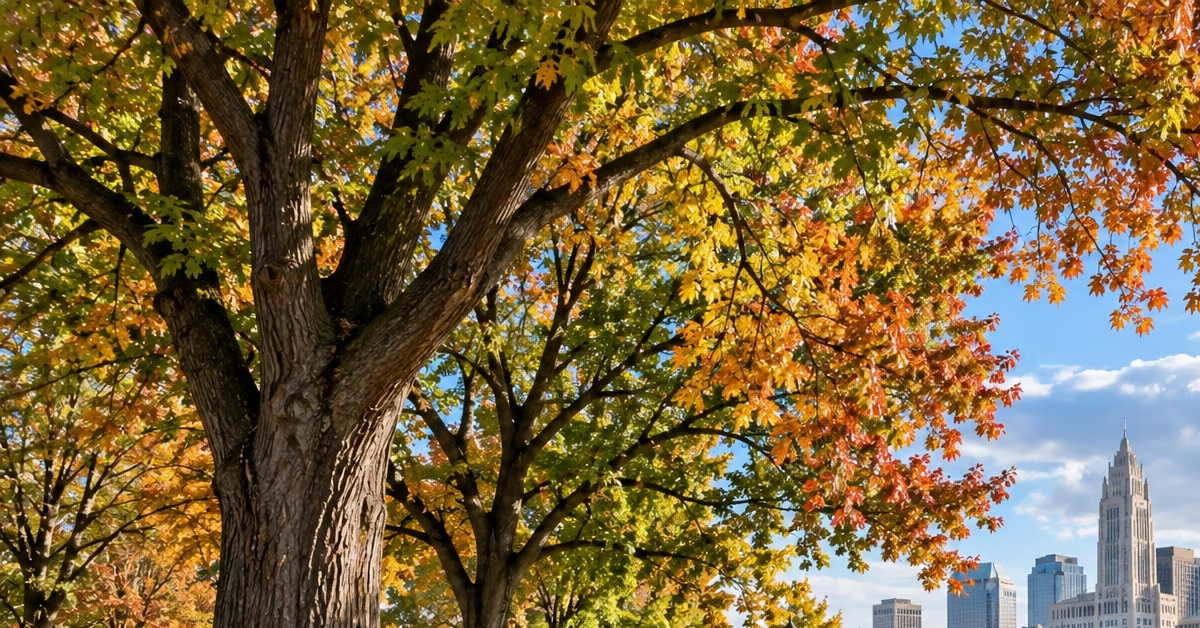
Fall in Columbus offers a relatively brief but valuable window of mild, stable weather that’s ideal for structural pruning and storm-prep work. Removing dead, weak, or crossing limbs before winter reduces the amount of surface area available for ice and snow to accumulate on. This directly lowers the odds of a limb failure during the next winter storm.
Fall is also a good time to check recently planted trees, mulch, and root-zone conditions before winter. It is also a good time to address any storm damage left from summer.
Species That Handle Columbus Weather Well, and Ones That Struggle
Some of the species most common in Columbus yards are naturally well suited to this climate, while others tend to be recurring trouble spots.
- Native oaks, hickories, and tulip poplars generally handle the region’s ice, wind, and temperature swings well once established, thanks to strong wood and deep root systems.
- Silver maples and Bradford pears, both planted widely in past decades for fast growth or ornamental appeal, are far more prone to storm and ice damage. This is due to their naturally weak branch structure.
- Ash trees, already under severe pressure from the emerald ash borer across Ohio. They face a compounding risk when weather stress is added to existing pest damage, accelerating decline in trees that might otherwise have held on longer.
How Central Ohio’s Soil Adds to the Picture
Beyond the seasonal weather itself, Columbus’s predominantly clay-based soil plays a significant role in how trees respond to that weather. Clay soil holds water longer than sandy soil, which can mean root systems sit in saturated conditions after heavy spring or summer rain, increasing root rot risk. The same soil can also become compacted and hard during dry summer stretches, making it harder for roots to access what water is available and intensifying drought stress.
The Ohio State University Extension publishes region-specific soil and tree care guidance that reflects exactly this kind of local variability, which is part of why generic, one-size-fits-all tree advice often falls short for Columbus properties.
Understanding how your particular soil and drainage conditions interact with each season’s weather is a key part of building a tree care plan that actually holds up over time, rather than reacting to problems only after they’ve already occurred.
Urban Heat and Stormwater Runoff in the City
Trees in Columbus’s urban neighbourhoods face added stress compared with trees in rural areas. Pavement and buildings can raise local temperatures during summer heat waves. This can increase drought stress, especially for street trees and trees in smaller residential lots. Stormwater runoff from roofs, driveways, and roads can also affect soil moisture. Some areas may become waterlogged, while others may remain too dry. These conditions can make weather stress more noticeable in densely developed parts of Columbus.
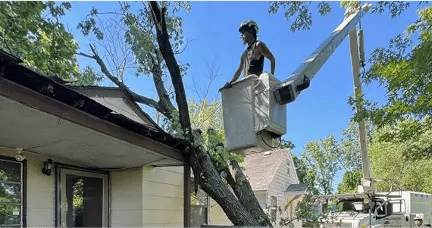
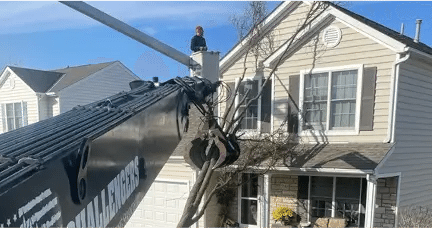
Challengers Tree Service helps Columbus homeowners manage tree risks throughout Ohio’s changing seasons. We provide tree trimming and pruning to remove weak or damaged limbs before winter ice, snow, and spring storms create bigger problems. Our team can also identify trees that may need attention after summer heat, drought, or severe weather. In fall, we can help prepare trees for winter by addressing dead, weak, or hazardous branches.
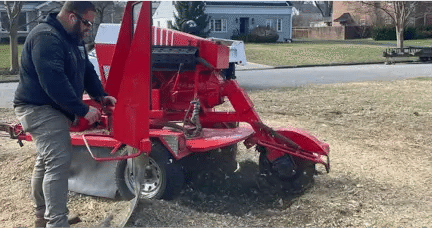
When storms cause fallen trees or dangerous limbs, our 24/7 emergency tree services help homeowners respond quickly. We also provide tree removal and stump grinding when a tree cannot be safely preserved. Based in Grove City, Ohio, we serve Columbus and surrounding communities with year-round tree care.
Frequently Asked Questions About Ohio Weather and Columbus Trees
What season causes the most tree damage in Columbus?
Winter ice storms tend to cause the most sudden, severe limb failure, though spring thunderstorms and summer drought each bring their own significant risks.
Can a drought earlier in the year still affect my tree in the fall?
Yes. Drought stress often weakens a tree’s defenses in ways that don’t show up until months later, sometimes appearing as pest activity or dieback well after the dry spell has ended.
Why does Columbus’s clay soil matter for tree health?
Clay soil drains slowly, which can leave roots saturated after heavy rain and increase root rot risk, while the same soil can compact and limit water access during dry stretches.
Is spring a dangerous time for Columbus trees?
Spring brings a combination of severe thunderstorms, saturated soil, and occasional late frosts, all of which can stress or damage trees in different ways.
When is the best time to prune trees in Columbus?
Fall is generally ideal for structural pruning, since it reduces the surface area available for snow and ice to accumulate on heading into winter.
Do all tree species handle Ohio’s weather the same way?
No. Species vary significantly in their tolerance for cold, ice load, drought, and saturated soil, which is why species-specific guidance matters as much as general seasonal advice.
How often should Columbus homeowners have their trees checked?
A fall inspection ahead of winter, combined with a check after any major storm or extended drought, catches most developing problems before they become emergencies.
Why do ash trees seem to decline faster than other species in Columbus?
Many Columbus ash trees are already weakened by emerald ash borer infestation, so added weather stress from ice, drought, or storms often accelerates decline that was already underway.
Summary Checklist: Columbus Tree Risks by Season
| Season | Primary Risk in Columbus |
| Winter | Ice and snow load on weak limb unions, plus frost cracking |
| Spring | Severe thunderstorms, saturated clay soil, and late frost |
| Summer | Heat waves and drought stress that surface later as decline |
| Fall | Best window for structural pruning ahead of winter |
| Soil conditions | Clay soil affects both drainage and drought resilience |
| Year-round | Existing structural weaknesses worsen with each season’s stress |
Final Advice
Schedule a structural pruning visit each fall to reduce winter ice and snow risk, and don’t assume a tree that looked healthy in spring is still in good shape by late summer. Pay attention after extended dry spells, since drought damage often surfaces months later as pest activity or dieback. Keep an eye on drainage around your trees, particularly if your yard has heavier clay soil that holds water longer after storms. Have any tree with a history of storm damage or visible structural weakness inspected before the next season’s extreme weather arrives, not after.
Challengers Tree Service works with Columbus homeowners year-round to keep trees ready for whatever central Ohio’s weather brings next, from winter ice to summer drought.
Reviewed by a Certified Arborist
This article has been reviewed by a certified arborist to ensure accuracy with central Ohio’s seasonal climate patterns and their effects on tree health and stability.