Key Takeaways
- Choose for the site: Columbus properties have varying soil, drainage, sunlight, and space conditions, so tree selection should match the planting location.
- Consider mature size: A tree that looks small at the nursery can eventually interfere with homes, driveways, sidewalks, or utility lines.
- Northern red oak suits larger yards: This long-lived shade tree tolerates many Central Ohio conditions and provides strong autumn colour.
- Use smaller species strategically: Serviceberry and eastern redbud offer seasonal interest without the footprint of a large shade tree.
- Match trees to soil moisture: Bald cypress can be particularly useful for low-lying or periodically wet areas.
- Plant at the right time: Early fall and early spring generally provide favourable conditions for establishing new trees.
- Plan for aftercare: Deep watering, appropriate mulching, and early structural pruning can help young trees establish a strong foundation.
Columbus, Ohio properties can support a wide range of trees, but choosing the right species requires more than selecting a favourite from a garden centre. Central Ohio experiences cold winters, humid summers, occasional drought, heavy rainfall, and severe weather that can include strong winds and ice. Many properties also have dense, clay-heavy soil that can restrict drainage and root development.
A tree that matches the site from the beginning is more likely to establish successfully and remain manageable as it matures. The five species below offer different advantages for Columbus and surrounding Central Ohio communities, including options for large yards, smaller residential lots, and properties with wetter soil.
Understanding Columbus Growing Conditions
- Columbus is generally within USDA hardiness zone 6a, meaning trees planted here need to tolerate winter temperatures that can fall well below freezing. Summers can bring periods of heat and humidity, while heavy rainfall can leave poorly drained soils saturated.
- Clay soil is another important consideration. Dense soil can hold water for extended periods while becoming hard and compacted when dry. This can make root establishment difficult for newly planted trees.
- Site exposure matters too. Open properties around Columbus and Grove City may experience stronger winds than sheltered urban lots.
These conditions make species selection important. A suitable tree should tolerate the local climate while also matching the property’s sunlight, soil drainage, mature space, and exposure to wind or road salt.
Northern Red Oak (Quercus rubra)
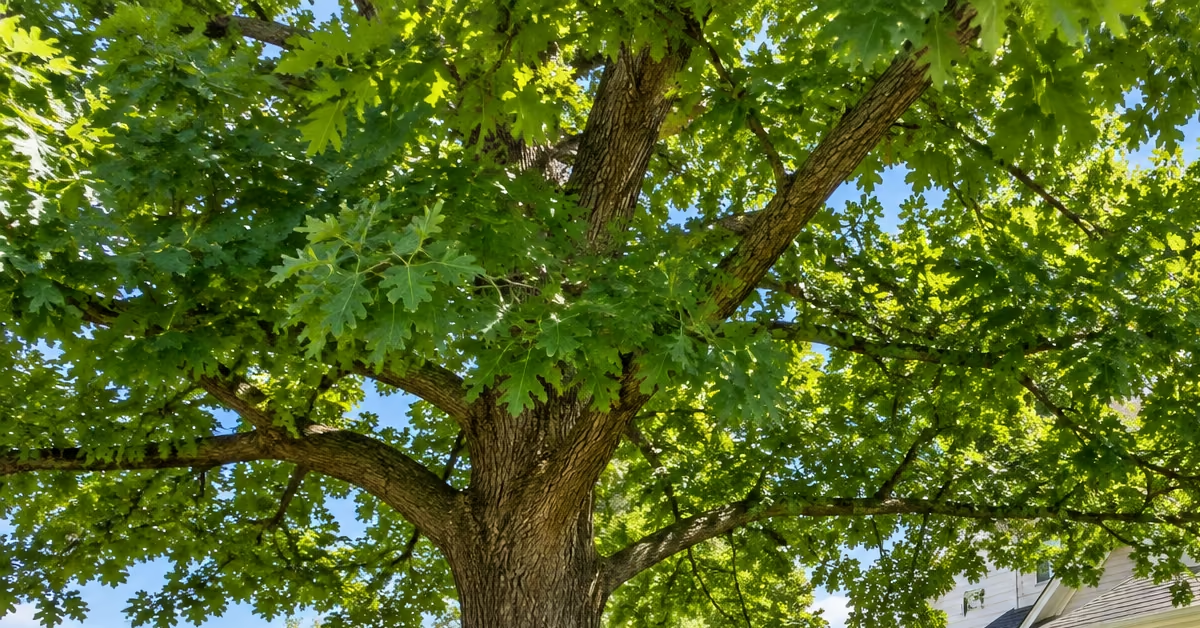
Northern Red Oak is one of the strongest choices for homeowners seeking a large, long-lived shade tree. It generally grows faster than many other oak species and can adapt to a range of Central Ohio conditions when planted in an appropriate location. Its leaves develop attractive red to russet-brown colour in autumn, while its broad canopy can provide substantial summer shade. A mature northern red oak can reach approximately 60 to 75 feet tall and develop a wide spread, so it belongs on properties with plenty of open space. The species can tolerate heavier soils better than some alternatives, although good drainage remains important. Keep it away from overhead utility lines, structures, and confined planting beds. With enough room, northern red oak can become a major landscape tree that provides shade and habitat for decades.
Serviceberry (Amelanchier arborea)
Serviceberry is a practical choice for smaller Columbus yards where a full-sized shade tree would take up too much space. It typically reaches around 15 to 25 feet and offers several seasons of landscape interest.
White flowers appear in spring, followed by berries that attract birds. Its foliage develops orange-red tones in autumn, giving the tree visual appeal well beyond its flowering period.
Serviceberry is native to Ohio and can tolerate different soil conditions, including the heavier soils found across parts of Central Ohio. It performs in full sun to partial shade and can be grown as either a single-trunk tree or a multi-stemmed specimen.
Its manageable size makes it particularly useful near patios, entryways, or smaller suburban lots where homeowners want a tree without the extensive canopy of a mature oak.
Bald Cypress (Taxodium distichum)
Bald Cypress is an excellent candidate for Columbus properties with low areas that remain wet after rainfall. Unlike many landscape trees, it tolerates wet soil and occasional standing water relatively well. Despite being a conifer, bald cypress is deciduous. Its soft, feathery foliage turns rusty brown in autumn before falling, providing seasonal colour rather than year-round evergreen foliage.
The species can also handle Central Ohio’s clay soils and periods of drought after establishment. Its growth habit can remain relatively narrow when young, although homeowners still need to account for its eventual size before planting. A professional assessment can help determine whether a wet section of the yard is suitable for bald cypress or whether drainage problems need to be addressed first.
Eastern Redbud (Cercis canadensis)
Eastern redbud brings an early burst of colour to Columbus landscapes. Pink-purple flowers develop along the branches before or as the leaves emerge in spring, making it one of the most noticeable small ornamental trees after winter.
It generally reaches around 20 to 30 feet tall, making it suitable for smaller yards and locations beneath larger canopy trees. Its heart-shaped leaves and naturally rounded form provide attractive summer foliage after the spring flowers disappear.
Redbud prefers well-drained soil and may appreciate some afternoon shade in hot, exposed locations. It can adapt to clay soil, but planting in an area with reasonable drainage will support better long-term growth. Because of its size and seasonal interest, eastern redbud works well near patios, gardens, walkways, and other areas where a large shade tree would be impractical.
Sugar Maple (Acer saccharum)
Sugar maple is a classic shade tree known for its impressive autumn colour. Its leaves can shift through yellow, orange, and red as temperatures fall, creating a strong seasonal display across Central Ohio landscapes. The species can eventually become a large, long-lived tree, so it requires adequate room for both its canopy and root system. Sugar maple prefers well-drained soil and can be more sensitive to compacted clay than some other species on this list.
It is also relatively sensitive to road salt. Properties directly beside heavily salted roads or sidewalks may therefore present a greater challenge. Where site conditions are favourable, however, sugar maple can provide substantial shade and become a lasting feature of the landscape.
Match Tree Size to Your Property
One of the easiest planting mistakes is choosing a tree according to its nursery size rather than its mature dimensions. A young red oak may look perfectly proportioned beside a house, but decades later its canopy can extend over the roof, driveway, or utility lines.
Before planting, check the expected mature height and canopy spread. Consider nearby buildings, overhead wires, underground utilities, sidewalks, patios, driveways, septic systems, and existing trees.
Large trees need substantial space, while smaller species such as – serviceberry and redbud can work better in confined areas. Planning for mature growth from the beginning reduces future pruning, property conflicts, and removal costs.
When to Plant in Columbus
Early fall and early spring are generally the most favourable planting periods in Central Ohio.
- Early fall gives roots time to establish before winter while avoiding the heat and moisture stress of midsummer.
- Early spring, after the ground thaws and before summer temperatures rise, provides another suitable opportunity.
- Summer planting is possible, but newly planted trees require more careful watering during hot, dry conditions.
- Avoid treating summer irrigation as optional simply because the tree was planted recently; establishment depends heavily on consistent soil moisture.
Preparing Central Ohio’s Clay Soil
Planting technique matters when working with dense clay. The hole should generally be wider than the root ball rather than unnecessarily deep. A wider planting area allows new roots to expand into loosened soil.
- Avoid creating a small pocket filled entirely with heavily amended soil. A sharp difference between amended soil and surrounding native clay can restrict root movement and create drainage problems.
- Backfill with appropriate native soil and ensure the root flare remains at or slightly above the surrounding grade.
- Do not bury the trunk base beneath soil or mulch. Correct planting depth is one of the simplest ways to improve a new tree’s chances of establishing successfully.
Caring for a Newly Planted Tree
The first 2 to 3 years are especially important. Newly planted trees need enough water to keep the root ball and surrounding soil adequately moist while they develop new roots.
- Water deeply rather than relying on frequent, shallow applications. During dry periods, check the soil rather than following a rigid schedule. Heavy clay can retain water longer than expected, so overwatering can be just as damaging as drought.
- Apply approximately 2 to 3 inches of mulch over the root zone. Keep mulch several inches away from the trunk and spread it outward rather than creating a deep mound around the base.
- Staking may help larger nursery trees or specimens planted in exposed locations, but support should not remain indefinitely. Remove stakes and ties once the tree can stand independently, generally within the first year.
A Seasonal Tree-Care Routine
A simple seasonal approach can help Columbus homeowners stay ahead of common problems.
- Late winter and early spring: Inspect structure and consider selective pruning before full leaf development.
- Spring: Monitor new growth, soil moisture, and signs of pests or disease.
- Summer: Watch for drought stress, especially during extended hot and dry periods.
- Fall: Refresh mulch, inspect the canopy, and provide appropriate watering before the ground freezes.
- Winter: Check trees after ice, snow, and strong wind events for broken or hanging branches.
Watching for Pests, Disease and Storm Damage
Central Ohio trees can experience insect, disease, and weather-related problems. Warning signs include – premature leaf loss, unusual leaf discoloration, dead branches, bark abnormalities, fungal growth, cracks, or sections of canopy that decline faster than the rest of the tree.
Young trees can often recover from minor stress when the underlying cause is addressed early. However, significant dieback or structural damage deserves professional evaluation. After severe thunderstorms or ice events, homeowners should also inspect trees for hanging branches, split limbs, exposed roots, or sudden changes in lean. A damaged tree can remain hazardous even when the majority of its canopy still appears healthy.
When Tree Removal Becomes Necessary
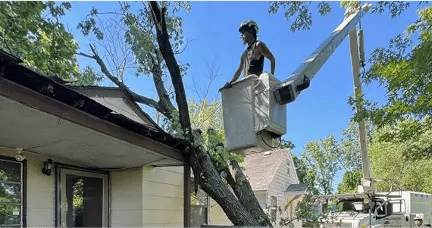
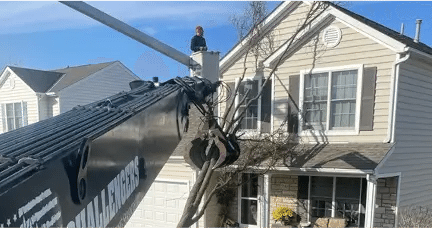
Planting a new tree is an investment, but responsible tree care also means recognising when an existing tree has become unsafe. Extensive decay, major structural defects, severe storm damage, significant root failure, or substantial canopy dieback can indicate that removal is safer than continued preservation.
Large trees close to houses, roads, driveways, and neighbouring properties deserve particular attention because a failed limb or trunk can cause considerable damage. A professional tree service firm in Columbus, OH can perform tree-risk assessment to determine whether pruning, support, monitoring, or removal is the most appropriate response.
How Challengers Tree Service Can Help
Challengers Tree Service can help Columbus-area homeowners make informed decisions about tree selection and long-term care. Our team can evaluate available planting space, sunlight, soil conditions, drainage, and existing landscape constraints when helping homeowners choose a suitable tree.
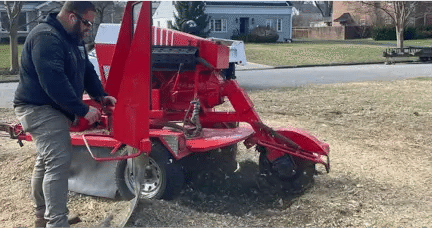
We can also provide structural pruning as young trees develop, helping establish healthier branch spacing before defects become more difficult to correct. When an existing tree has outgrown its location, suffered serious storm damage, or declined beyond safe preservation, our services can include – tree removal, stump grinding, and debris hauling.
Frequently Asked Questions About Planting Trees in Columbus, OH
What is the best fast-growing shade tree for Columbus?
Northern red oak is a strong choice for a large shade tree because it grows relatively quickly for an oak, develops a broad canopy, and can tolerate many Central Ohio site conditions.
What trees handle Columbus’s clay soil best?
Northern red oak, serviceberry, and bald cypress can all perform in heavier soils when the planting site and drainage are suitable. No species should be planted without considering the property’s specific conditions.
When is the best time to plant a tree in Ohio?
Early fall and early spring are generally the preferred planting windows. These seasons allow roots to establish without the intense heat and moisture demands associated with midsummer.
What tree is best for a wet area of my yard?
Bald cypress is particularly well suited to low-lying areas and locations that experience poor drainage or occasional standing water. The site’s available space and long-term drainage should still be assessed before planting.
How far should a large shade tree be planted from my house?
The appropriate distance depends on the species and its expected mature size. Large shade trees generally need significantly more space than ornamental trees, so homeowners should consider mature canopy spread rather than the tree’s current nursery size.
Summary Checklist: Choosing and Planting Trees in Columbus, Ohio
| Care Task | What to Check | Action |
| Fall watering | Dry soil | Water deeply before freezing |
| Mulching | Thin mulch or exposed roots | Apply 2–4 inches of organic mulch |
| Trunk protection | Thin bark or exposure | Install seasonal wrap or guard |
| Wildlife protection | Gnawing or browsing | Use hardware cloth or trunk guards |
| Wind protection | Open location | Consider a burlap windbreak |
| Salt protection | Road or driveway exposure | Reduce salt spray and runoff |
| Staking | Leaning or excessive movement | Inspect ties and remove when unnecessary |
| Storm inspection | Broken limbs or shifted protection | Check after major events |
Final Advice
Choosing a tree for a Columbus property should start with the site, not simply the appearance of the tree at the nursery. Consider mature size, soil conditions, drainage, sunlight, utility lines, and the amount of space available before planting. Northern red oak, serviceberry, bald cypress, eastern redbud, and sugar maple each offer different advantages for Central Ohio landscapes. Proper planting, deep watering, mulch, and early structural pruning can give a new tree a much stronger start.
For homeowners seeking help with tree selection, planting, pruning, or removal, Challengers Tree Service provides professional tree care for properties throughout the Columbus area. Our team evaluates existing site conditions and recommends practical solutions suited to each tree and property. From routine pruning and tree maintenance to safe tree removal and stump grinding, we provide reliable services to help homeowners maintain healthy, safe, and well-managed landscapes. Challengers Tree Service can help keep your landscape safe, healthy, and well maintained.