Key Takeaways
- Storms get the most attention, but many of the trees that fail during a storm were already weakened by slower, less visible threats months or years earlier.
- Everyday activities like mowing, construction, and even overwatering can cause real structural damage to trees without homeowners realizing it.
- Soil compaction and root damage are especially common around Columbus homes, where construction, driveways, and foot traffic put pressure on root zones.
- Many overlooked threats are preventable once a homeowner knows what to look for and adjusts a few habits.
- A professional assessment can catch damage from these slower threats well before it turns into a structural failure.
When people think about what threatens a tree, storms usually come to mind first, high winds, ice, heavy snow. Those are real risks, but they’re also the ones homeowners already watch for. The threats that do the most long-term damage are often quieter:
- a lawn mower nicking bark week after week
- roots slowly compacted by driveway traffic
- a tree planted too close to a foundation years ago
These threats rarely cause a dramatic, single moment of failure. Instead, they weaken a tree gradually until a storm that should have been survivable turns into a serious problem.
Most Overlooked Threats to Trees in Columbus, Ohio
Here’s a look at the overlooked threats that show up most often around homes throughout the Columbus area.
Lawn Equipment: Small Wounds, Big Consequences
Few homeowners think of a lawn mower or string trimmer as a threat to a mature tree, but repeated contact with the trunk base is one of the most common sources of preventable tree damage. Each nick from a mower deck or trimmer line breaks through the bark, the tree’s protective outer layer, and exposes the living tissue underneath to decay organisms and pests.
A single scrape might not matter much. But the same spot getting hit week after week, mowing season after mowing season, prevents the wound from ever fully closing. Over time, this creates a ring of damaged tissue around the base that can restrict the flow of water and nutrients between the roots and the canopy, weakening the tree from the ground up. The fix is simple: maintain a mulch ring or bare-soil buffer a few feet out from the trunk so mowers and trimmers never need to get close to the bark in the first place.
Soil Compaction: The Threat You Can’t See
Tree roots need oxygen, and they get it from air pockets in healthy soil. When soil becomes compacted, from repeated foot traffic, parked vehicles, construction equipment, or even heavy equipment used during landscaping projects, those air pockets collapse. Roots in compacted soil struggle to take up water and nutrients efficiently, and over time the tree’s overall vigor declines.
This is a particularly common issue in established Columbus neighborhoods, where driveways get widened, patios get added, and construction projects bring heavy equipment across a yard that used to be open lawn. The tree above ground might show no obvious signs of stress for a year or more, even as its root system is quietly losing function below. By the time canopy dieback becomes visible, the compaction has often been an issue for a long time.
Construction Damage: Root Injury Homeowners Don’t See
Home renovation, additions, driveway replacement, and utility work all involve digging, trenching, or grading, any of which can sever a portion of a tree’s root system without anyone realizing how much damage was done. Trees rely on a wide, shallow network of roots, often extending well beyond the edge of the canopy, and a trench dug for a utility line or a footer poured for an addition can cut through a meaningful percentage of that network in a single afternoon.
The tree often doesn’t show the consequences right away. It may take one or two full growing seasons for a construction-damaged tree to visibly decline, which makes it easy to miss the connection between a landscaping project and a tree problem that shows up a year later. Anyone planning construction or major landscaping work near mature trees should have a professional assess the likely root zone beforehand, since protecting roots during the project is far easier than trying to help a tree recover afterward.
Girdling Roots: A Slow Strangulation
Girdling roots occur when a root grows in a circular pattern around the base of the trunk instead of outward, gradually constricting the trunk as both the root and the tree continue to grow. This is common in trees that were container-grown before planting, if the roots were already circling inside the pot and were never corrected at planting time, and it also happens naturally in some species over the years.
A girdling root slowly restricts the movement of water and nutrients at exactly the point where the trunk meets the roots, which weakens the tree’s structural connection to the ground over time. Because the constriction happens gradually and often at or just below the soil line, it’s easy to miss without someone specifically looking for it. Left unaddressed, girdling roots can eventually contribute to trunk failure even in an otherwise healthy-looking tree.
Improper Mulching: When Good Intentions Cause Harm
Mulch is genuinely beneficial for trees when applied correctly, but “mulch volcanoes,” mulch piled high and directly against the trunk, are one of the most common and most overlooked sources of tree stress around homes. Bark that stays constantly damp against a mulch pile is far more prone to decay, and the excess moisture can encourage roots to grow up into the mulch layer instead of down into the soil, creating a shallower, less stable root system over time.
The fix is straightforward: mulch should form a flat ring, 2 to 3 inches deep, that starts a few inches away from the trunk rather than touching it.
Overwatering and Poor Drainage
Ohio’s clay-heavy soil in many parts of the Columbus area doesn’t drain especially well, and overwatering, whether from irrigation systems, downspouts directed toward a root zone, or simply low-lying yard grading, can leave roots sitting in saturated soil for extended periods. Roots need oxygen as much as they need water, and prolonged saturation effectively suffocates them, leading to root rot and a general decline in tree health that often gets mistaken for a pest or disease problem.
Salt and De-Icing Damage
Winter salt use, on driveways, sidewalks, and roads, is a genuine but often overlooked threat to trees planted nearby, particularly evergreens. Salt runoff and salt spray from passing vehicles can damage roots and foliage, showing up the following spring or summer as browning needles or stunted growth in trees that seemed perfectly healthy the previous fall. Trees planted close to heavily salted driveways or busy roads are worth watching for this kind of delayed damage each spring.
Why These Threats Are Easy to Miss
What connects all of these threats is timing. A storm damaged a tree today, and the damage is obvious today. Compaction, girdling roots, construction injury, and salt exposure all cause damage that shows up much later, sometimes a full year or more after the actual cause. That delay is exactly why these threats get overlooked: by the time a homeowner notices canopy thinning or unusual dieback, the original cause is easy to forget or never connect in the first place.
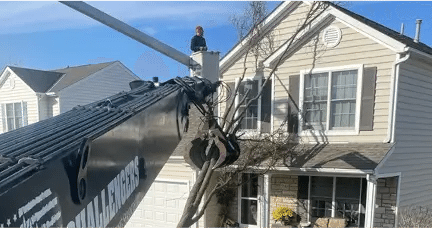
Whether you’re planning a landscaping project near mature trees, dealing with a tree that’s been declining for no obvious reason, or simply want a second set of eyes before construction begins, Challengers Tree Service’s crew can walk the property and flag issues most homeowners wouldn’t think to look for. We are licensed, insured, and bonded, and bring our own equipment, including an owned crane, so hazardous or hard-to-reach situations don’t require outside subcontractors or added delays.
Frequently Asked Questions About Overlooked Tree Threats in Columbus, Ohio
Can a tree recover from root damage caused by construction?
It depends on how much of the root system was affected. Trees that lost a smaller percentage of their roots often recover with proper care and time, while trees that lost a large portion may decline permanently and eventually need removal.
How do I know if my tree has girdling roots?
Signs include a trunk that appears to go straight into the ground without the natural flare most trees have at the base, or visible roots wrapping around the trunk near the soil line. A professional can confirm this with a closer inspection, sometimes involving carefully exposing the root flare.
Is it too late to fix a mulch volcano around my tree?
No. Pulling excess mulch away from the trunk and reshaping it into a proper flat ring can stop further damage, though any decay that’s already set into the bark won’t reverse on its own.
How much salt exposure is harmful to trees near my driveway?
Even moderate, repeated exposure over several winters can add up, particularly for salt-sensitive species like many evergreens. Trees planted farther from heavily treated surfaces, or shielded by burlap wrapping in winter, tend to fare better.
Should I have a tree assessed before starting a landscaping or construction project?
Yes, especially if the project involves digging, grading, or heavy equipment anywhere near a mature tree’s root zone. A pre-project assessment can identify how to protect the tree and avoid damage that might not show up until a year or more later.
Summary Checklist: Overlooked Tree Threats and Fixes
| Threat | Why It’s Missed | Recommended Fix |
| Lawn Equipment Damage | Wounds seem minor individually | Maintain a mulch or bare-soil buffer around the trunk |
| Soil Compaction | No visible symptoms at first | Limit traffic and equipment near root zones |
| Construction Root Injury | Decline shows up a year or more later | Assess root zones before digging or grading |
| Girdling Roots | Hidden at or below the soil line | Have the root flare inspected periodically |
| Improper Mulching | Looks tidy but causes hidden harm | Keep mulch a few inches from the trunk |
| Salt and De-Icing Exposure | Damage is delayed until spring | Reduce salt use near root zones and shield evergreens |
Final Advice
The trees most likely to fail during a major storm are often the ones that were already weakened long before the weather event arrived. Everyday issues like lawn equipment damage, construction activity, improper mulching, and drainage problems can slowly affect a tree’s health and structural strength. Regularly monitoring your trees and addressing small issues early is one of the most effective ways to prevent bigger problems later.
Protecting roots, avoiding trunk damage, and maintaining proper growing conditions can help trees remain strong through changing seasons and severe weather. If you notice signs of decline, cracks, leaning, or unusual growth, having an experienced tree care professional evaluate the situation can help protect your property and preserve your trees for years to come.