Key Takeaways
- Ohio’s four-season climate means trees face different stresses in spring, summer, fall, and winter, and maintenance should shift accordingly.
- Most serious tree failures trace back to problems that were visible months or years earlier but never addressed.
- A consistent, seasonal approach catches small issues- cracked limbs, early decay, drainage problems- before they become expensive or dangerous.
- Not every task on a maintenance checklist requires a professional, but structural pruning, risk assessment, and removal decisions generally do.
- A well-maintained tree is a long-term asset to a Columbus property; a neglected one is a long-term liability.
Trees add real value to a Columbus, OH property: shade in the summer, curb appeal year-round, windbreaks in winter. Still, that value depends entirely on the tree being healthy and structurally sound. Central Ohio’s climate puts a specific set of demands on trees throughout the year: heavy spring rain, humid summers, sudden fall storms, and winter ice loads. A maintenance approach built around that seasonal rhythm catches problems early, when they’re inexpensive to fix, rather than late, when they have become safety hazards.
This checklist is organized by season, since that’s how a tree actually experiences a Columbus year, and closes with the year-round habits worth keeping regardless of the calendar.
Late Winter and Early Spring: Assessment and Structural Pruning
Late winter, while trees are still dormant and before new leaf-out, is one of the best windows for structural pruning in Ohio. With no leaves in the way, it’s far easier to see a tree’s branch architecture clearly, which makes this the ideal time to identify crossing branches, weak unions, and dead wood that survived the winter.
What to check:
- Dead or broken limbs left over from winter ice or wind
- Branches crossing or rubbing against each other, a common precursor to bark damage and decay
- Any new lean in the trunk that wasn’t present in the fall
- Soil heaving or cracking around the base, which can indicate root movement
- Early signs of pest activity, such as small holes or sawdust-like frass near the trunk base
This is also the point in the year to schedule structural pruning with a professional crew, since dormant-season cuts heal faster once spring growth begins and reduce the risk of attracting pests that are drawn to fresh wounds during the growing season.
Spring: Growth Monitoring and Storm Prep
As trees leaf out, spring is the season to watch how the canopy is filling in and to prepare for the wind and thunderstorm season that typically ramps up through late spring into early summer in Central Ohio.
What to check:
- Uneven leaf-out, which can point to root stress, disease, or damage from the previous season
- New sprouts growing from the base or lower trunk, sometimes a sign the tree is stressed and compensating
- Mulch rings around tree bases, refreshed to 2 to 3 inches deep but kept away from direct contact with the trunk
- Drainage around the root zone, especially after Ohio’s often-heavy spring rains, since standing water can suffocate roots over time
- Young or newly planted trees, which may need staking review or protective guards against lawn equipment damage
Spring is also a good time to have any trees flagged the previous fall or winter formally assessed, since a professional evaluation before storm season gives homeowners time to act on hazardous trees before high winds put them to the test.
Summer: Canopy Health and Heat Stress
Ohio summers bring heat, humidity, and the occasional severe thunderstorm, all of which put different pressure on trees than the cooler months.
What to check:
- Wilting or scorched-looking leaves, particularly during dry stretches, which can indicate the tree isn’t getting enough water
- Discoloration or unusual leaf drop mid-season, which can signal disease or pest pressure
- Visible insect activity, including webbing, chewed foliage, or boring holes
- Watering needs for younger trees, especially in a dry summer, since established trees generally handle heat stress better than recently planted ones
- Storm damage after any significant summer thunderstorm, checking specifically for hanging limbs or cracked branches that may not fail immediately but remain hazardous
Summer is generally not the best time for heavy structural pruning, since active growth means wounds attract pests and disease more readily, but light corrective trimming and hazard removal can still happen as needed.
Fall: Preparing for Winter Loads
Fall is arguably the most important season for hazard prevention in Ohio, since it’s the last real opportunity to address problems before ice and snow start adding weight to branches.
What to check:
- Dead or weak limbs that should come down before they’re loaded with ice or snow
- Leaning trees or trees with visibly declining root plates, since saturated fall soil combined with wind can be enough to bring a compromised tree down
- Leaf and debris cleanup around the base of trees, reducing habitat for pests that overwinter near the trunk
- Gutters and rooflines, cleared of overhanging branches that could scrape or drop debris during winter storms
- Final mulching before the ground freezes, which helps insulate roots through the colder months
This is also the season when many homeowners schedule tree removal for trees that are clearly declining, since removing a hazardous tree before winter avoids the added risk of ice-loaded limbs failing during a storm.
Winter: Monitoring and Emergency Readiness
Ohio winters bring ice storms and heavy wet snow, both of which add significant weight to branches and can turn a marginal tree into a genuine hazard almost overnight.
What to check:
- Ice or snow accumulation on branches, particularly over driveways, walkways, and rooflines
- Cracking sounds or visible splitting during or after a storm, which should be treated as an immediate hazard
- Trees near power lines, since ice-loaded branches are a leading cause of winter power outages in Central Ohio
- Any tree that shifted or leaned further during a storm, which should be assessed as soon as it’s safe to do so
Winter is also when true emergencies are most common, a limb down across a driveway, a leaning tree after an ice storm, and it’s worth knowing ahead of time which local company to call rather than searching for one in the middle of a storm.
Year-Round Habits Worth Keeping
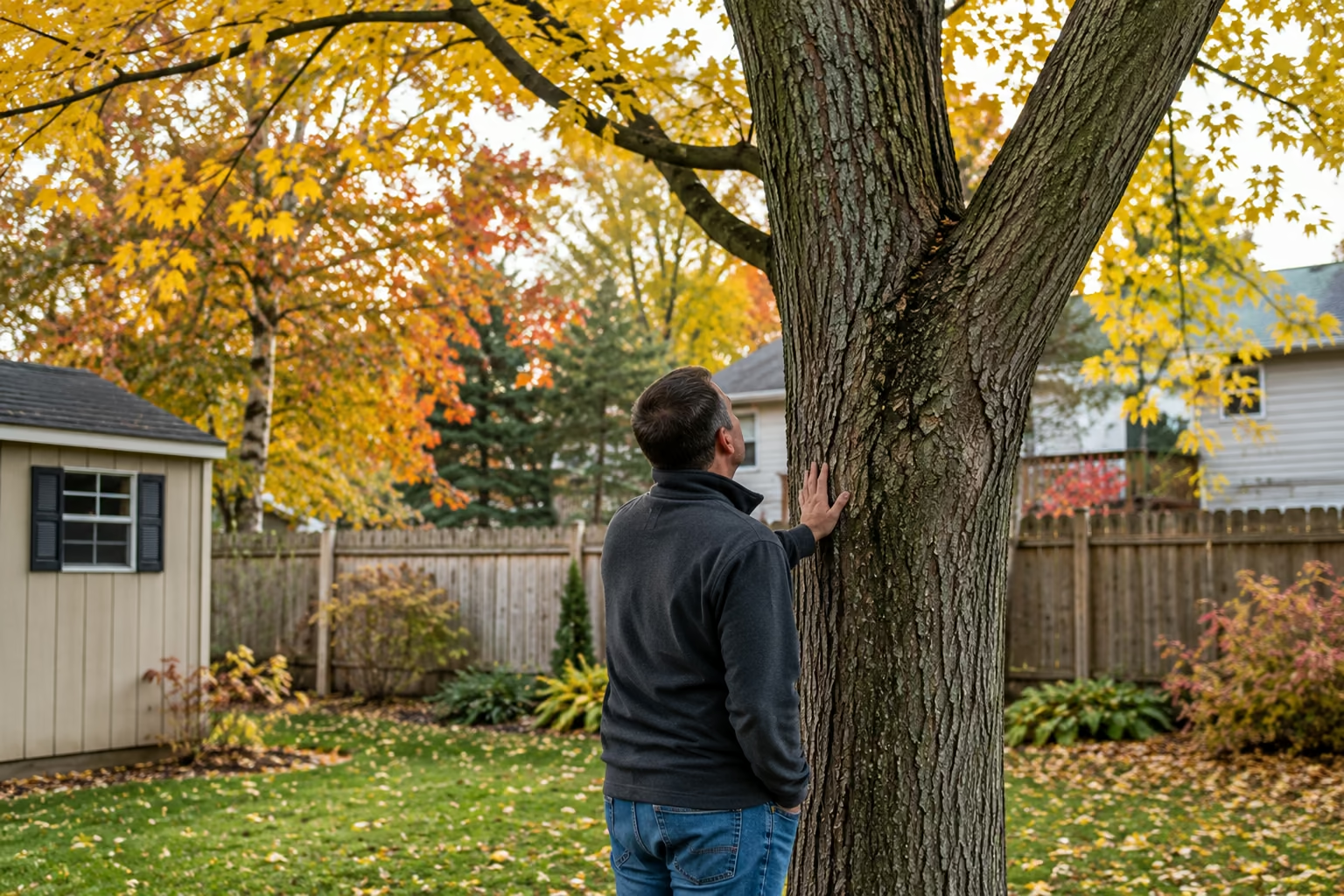
A few practices apply regardless of season and are worth building into a regular routine: walk the property every few months and look up, not just around, since canopy problems are often missed from ground level; keep a rough record of when major pruning or removal work was last done on each tree; and treat any sudden change, a new lean, a burst of unusual growth, unexplained leaf drop, as worth a second look rather than something to monitor indefinitely.
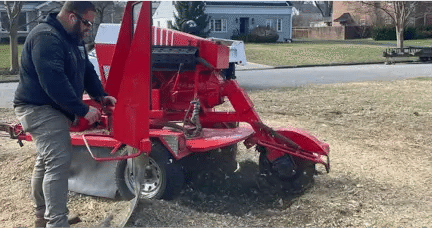
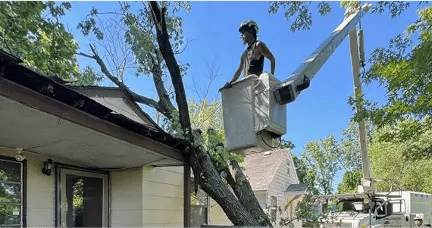
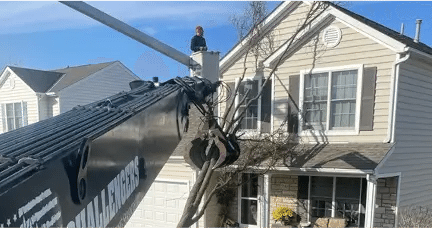
Challengers Tree Service has helped homeowners in tree maintenance to protect their property year-round. Our crew handles everything from dormant-season structural pruning to emergency storm cleanup, and because we own our own crane, we can often take on jobs near homes and power lines that other companies have to subcontract out. Routine work is typically scheduled a few weeks in advance, but true emergencies are handled right away, any time, day or night.
Challengers Tree Service serves homeowners across Columbus, Hilliard, Dublin, Powell, Westerville, Gahanna, Reynoldsburg, Blacklick, Orient, and Worthington, We offer free estimates for both routine maintenance and hazard assessments, so there’s no cost to finding out whether a tree needs attention now or can wait until the next seasonal window.
Frequently Asked Questions About Tree Maintenance in Columbus, Ohio
How often should a mature tree be professionally inspected?
Most healthy, mature trees benefit from a professional look every one to two years, with more frequent checks for trees near homes, driveways, or power lines, or any tree that’s shown signs of stress or damage in the past.
What’s the best time of year to prune trees in Ohio?
Late winter, while trees are still dormant, is generally best for structural pruning, since it’s easier to see branch architecture and cuts heal faster once spring growth begins.
Do I need to water established trees during a Columbus summer?
Established trees with mature root systems typically handle normal summer conditions well, but extended dry stretches can still stress them, especially younger or recently planted trees, which benefit from supplemental watering.
How do I know if a tree needs to come down before winter?
Significant lean, extensive dead wood, visible root plate movement, or large sections of decayed trunk are all reasons to remove a tree before winter rather than risk it failing under an ice or snow load.
What should I do immediately after a storm damages a tree on my property?
Stay clear of the tree and anything it’s resting against, especially power lines, and contact a professional to assess whether it’s stable enough to wait for a scheduled visit or needs emergency attention.
Summary Checklist: Seasonal Tree Care in Columbus
| Season | Priority Focus | Key Actions |
| Late Winter | Structural assessment | Dormant-season pruning, dead wood removal |
| Spring | Growth monitoring | Check leaf-out, drainage, storm prep |
| Summer | Heat and pest stress | Watch for wilting, pests, storm damage |
| Fall | Winter preparation | Remove weak limbs, clear rooflines, mulch |
| Winter | Emergency readiness | Monitor ice/snow load, watch power lines |
Final Advice
Regular tree maintenance is one of the easiest ways to protect your Columbus property and avoid costly problems later. Small issues like dead limbs, poor structure, or early signs of decline are much easier to address before they become safety hazards.
A seasonal checklist helps homeowners stay proactive, but some situations require professional evaluation. If a tree has significant damage, decay, leaning, or branches near structures or power lines, it is best to have it inspected by an experienced tree care professional.
Healthy trees add beauty, shade, and value to your property. Keeping them properly maintained throughout the year helps ensure they remain safe and strong for years to come.