
Storms in Columbus can arrive suddenly, bringing heavy rain, lightning, strong winds, or even ice. When the storm clears, homeowners often face a new challenge: fallen or storm-damaged trees. A large branch blocking a driveway, an uprooted trunk lying across the lawn, or a tree leaning dangerously toward a home are not just inconveniences. They are safety hazards that require immediate and careful action.
Knowing how to respond when a tree falls can protect your family, reduce property damage, and save you from costly mistakes. This guide explains what to do when you face storm damage, why professional help is essential, and how local experts like Challengers Tree Service provide safe and reliable solutions for Columbus homeowners.
How Storms Damage Trees (And What to Look For)
Storm damage to trees happens when high winds, lightning, or heavy snow and ice weaken or break parts of a tree. Damage may appear obvious, like a trunk snapped in half, or subtle, such as branches with hidden cracks. Common types include:
- Fallen limbs: Heavy branches that break and land on lawns, cars, or roofs.
- Uprooted trees: Strong winds can pull shallow-rooted trees out of the ground.
- Split trunks: A storm can cause the trunk to split vertically, creating a structural hazard.
- Leaning trees: Soil saturation combined with wind can cause trees to lean dangerously.
- Secondary hazards: Broken branches entangle in power lines or blocking access roads.
These issues not only damage property but also threaten personal safety if not handled correctly.
How to Handle a Fallen Tree Safely
If a storm has brought down a tree on your property in Columbus, follow these steps before doing anything else:
- Check for power lines. If the tree or branches are near or touching electrical wires, do not approach. Call 911 and your utility company immediately.
- Keep your distance. Trees under tension may shift or roll unexpectedly. Stay at least 20 feet away until professionals arrive.
- Assess damage visually. Walk around the tree from a safe distance to see whether it has fallen on a home, vehicle, or utility structure.
- Document with photos. Take clear pictures of the damage for insurance purposes before cleanup begins.
- Do not attempt DIY removal of large trees. Chainsaw work on unstable trees is dangerous and best left to professionals.
- Contact a licensed tree service. Contact Challengers Tree Service to safely handle emergency removal with proper equipment.
Common Mistakes Homeowners Make After Storm Damage
Storm damage is stressful, and in a rush to restore normalcy, many homeowners make errors such as:
- Attempting DIY chainsaw work: Without training, this can result in serious injury.
- Hiring door-to-door contractors: Unlicensed workers often appear after storms, but they may lack insurance and leave jobs unfinished.
- Ignoring partially damaged trees: Cracks or leaning trees may seem stable but can collapse days later.
- Failing to report to insurance first: Skipping documentation may reduce claim eligibility.
Avoiding these mistakes ensures both safety and financial protection.
Expert Tips for Managing Fallen Trees in Columbus
Local tree professionals recommend several best practices:
- Keep emergency numbers handy. Save contacts for the utility company, city services, and your trusted tree service provider.
- Act quickly but safely. The sooner fallen trees are removed, the less chance of further property damage.
- Schedule inspections after storms. Even if no trees fell, hidden cracks or stressed branches may pose future risks.
- Invest in preventive care. Regular pruning and hazard assessments help trees withstand storms better.
| Situation | DIY Approach | Professional Tree Service Approach |
|---|---|---|
| Small branches on the lawn | It can be safely cleared by the homeowner using gloves and hand tools. | Crew removes debris quickly, chips waste, and checks for hidden damage. |
| Tree leaning toward home | Unsafe. Trying to cut or stabilize it alone can cause collapse or injury. | Arborists assess root failure, secure the tree, and remove it safely using rigging or cranes. |
| Broken limbs over power lines | Never approach or touch. Contact the utility company immediately. | Tree professionals coordinate with the utility provider for safe removal. |
| A fallen tree is blocking the driveway | Can attempt cleanup only if the tree is small and not under tension. | Crew uses chainsaws, cranes, and safety gear to clear access without damaging property. |
| Cracked or split trunk | Often goes unnoticed until failure. DIY repair attempts don’t last. | Arborists inspect structural integrity, recommend pruning, cabling, or removal. |
| Insurance and documentation | Photos may miss key details. Homeowners often skip the proof required for claims. | Tree services document before/after photos and provide written reports for insurance claims. |
Storm Damage in Columbus, OH
Storm-related tree damage is not rare in Columbus. Neighborhoods like Clintonville, Westerville, and Worthington have reported large oaks and maples toppling during summer thunderstorms.
Challengers Tree Service has handled projects such as:
- Removing a 70-foot oak that blocked a driveway in Clintonville.
- Clearing multiple storm-felled maples along a property line in Westerville.
- Providing emergency response in Gahanna after high winds brought down trees across a backyard fence.
These real-world examples highlight the importance of quick, professional intervention.
How Emergency Tree Removal Works in Columbus
When a storm strikes Columbus, timing is critical. Challengers Tree Service has built a reputation for rapid emergency response. The process typically works as follows:
- Initial Call: Homeowners reach the 24/7 emergency line. The team gathers details about the situation and whether power lines or structural damage are involved.
- On-Site Assessment: A crew arrives promptly to evaluate the fallen or damaged tree, identify hazards, and create a safe removal plan.
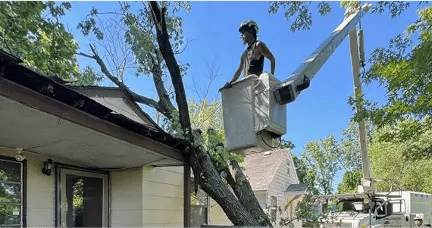
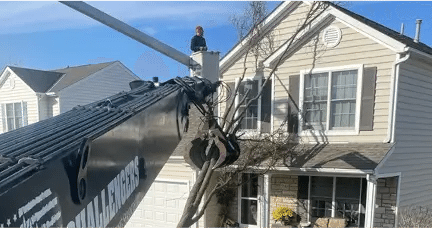
- Safe Removal: Using cranes, rigging, and industry-standard safety protocols, arborists cut and remove trees without causing additional property damage.
- Clean-Up: Debris is chipped or hauled away, leaving the property safe and accessible.
- Follow-Up Inspection: The crew often recommends inspections for other trees on the property that may have hidden storm damage.
This professional, step-by-step approach gives Columbus homeowners peace of mind during stressful situations.
Preparing Your Columbus Property for the Next Storm
Prevention is just as important as cleanup. Homeowners can take these proactive steps before severe weather hits:
- Schedule seasonal pruning. Removing deadwood and thinning dense canopies reduces wind resistance.
- Inspect root health. Shallow or weakened roots make trees more vulnerable to toppling in saturated soil.
- Avoid risky planting locations. Do not place large shade trees too close to homes, garages, or driveways.
- Invest in professional tree health assessments. An ISA Certified Arborist can identify weaknesses long before they become hazardous.
- Create a storm readiness plan. Keep utility and emergency numbers, insurance details, and your trusted tree service contact in one place.
By preparing your landscape ahead of time, you reduce both safety risks and the potential costs of storm recovery.
Frequently Asked Questions about Storm-Damaged Trees in Columbus
What should I do first if a tree falls on my property in Columbus?
Stay safe, avoid the area, and check for downed power lines. Call 911 if wires are involved, then contact a professional tree service for removal.
Will my homeowner’s insurance cover storm-damaged tree removal in Columbus?
Most policies cover removal if the tree damages a structure like your home or garage. If the tree only falls in your yard without causing damage, coverage may be limited.
How much does storm damage tree removal cost in Columbus?
The price depends on the tree size, location, and hazard level. On average, Columbus homeowners spend between $500 and $2,500 for emergency tree removal.
Can I remove a fallen tree myself?
Homeowners should only handle small debris that is safe to move. Large or leaning trees require professional equipment and training.
How do I prevent storm damage to trees in Columbus?
Schedule annual pruning, remove weak or dead limbs, and consult an ISA Certified Arborist for a health check.
Do I need a permit to remove storm-damaged trees in Columbus?
In most residential cases, permits are not required for emergency removals. However, always check with your local municipality, especially for trees near public rights-of-way.
Final Thoughts and Next Steps
Storm damage is a reality in Columbus, but it doesn’t have to turn into a disaster. Keep these essentials in mind:
- Safety comes first. Never approach fallen trees entangled with power lines.
- Professional tree services like Challengers offer safe, fast, and insured solutions.
- Preventive tree care reduces the risk of future damage.
When storms strike Columbus, rely on Challengers Tree Service. Our certified team provides emergency tree removal and storm clean-up in Columbus. Call us today to protect your home, your family, and your peace of mind.