Key Takeaways
- Columbus doesn’t experience direct hurricanes, but remnant tropical systems regularly bring damaging wind and heavy rain to central Ohio.
- Hurricane season, roughly June through November, overlaps with Ohio’s own severe thunderstorm season, compounding storm risk
- Pre-season pruning to remove weak, dead, or crossing limbs is one of the most effective ways to reduce storm damage.
- Trees with existing structural issues, like split trunks or included bark, are far more likely to fail during high-wind remnant storms.
- Saturated soil from heavy rain, common with remnant tropical systems, increases the risk of trees uprooting entirely.
- A professional pre-season inspection can identify hazards that aren’t obvious from a casual walk around the yard.
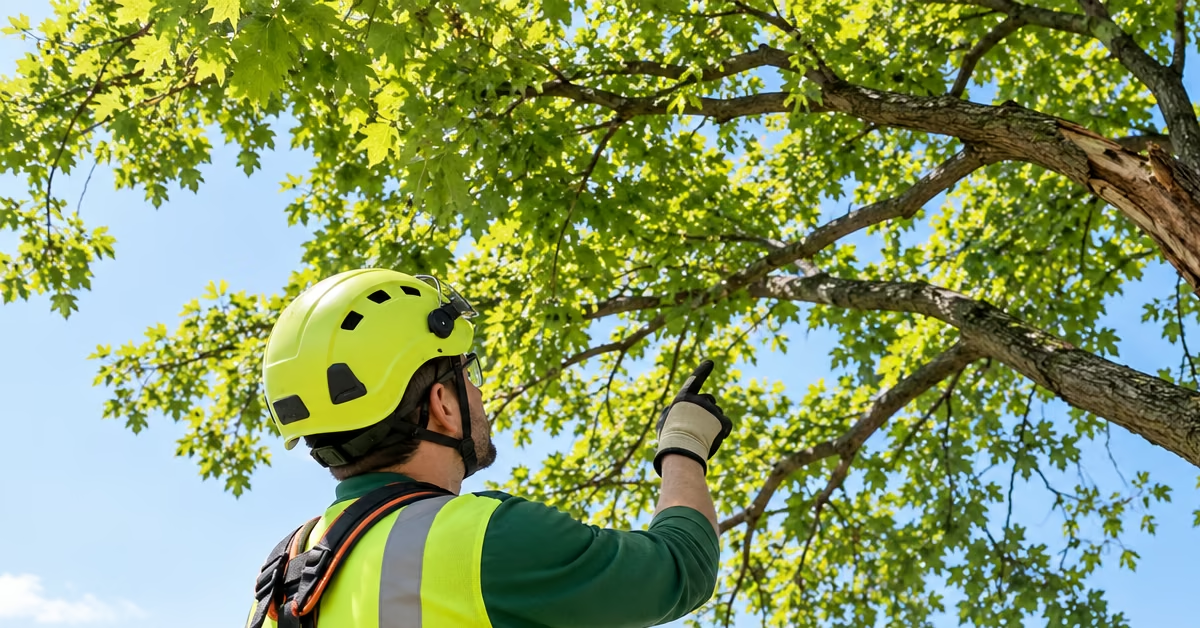
The best way to prepare your trees for hurricane season is to hire an experienced tree service firm in Columbus, OH to get them professionally inspected and pruned before June. Their licensed arborists can identify and remove hazardous limbs, including dead, weak, or crossing branches. In addition, they can evaluate structural concerns, such as split trunks and weak branch unions and recommend ways to improve drainage and protect trees from saturated soil.
Columbus is hundreds of miles from the coast and never experiences a hurricane making direct landfall. However, that doesn’t mean hurricane season is irrelevant to central Ohio homeowners. Remnant tropical storms can bring strong winds and heavy rain to central Ohio. Preparing your trees in late spring gives you time to identify and address potential hazards before hurricane season and peak severe weather begin.
Why Remnant Storms Still Pose Real Risk to Trees
A weakened tropical system arriving in Columbus won’t bring hurricane-force sustained winds, but it often arrives with a combination of heavy, prolonged rainfall and gusty winds that can be just as damaging to trees in different ways. Saturated soil from days of rain can loosen a tree’s grip on the ground. When a burst of wind follows, even healthy trees can be at increased risk of uprooting, not just losing limbs. This combination of wet ground and wind is a distinct risk pattern from Ohio’s typical summer thunderstorms, which tend to be shorter and more localized.
Step 1: Schedule a Pre-Season Structural Inspection
The most effective hurricane season preparation starts with a professional assessment of your trees’ structural condition well before June arrives. An arborist can identify early signs of decay, and any lean or root heaving that might not be obvious to an untrained eye. Trees that already show these warning signs are the ones most likely to fail when a remnant storm brings both wind and saturated soil together. So, catching these issues in spring gives you time to address them before storm season peaks.
Step 2: Prune Dead, Weak, and Crossing Limbs
Structural pruning ahead of storm season removes the limbs most likely to break off and cause damage. Dead or dying branches have often lost the flexibility that helps healthy wood withstand wind, making them prone to snapping even in moderate gusts.
Crossing or rubbing branches can wear through bark over time, creating weak points, while overly dense canopies catch more wind resistance than a well-thinned one. Removing this excess growth before hurricane season reduces both the wind load on the tree overall and the number of specific limbs likely to fail.
Step 3: Address Known Structural Weaknesses
If your pre-season inspection turns up a split trunk, a weak co-dominant union, or a limb with included bark, hurricane season is exactly the wrong time to leave it unaddressed. Cabling or bracing can reinforce a vulnerable union well ahead of the wind and rain that remnant storms bring. In more severe cases, removing a hazardous limb or an entire compromised tree before the season starts is far safer. Waiting for a storm to force the issue can increase the risk during or after an emergency.
Step 4: Improve Drainage Around Vulnerable Trees
Remnant tropical storms can bring heavy, prolonged rainfall. Good drainage helps protect your trees during these wet conditions. Saturated soil can weaken a tree’s root system and increase the risk of uprooting during strong winds.
Take these simple steps before the wetter months:
- Clear gutters and downspouts and ensure they do not direct excess water toward a tree’s root zone.
- Check the grading around your yard. Make sure water flows away from mature trees instead of pooling around their bases.
Step 5: Know What to Do During and After a Storm
During an active storm, the safest approach is simply to stay away from trees and any limbs that look stressed or are already cracking. Predicting exactly when a compromised limb will fail is impossible even for a trained professional.
After the storm passes, avoid touching downed limbs or trees near power lines and instead contact your utility company. A post-storm assessment can determine which damaged trees are salvageable with cleanup and pruning versus which pose enough risk that removal is the safer path forward.
Trees Most at Risk During Columbus Remnant Storms
Not every tree on your property faces the same level of risk when a remnant tropical system rolls through.
- Large, mature trees with dense, full canopies catch far more wind resistance than smaller or more open-structured trees. This puts extra strain on their root systems during saturated-soil conditions.
- Species with naturally weak wood, like silver maple and Bradford pear, are especially prone to limb failure in these events.
- Trees already showing signs of decline, lean, or root disturbance from construction or grading nearby are at the highest overall risk.
- Trees positioned near homes, driveways, or power lines deserve extra scrutiny during pre-season inspections as the consequences of a failure are greater than in an open part of the yard.
Challengers Tree Service assists Columbus, OH homeowners prepare their trees before hurricane season begins. Our team of experienced arborists can inspect trees for weak limbs, structural problems, decay, and other potential hazards. We can safely prune dead, weak, and crossing branches to reduce the risk of storm damage.
Challengers Tree Service can also assess trees with split trunks, weak branch unions, or other structural concerns. If a tree presents a serious hazard, we can recommend the safest solution. We can also provide tree removal and storm damage cleanup when severe weather causes damage.
Scheduling tree care in late spring gives us time to address potential hazards before peak storm activity. With a vast range of professional tree care services, Challengers Tree Service can help keep your trees safer during strong winds and heavy rain.
Frequently Asked Questions About Hurricane Season Prep in Columbus, Ohio
Does Columbus, Ohio ever get hit by an actual hurricane?
No, Columbus is too far inland to experience a hurricane making landfall, but remnant tropical systems regularly bring heavy rain and damaging wind to the area.
When is hurricane season, and does it matter for Ohio?
Hurricane season officially runs June through November, and it overlaps with Ohio’s own severe thunderstorm season, so both types of storms are worth preparing for during these months.
What’s the biggest tree risk during a remnant tropical storm in Columbus?
The combination of saturated soil from heavy rain and gusty wind is a leading cause of trees uprooting or losing major limbs during these events.
How far in advance should I prep my trees for hurricane season?
Late spring, before the season officially begins in June, is the ideal window for inspection and pruning, giving pruning wounds time to begin healing before peak storm activity.
Can cabling really help a tree survive a remnant storm?
Yes. Cabling and bracing reinforce weak limb unions, which are often the first point of failure when a tree faces sustained wind combined with wet, heavy soil.
Is it safe to prune my own trees before storm season?
Minor deadwood on small, easily reachable branches may be manageable for a homeowner, but structural pruning on larger limbs or near power lines should be left to a trained professional.
What should I do if a tree is damaged during a storm?
Stay away from the tree and any nearby power lines, and contact a professional for an assessment before attempting any cleanup yourself.
Are certain trees on my property more at risk than others?
Yes. Large, dense-canopied trees, species with naturally weak wood, and any tree already showing decline or lean face significantly higher risk during a remnant storm than a smaller, structurally sound tree.
Summary Checklist: Hurricane Season Tree Preparation in Columbus, OH
| Prep Step | What to Do |
| Structural inspection | Have an arborist check for weak unions, decay, and lean before June |
| Pruning | Remove dead, weak, and crossing limbs to reduce wind load |
| Structural support | Install cabling or bracing on known weak limb unions |
| Drainage | Clear gutters and grade yards to prevent water pooling near roots |
| Storm safety | Stay away from trees and downed limbs during and after storms |
| Post-storm assessment | Have damaged trees evaluated for salvage versus removal |
| Timing | Complete major prep work in spring, before hurricane season begins |
Final Advice
Don’t assume Columbus is immune to hurricane-related tree risk just because it’s far from the coast. Remnant storms bring real wind and rain that can seriously damage trees with existing weaknesses. Schedule a structural inspection and pruning visit in late spring, well before June, so any issues can be addressed before storm activity picks up. Pay close attention to drainage around mature trees, since saturated soil combined with wind is one of the biggest contributors to uprooting. Stay away from trees during active storms, and always get a professional assessment after significant wind or rain events rather than guessing at a damaged tree’s stability yourself.
Challengers Tree Service helps Columbus homeowners prepare their trees each season, so when the remnants of hurricane season roll through Ohio, your trees are ready for it.
Reviewed by a Licensed Arborist
This article has been reviewed by a licensed arborist to ensure accuracy with hurricane season storm patterns, tree risk factors, and pre-season preparation practices in central Ohio.