Key Takeaways
- Proper tree trimming promotes healthy growth, prevents disease, and maintains structural strength.
- Trim most trees during late winter or early spring dormancy; prune flowering trees after blooming.
- Never remove more than 25% of a tree’s canopy in one season to avoid stress and damage.
- Make cuts just outside the branch collar to encourage healing and reduce the risk of decay.
- Hire a certified arborist for large or hazardous pruning jobs to ensure safety and tree health.
Proper tree trimming is essential for maintaining your tree’s health, safety, and appearance. Many homeowners trim incorrectly, removing too much canopy, cutting too close to the trunk, or trimming at the wrong time, which weakens trees and exposes them to disease, pests, and structural failure. In Central Ohio’s variable climate with warm summers, cold winters, and occasional storms, trees need proper trimming to survive stress and maintain strong growth.
This article sheds light on –
- why trimming matters
- when to trim different tree types
- how to make proper cuts
- what techniques protect tree health, and
- why hiring a certified local arborist is critical for long-term tree vitality
Why Trimming Protects Your Tree’s Health
Trimming protects your tree’s health by removing dead, diseased, or damaged branches that can spread infection to healthy parts. When branches are removed correctly, the tree heals quickly and redirects energy toward vigorous new growth. Trimming also improves air circulation through the canopy, allowing sunlight to reach inner foliage and reducing conditions that favor fungal infections. By thinning dense branches, you prevent overcrowding that stresses the tree. Proper trimming removes crossing or rubbing branches that create wounds and entry points for pests. It strengthens the tree structure by eliminating weakly attached branches that could break during storms. Trimming young trees strategically establishes a strong framework early, directing energy toward the central leader. Overall, correct trimming maintains the tree’s natural growth pattern while promoting long-term health and stability.
When to Trim Different Tree Types
Timing is everything in tree trimming.
- Late winter to early spring is considered the best time to prune most trees since they are dormant during this period, which minimizes stress.
- During dormancy, trees heal cuts more efficiently before new growth begins, and the absence of leaves makes it easier to see the tree’s structure clearly. However, flowering trees should be pruned immediately after they bloom so they are not deprived of the time necessary to set buds for next year’s flowers.
- Avoid pruning in fall since this activity creates conditions favorable for fungal infections.
- Summer pruning is acceptable for light trimming to remove dead branches, but heavy pruning should wait until dormancy.
- Always check local guidelines for specific tree species.
Use the Right Tools for Precision Cuts
The right tools allow precision cuts and minimize damage to the tree. Use sharp pruning shears for shoots and small branches up to three-quarters of an inch in diameter, loppers for branches between three-quarters and four inches, and a pruning saw for anything larger. All tools must be sharp and clean before each cut to prevent tearing bark and transferring disease between branches. Dirty or dull tools create ragged wounds that heal slowly and invite infection. Disinfect tools with rubbing alcohol or a bleach solution between trees, especially when moving from diseased to healthy specimens.
Identify and Remove Dead or Diseased Branches
Regular checks on your trees for dead, diseased, or broken branches should be done frequently, especially after storms. Remove such branches by cutting at the nearest healthy node, using clean tools to ensure no diseases are being transferred. Dead branches are brittle, have no leaves, and often show dark streaks or fungal growth. Diseased branches may have wilting leaves, unusual discoloration, oozing sap, or visible mold. Cutting them out early prevents the spread of infection and maintains tree health.
Do Not Over-Prune Your Tree
Over-pruning weakens trees and exposes them to diseases, pests, and stress. Generally, do not remove more than 25% of the tree canopy in a single season. Removing too much foliage reduces the tree’s ability to produce energy through photosynthesis, starving roots and weakening overall structure. If you must remove more than 25%, spread the work over multiple seasons to allow the tree to recover gradually.
Remove Branches for Structure and Growth
Strategic pruning aids a tree’s structure while encouraging healthy growth. Remove competing branches that rub against each other, which can create wounds and infections over time. By maintaining a central leader in young trees, you encourage stable and balanced growth that develops a strong trunk and balanced canopy. Select the strongest, most upright branch as the central leader and remove or shorten competing branches that grow at similar heights.
Keep Safety a Priority During Trimming
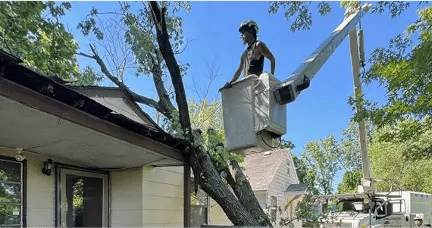
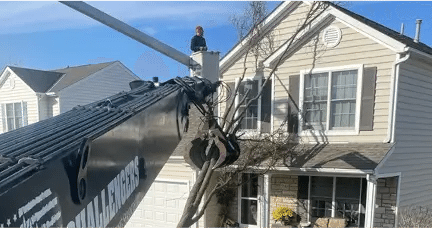
Climbing trees for trimming can be risky, especially with large branches or trees near power lines. When the job is dangerous, like working close to electrical wires or tall trees that need climbing, it’s best to call a certified arborist in Ohio with the right skills and equipment. They use ropes, harnesses, and safe cutting methods to control how branches come down and to protect your property from damage.
Consider Tree Species When Pruning
Different tree species respond differently to pruning. Oak trees are prone to oak wilt and should be pruned only in winter when the disease-carrying beetles are inactive. Maples and birches bleed sap when pruned in winter, so wait until summer after leaves have fully expanded. Pine trees should be trimmed carefully since they do not heal cuts well; remove only dead or damaged branches. Always research your specific tree species before trimming to avoid harming it.
Promote Air Circulation and Sunlight Penetration
Thinning out dense branches allows air to circulate and sunlight to reach the inner foliage. It helps prevent fungal infections and encourages even growth throughout the canopy. Remove unnecessary shoots and suckers, which drain energy from the main tree structure without contributing to its health. Proper thinning creates an open canopy that reduces humidity, discourages mold, and allows light to penetrate to lower leaves.
Prevent Weak Branch Attachments
Weakly attached branches can become hazardous during storms. To strengthen tree structure, remove branches with narrow crotch angles and encourage wide, U-shaped angles that distribute weight more effectively. Narrow V-shaped attachments are prone to splitting because they lack sufficient wood connection to the trunk. Wide U-shaped angles have stronger wood integration and reduce the risk of breakage.
Use Proper Cutting Techniques
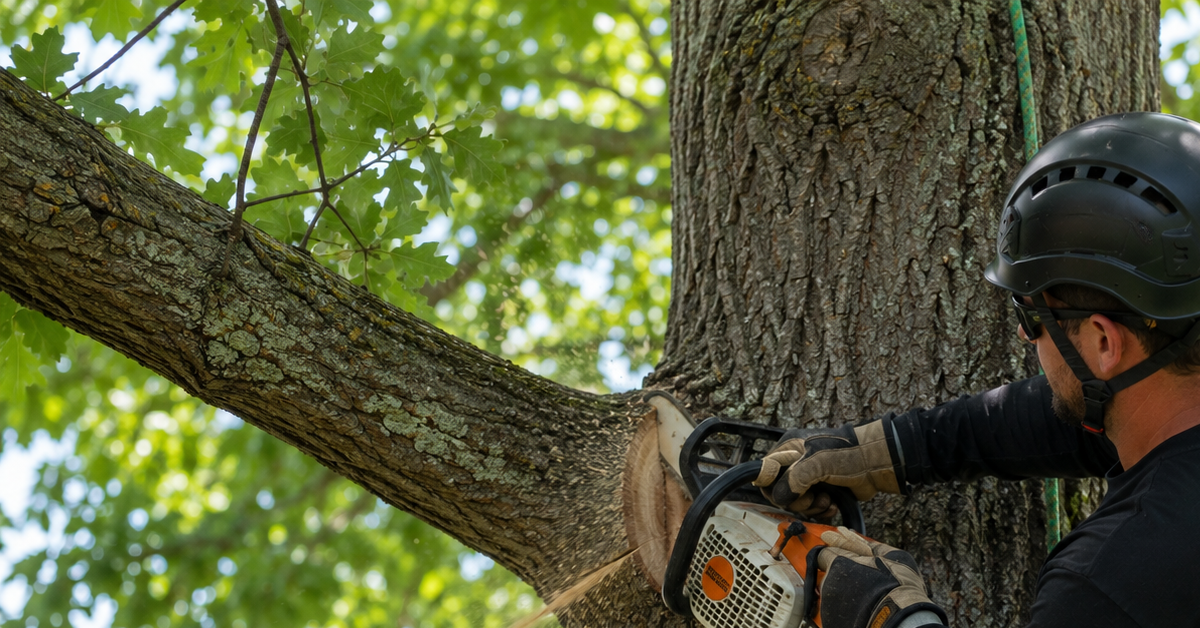
Making precise cuts promotes quicker healing. Always make cuts just outside the branch collar, which is the swollen area at the base of a branch where it connects to the trunk. Avoid leaving stubs or cutting too close to the trunk, as this can lead to decay and disease. Stubs do not heal properly and become entry points for pests, while cutting too close damages the branch collar.
Why Hire a Local Certified Arborist in Ohio
Local arborists understand Central Ohio’s weather, soil, and common tree diseases. They know which tree types are more likely to develop certain problems and can spot issues early. Tree care teams in Ohio can check tree health, suggest proper trimming, and help with permits when required.
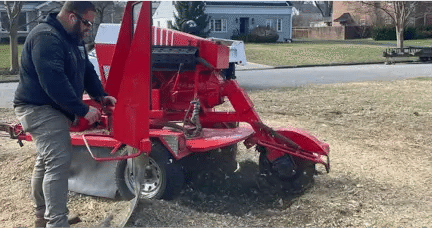
Challengers Tree Service perform precise cuts, remove dead or diseased branches, and offer annual monitoring. We offer wide range of services such as – tree removal, tree trimming & pruning, 24/7 emergency tree service, stump removal/ grinding, shrub removal/trimming, lot & land clearing, and debris hauling & removal across Columbus, Grove City, Hilliard, Dublin, Powell, Westerville, Gahanna, Reynoldsburg, Blacklick, and Orient. Homeowners trust our fast response, local knowledge, and transparent pricing.
Frequently Asked Questions About Tree Trimming in Ohio
When is the best time to trim trees in Ohio?
Late winter to early spring is best for most trees when dormant. Flowering trees should be trimmed after blooming.
How much canopy can I remove safely?
Do not remove more than 25% of the canopy in a single season to prevent stress.
Where should I cut when trimming a branch?
Cut just outside the branch collar, the swollen area at the base of the branch, to promote quick healing.
Can I trim trees in summer?
Yes, for light trimming to remove dead branches, but avoid heavy pruning.
Should I trim young trees?
Yes, strategic early pruning establishes strong structure and directs energy toward the central leader.
Summary Checklist: Proper Tree Trimming
| Situation | Action Required | Call a Pro? |
|---|---|---|
| Dead or Diseased Branches | Prune back to the nearest healthy branch collar or growth node. | Yes, recommended for proper pruning and disease management. |
| Crossing or Rubbing Branches | Remove the weaker or poorly positioned branch. | Yes, recommended to preserve tree structure. |
| Overgrown Dense Canopy | Thin selected branches to improve airflow and sunlight penetration. | Yes, recommended for balanced canopy reduction. |
| Large Branches Near Power Lines | Do not attempt pruning or removal yourself. | Yes, urgent. Contact a qualified utility-line clearance professional. |
| Young Tree Structural Pruning | Develop a strong central leader and well-spaced scaffold branches. | Yes, recommended to establish long-term tree health and structure. |
Final Advice
Proper tree trimming requires strategic action to protect your tree’s long-term health and safety. Always time your pruning according to the specific tree species, favoring late winter dormancy for most native trees to minimize biological stress.
- Respect the 25% Canopy Rule: Avoid over-pruning by never removing more than a quarter of the living crown in a single season, ensuring the root system receives adequate nourishment.
- Protect the Branch Collar: Execute every cut precisely outside the branch collar rather than making damaging flush cuts or leaving long, rotting stubs.
- Maintain Structural Integrity: Routinely monitor your canopy for crossing branches, codominant stems, and narrow V-shaped crotches before they develop into severe structural liabilities.
- Keep Clean and Sharp Tools: Use properly sized, sanitized, and sharpened cutting instruments to prevent tearing the bark and spreading vascular pathogens between trees.
- Recognize Critical Hazard Indicators: Address dead wood, advanced fungal decay, and hollow structural limbs immediately to eliminate dangerous targets before severe weather hits.
- Invest in Proactive Maintenance: Establish a schedule for annual professional health assessments to identify internal decay early and extend the safe lifespan of your landscape.
- Hire Qualified Local Specialists: Entrust high-altitude climbing, heavy rigging, and tasks near active electrical utility lines to a fully certified, bonded, and insured tree service firm in Ohio. Contact Challengers Tree Service now to schedule your free consultation.