
Key Takeways:
- Spring storms can leave trees with hidden damage that increases future failure risks.
- Waterlogged soils weaken root systems and make trees more likely to topple.
- Strong winds can snap trunks or uproot entire trees during severe weather.
- Storm injuries expose trees to decay, disease, and insect infestations.
- Preventive tree care and prompt inspections help reduce storm-related hazards.
Springtime in Greater Columbus brings a beautiful wave of green, but it also ushers in volatile weather patterns that threaten the region’s urban forest. From late March through June, the Greater Columbus area frequently experiences severe weather, including heavy downpours, intense straight-line winds, and occasional tornadic outbreaks. While these seasonal systems are natural to the local climate, they pose a multi-layered threat to native trees like oaks, maples, hickories, and elms.
For homeowners across Franklin County, Columbus, Grove City, Hilliard, Dublin, Westerville, and Gahanna, understanding the direct connection between spring storms and tree physiology is essential. Severe weather does not just break visible branches; it causes hidden structural fatigue, destabilizes root systems in saturated soils, and leaves lasting biological vulnerabilities that pests and diseases exploit later. This article details how spring storms alter tree health across our neighborhoods and outlines steps necessary to safeguard your canopy.
Structural Failures: Windsnap and Windthrow Mechanics
The mechanical forces exerted by spring storm winds damage trees through two primary physical processes: windsnap and windthrow. Windsnap occurs when high-velocity winds or sudden microbursts apply more pressure to a tree’s upper canopy than the trunk can flex to handle. When this threshold is crossed, the main trunk snaps cleanly in half, or major scaffolding limbs tear away from the main union point. This failure is common in mature oak and maple trees with dense canopies that catch massive wind energy.
Windthrow describes an event where the entire tree is physically uprooted and tipped over by wind. This failure occurs when the holding capacity of the root ball and surrounding soil fails before the trunk snaps. Large, mature trees with expansive leaf canopies act like giant sails during storms, transferring immense mechanical stress down into the ground. When soil is saturated from spring rainfall, the root system’s grip weakens drastically, making windthrowing far more likely than in dry conditions.
Saturated Soils and Root System Destabilization
Spring storms in the Columbus basin routinely drop multiple inches of rain over short windows, completely saturating local ground. The topsoil throughout much of Central Ohio sits over dense clay layers, preventing groundwater from draining away quickly. When soil becomes completely waterlogged, spaces between soil particles fill entirely with water, displacing the oxygen that root cells desperately need to survive.
This waterlogging severely softens the earth, drastically reducing the structural grip that a root system has on the ground. A tree standing secure in dry dirt can easily tip over when the surrounding soil turns into soft, muddy slurry. Furthermore, prolonged saturation weakens delicate root hairs responsible for absorbing nutrients, making the tree less stable and less capable of feeding itself once the storm passes. Trees in poorly drained clay soil face the highest windthrow risk during spring storms.
Internal Structural Fatigue and Wounded Wood Care
Not all storm damage is immediately visible. During severe spring storms, strong winds force trees to bend and twist, placing intense stress on trunks and major branches. This movement can create internal cracks and weakened wood fibers hidden beneath bark. As a result, a tree may appear healthy after a storm but still face increased risk of failure later in the season.
Storms also leave torn limbs, broken branches, and stripped bark, exposing the tree’s inner tissues. These wounds provide easy entry points for wood-decaying fungi and boring insects. In Central Ohio’s warm, humid spring climate, decay develops quickly if wounds do not seal properly. Over time, hidden damage reduces structural strength and makes trees more vulnerable during future storms. Prompt professional assessment is critical to identify hidden trauma.
Preventive Management and Safe Post-Storm Emergency Response
The most effective way to protect your property from storm-related tree failures is through proactive, preventive care. Before peak spring storm season arrives, walk your land to inspect general tree health. Look closely for warning signs of structural weakness: dead or hollow limbs, deep cracks running down the trunk, or clusters of wild mushrooms growing around the base of roots. These indicate internal decay that compromises stability. If a storm brings down a tree on your property, prioritize personal safety during cleanup. If a fallen branch contacts any overhead utility wire, stay at least thirty feet away and do not touch nearby debris.
- Call 911 immediately if a line is sparking or posing an active threat. Contact your local power provider to disconnect power before work begins.
- For private property damage without utility involvement, take extensive photographs for homeowner’s insurance before moving wood.
- Avoid clearing large, heavy logs by yourself; shifting timber can roll unexpectedly and cause severe crushing injuries. When severe spring weather compromises landscape safety, you need a dependable emergency spring season tree service firm in the Greater Columbus area, Ohio to perform storm cleanup.
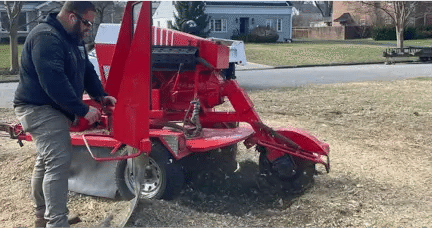
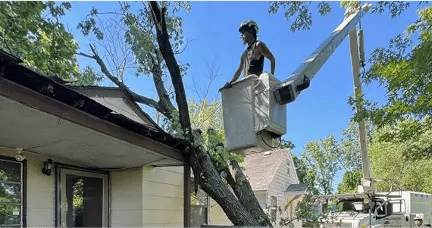
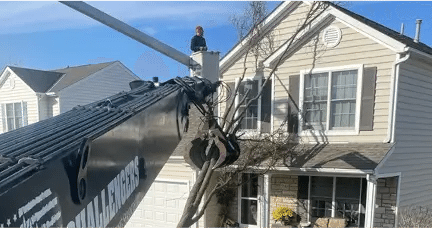
Challengers Tree Service provides expert storm damage cleanup and emergency tree services throughout Columbus, Grove City, Franklin County, and Greater Columbus. We are a licensed and insured company that offers 24/7 emergency response with decades of combined experience. Our professional crews handle tree removal, tree trimming & pruning, 24/7 emergency tree service, stump removal & grinding, debris hauling & removal, and lot & land clearing safely and efficiently. Challengers Tree Service stands out for safety, professionalism, and customer satisfaction, using advanced equipment for precision work.
Frequently Asked Questions About Ohio’s Spring Storms and Tree Health in Columbus
Can a tree that was completely underwater for a few days during a spring flood survive in Greater Columbus?
Yes, many native trees survive short-term flooding if water recedes within days. However, if soil stays waterlogged for more than two weeks, root systems may suffer permanent oxygen deprivation damage.
Who is responsible if a tree from my yard falls onto a city street in Greater Columbus?
If a private tree falls into a public right-of-way, local public works clears roads for traffic, but homeowners may still remove leftover debris from their private boundary line.
How can I tell if a tree trunk has an internal crack after a bad windstorm?
Internal cracks show faint sap lines, vertical bark splits, or sudden unexplained leans. A professional must use diagnostic tools to check interior wood density.
Is it safe to use a chainsaw to clear storm limbs leaning against my fence?
Cutting limbs under pressure is highly dangerous. Bent wood holds tension and can violently kick back when cut. Heavy clearing always requires trained crews.
Does insurance pay to replace a historic tree blown over in a Columbus storm?
Most homeowner’s policies pay for physical removal if trees damage covered structures. Policies rarely fund purchasing mature historic replacement trees.
Summary Checklist: Spring Storm Tree Safety and Response
| Situation | Action Required | Call a Pro? |
|---|---|---|
| Fallen Limb Touching Overhead Wire | Stay at least 30 feet away and keep family members and pets indoors. | Yes. Contact the utility company immediately. |
| Trunk Showing a Fresh Vertical Split | Evacuate the potential fall zone around nearby structures. | Yes. Immediate emergency tree assessment is required. |
| Large Branch Dangling High in the Canopy | Block access beneath the branch and keep people away. | Yes. Professional high-reach rigging is necessary. |
| Soil Churning at the Base of a Leaning Tree | Move away from the area immediately and avoid the fall zone. | Yes. Urgent stabilization or removal may be needed. |
| Bark Stripped by Flying Debris | Keep the area clean and avoid applying paint or sealants. | Optional. An arborist can provide wound-care guidance. |
| Young Tree Leaning After Heavy Rain | Avoid packing wet soil around the root collar. | Yes. Professional straightening and staking are recommended. |
Final Advice
Managing spring storm impacts on your Greater Columbus property requires early action and careful observation. Never underestimate storm-damaged timber’s weight and unpredictable nature. Treat every fallen wire as live and lethal. Always inspect mature trees for hidden splits and leaning trunks once severe weather passes. Regular preventive maintenance like clearing dead wood and thinning dense canopies significantly minimizes storm risks. When heavy timber falls, protect your home investment and safety by relying on a fully insured, certified emergency spring season tree service firm in the Greater Columbus area, Ohio. To learn more about how Challengers Tree Service can assist you, Book Your Free Estimate Now.