
Key Takeaways:
- Cultural Heritage: Planting an Ohio Buckeye is a living tribute to the state’s identity and pioneer history.
- Seasonal Interest: Offers a unique first to bloom, first to turn cycle, providing early spring green and early autumn color.
- Wildlife Support: Acts as a critical early-season nectar source for hummingbirds and pollinators.
- Shade and Structure: Provides a dense, rounded canopy that creates excellent summer shade for Midwestern homes.
- Professional Maintenance: Requires expert pruning and health monitoring to mitigate common issues like leaf scorch.
In the rolling landscapes of Central Ohio, trees are more than just part of the scenery; they are a vital component of our property’s character and environmental health. However, the unique environment of the Midwest, characterized by humid summers, heavy clay soils, and the occasional severe thunderstorm, presents specific challenges for homeowners. Choosing the right tree for a property in areas like Columbus, Grove City, or Dublin requires a balance of aesthetic appeal and biological resilience. This is why the Ohio Buckeye (Aesculus glabra) remains the gold standard for local residents.
Traditionally, homeowners might lean toward generic maples or oaks, but the Buckeye offers a connection to the land that other species cannot match. Designated as the official state tree in 1953, it has become a symbol of resilience and local pride. But beyond the mascot and the folklore, the Buckeye tree is a powerhouse of seasonal beauty and ecological utility.
The Historical Significance of the Ohio Buckeye
The name Buckeye was first coined by Native Americans, who called the tree’s seeds hetuck, meaning eye of the buck. This was due to the glossy, dark brown nut featuring a light-colored spot, bearing a striking resemblance to the eye of a male deer. Early settlers embraced the tree as a symbol of the frontier, using its lightweight wood for everything from bowls to prosthetic limbs.
By planting a Buckeye today, you are participating in a historical legacy. It serves as a perennial conversation starter and a bridge to the natural history of the Ohio River Valley. For many, it isn’t just a tree; it’s a statement of belonging to the Buckeye State.
Seasonal Transitions: A Tree of Firsts
One of the most compelling reasons to add an Ohio Buckeye to your landscape is its distinct biological clock. It is famously the first to wake and the first to sleep among Midwestern hardwoods, providing a unique rhythm to your yard’s appearance.
Spring Awakening
While many other hardwood species are still stark and dormant in early April, the Buckeye is often the very first to leaf out. Its bright green, palmately compound leaves, five to seven leaflets spreading out like fingers, emerge with a vigor that signals the definitive end of winter. Shortly after, the tree produces dramatic, upright clusters of greenish-yellow flowers. These panicles are highly attractive to ruby-throated hummingbirds, making your yard a hub for early-season wildlife activity.
Summer Shade and Density
The Buckeye’s canopy is naturally rounded and incredibly dense. This makes it an ideal shade tree for cooling down patios or backyard play areas during the humid dog days of August. The texture of the foliage is distinct from the more common lobed leaves of oaks and maples, providing a visual focal point that stands out in a suburban streetscape.
Early Autumn Brilliance
If you appreciate the changing colors of fall, the Buckeye offers an early preview. It is frequently the first tree in the neighborhood to turn, shifting into a brilliant palette of pumpkin orange, burnished gold, and deep red. While your neighbors’ trees are still green, the Buckeye provides a vibrant splash of autumn fire that extends the beauty of the season.
Ecological Benefits and Wildlife Support
In a modern era where supporting local biodiversity is a priority for many homeowners, the Buckeye tree is an ecological workhorse.
- Pollinator Support: The spring blooms provide critical nectar for long-tongued bees and butterflies.
- Bird Habitats: The dense branching and early foliage provide excellent nesting sites for local songbirds like cardinals and robins, offering protection from spring winds and predators.
- Nutritious Seeds: While toxic to humans and pets, the buckeye nuts are a primary food source for squirrels and other hardy rodents who have adapted to handle the tannins.
Planting for Success: Soil and Location
While the Buckeye is a hardy native, it does have specific preferences to reach its full potential (usually 40 to 60 feet in height).
- Soil Quality: They thrive in deep, moist, well-drained soils. They are remarkably adaptable to the clay-heavy soils common in Central Ohio but appreciate a location that doesn’t remain waterlogged.
- Sun and Shade: While they can handle full sun, Buckeyes are technically understory trees. In a residential setting, they appreciate a spot that offers a bit of relief from the harsh afternoon sun, which helps prevent leaf scorch.
- Spacing: Because of their broad, rounded spread, ensure you plant them away from power lines and at least 20 feet from building foundations to allow for a healthy root system.
Understanding the Buckeye Scorch
It is common for Buckeye trees to develop leaf blotch or scorch by late August. This can cause the leaves to look brown or rusty around the edges. While this can be aesthetically frustrating for a few weeks, it is rarely fatal to the tree. Strategic planting in areas with afternoon shade and consistent watering during droughts can mitigate this. A professional arborist can help diagnose whether the browning is a standard seasonal reaction or a sign of a deeper fungal issue.
The Value of Native Species
Investing in a Buckeye is a financially sound decision for your property. Native trees generally require less supplemental watering once established and have built-in defenses against local pests. Furthermore, a healthy, mature tree can increase your property’s market value by up to 15%, providing a massive return on the initial cost of planting and maintenance.
Landscape Versatility
The Buckeye isn’t just for backyards. Its versatility makes it suitable for various landscape applications:
- Specimen Tree: Its unique flowers and leaf shape make it a perfect focal point in a front yard.
- Naturalized Areas: If you have a larger property with a creek or a woodlot edge, the Buckeye will blend in perfectly.
- Shade Tree: When planted on the south or west side of a home, it can help lower cooling costs in the summer.
Why Professional Care Matters
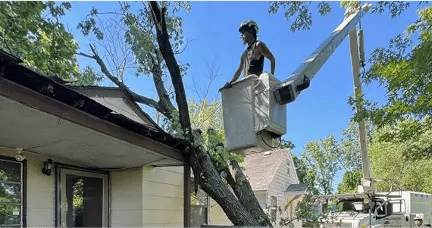
Tree work is statistically one of the most dangerous professions in the country. Managing a native icon like the Buckeye requires a specialized touch to ensure it thrives for generations without becoming a hazard to your home. Expert arborists use advanced equipment and strategic pruning to maintain the structural integrity of the tree, protecting your roof, power lines, and landscaping from potential impact damage. In the heavy soils of Grove City and the sprawling neighborhoods of Columbus, where trees like the Buckeye can reach staggering heights, professional maintenance provides the only truly controlled method for ensuring a long-standing landscape giant remains healthy.
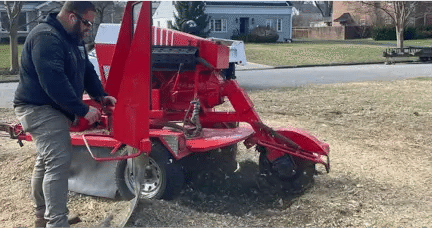
When it comes to complex or hazardous tree care, Challengers Tree Service is the trusted authority in Columbus and the surrounding areas. Located at 1623 Marlane Drive in Grove City, our expert team provides safe, high-quality tree removal, trimming, and stump grinding with a commitment to precision and professionalism. We offer fast estimates, 24/7 emergency storm damage cleanup, and a full range of services, including debris hauling and land clearing.
Whether you need routine pruning for your Buckeye or an urgent response to fallen limbs, our skilled professionals use top-tier equipment to ensure your property remains safe and beautiful. Serving Hilliard, Dublin, Powell, and all of Central Ohio, we prioritize customer satisfaction and safety in every job.
Frequently Asked Questions by Homeowners in Ohio
When is the best time to prune a Buckeye in Ohio?
Late winter or early spring, before the leaves emerge, is the ideal time for structural pruning. This allows the tree to heal quickly as it enters its growth phase.
Is the Buckeye tree messy?
The Buckeye drops large husks and nuts in the fall. For many, this is a beloved autumn ritual, collecting the nuts for luck or crafts. If you prefer a debris-free lawn, plant the tree away from walkways or driveways.
Does a Buckeye tree damage my driveway?
If planted too close, the large root system of any mature tree can lift concrete. We recommend a minimum 15 to 20-foot buffer from paved surfaces.
Are Buckeyes toxic to dogs?
Yes. The nuts and leaves contain aesculin, which is toxic to pets and humans if ingested. They should be used as decorative items and kept out of reach of animals.
How far can a Buckeye’s roots reach?
Generally, a tree’s root system can extend 1.5 to 3 times the width of its canopy. Proper placement is key to preventing interference with underground utilities.
How fast does a Buckeye grow?
It is a medium-speed grower, typically adding 1 to 2 feet of height per year under ideal conditions.
Can I grow a Buckeye from a nut?
Yes, but they require a period of cold stratification (winter) to germinate. It is often easier to start with a sapling from a professional nursery.
Does Challengers Tree Service handle emergency work in Ohio?
Yes, we offer 24/7 emergency storm damage services to handle fallen trees and dangerous limbs at any time of day or night.
Is your crew licensed and insured?
Yes. We prioritize safety and professionalism, ensuring every project is handled with the highest standards and full insurance coverage.
How far out are routine jobs booked in Ohio?
Typically, routine maintenance and removals are booked approximately three weeks out, ensuring timely service for our clients.
Summary Checklist: When to Call for Expert Care
| Condition | Risk Level | Recommended Action |
|---|---|---|
| Tree leaning over a house or pool | High | Arrange professional evaluation to determine the safest controlled removal or stabilization method |
| Internal decay or hollow trunk | High | Request structural assessment and specialized removal planning due to elevated failure risk |
| Post-storm uprooted tree on a roof | Critical | Treat as an emergency hazard and arrange immediate professional stabilization and removal response |
| Large tree near high-voltage power lines | High | Coordinate with qualified line-clearance professionals for safe maintenance or hazard mitigation |
| Stump remaining from a previous removal | Low | Schedule stump removal or grinding to improve usability, appearance, and reduce pest concerns |
Final Advice
Planting an Ohio Buckeye is not just a luxury; for many Central Ohio properties, it is a biological and cultural investment. By utilizing native species, you eliminate many of the unpredictable variables of invasive pests and climate-related stress, ensuring that your home and lawn remain beautiful. In the sandy-loam and clay corridors of Columbus and Pace, the precision of an equipped team is the most reliable way to navigate the growth and maintenance of your landscape giants.
Do not risk the structural integrity of your home by neglecting the health of your trees. A professional arborist consultation can determine the best pruning and health plan for your specific landscape needs. Investing in this technology and expertise means prioritizing the safety of your family and the preservation of your property value. For expert service in the Grove City area and beyond, the precision of a team like Challengers Tree Service is the most reliable way to navigate the aftermath of a storm or the care of a long-standing landscape favorite.