Winter in Columbus, Ohio, can be tough on our trees. Freezing temperatures, heavy snow, and strong winds leave their mark, often causing hidden damage that only becomes apparent as spring arrives. Understanding what to look for after the cold months is essential for the health and longevity of your landscape.
Key Takeaways
- Winter weather in Columbus can cause significant, often hidden, damage to trees, including broken branches, bark splits, and desiccation.
- A thorough post-winter inspection of your trees’ trunks, branches, and root collars is critical for early detection of issues.
- Columbus has specific forestry regulations; always confirm permit requirements for work on public trees.
- Many winter-related tree problems, especially large breaks or signs of decay, require the expertise of an experienced tree care professional.
- Proactive measures like proper pruning, watering, and mulching can significantly reduce future winter damage.
- Early professional inspections help identify safety risks before damage worsens.
What is Winter Tree Damage?
Winter tree damage refers to any physical harm or stress sustained by trees during the colder months due to environmental factors. This damage can range from minor twig breakage to severe structural compromise, impacting tree health and posing safety risks. Understanding the specific threats helps you identify problems early.
Common Types of Winter Tree Damage
Several types of damage commonly affect trees in winter, each with distinct indicators.
- Branch Breakage: Heavy snow and ice accumulation can weigh down branches, causing them to snap or split, especially on trees with weak branch angles or pre-existing conditions.
- Trunk and Bark Splits: Sudden freeze-thaw cycles often cause vertical bark splits known as sunscald or frost cracks. These wounds typically appear on the south-facing side of the trunk and serve as primary entry points for pathogens during the spring thaw.
- Winter Desiccation: Evergreens are particularly vulnerable. When the ground is frozen, trees can’t absorb water, but their needles continue to transpire moisture. This leads to browning or ‘winter burn’.
- Root Damage: While less visible, frozen soil can damage shallow roots, especially on newly planted trees or those without adequate mulch.
- Salt Spray Damage: Trees along roadways in Columbus are susceptible to salt spray from de-icing efforts. This can cause leaf burn, stunted growth, and twig dieback, often appearing as browned foliage in spring.
Why Columbus Trees Are Vulnerable
Trees in Columbus face specific challenges from the local climate and conditions. Our winters bring a combination of factors that stress trees more than in other regions.
- Freezing Temperatures: Sustained freezes can lead to ice formation within tree tissues, causing cell damage.
- Drying Winter Winds: Strong winds exacerbate water loss from evergreens, increasing desiccation risk.
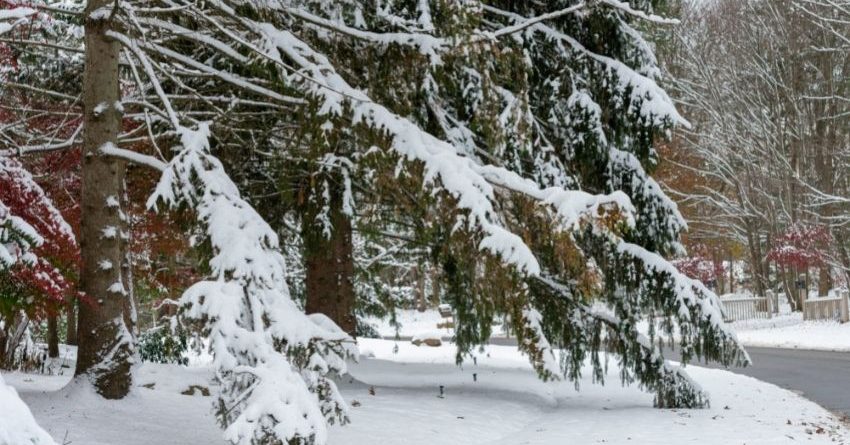
- Heavy Snow and Ice: The sheer weight of precipitation is a primary cause of limb failure.
- Sudden Temperature Swings: Columbus often experiences rapid changes from cold to mild and back, stressing bark and buds.
- Pre-existing Stressors: Winter stress often masks underlying issues. According to The Ohio State University (OSU) Extension, many fungal pathogens like Oak Wilt or Apple Scab remain dormant during the freeze and activate as soon as temperatures rise, making a professional post-winter inspection critical.
Immediate Post-Winter Tree Inspection Checklist
A systematic inspection immediately after winter’s grip loosens helps identify problems before they worsen. Don’t wait until summer to assess the damage; early detection can save a tree.
Trunk and Bark Assessment
The trunk and main structural branches are the backbone of your tree. Any damage here can be critical.
- Check for Cracks and Splits: Look for vertical cracks in the bark, especially on the sunny side of the trunk. These can indicate sunscald or frost cracks.
- Peeling or Loose Bark: Is the bark lifting away from the wood? This might signal internal damage or disease worsened by winter.
- Girdling: Examine where the trunk meets the ground for any signs of wires, ropes, or roots girdling the tree, which can restrict nutrient flow and weaken it.
- Fungal Growth: Mushrooms or conks on the trunk or large branches are a strong indicator of internal decay.
Branch and Twig Health
Branches and twigs are often the first to show visible signs of winter stress.
- Broken or Hanging Branches: Scan the entire canopy for snapped limbs or branches still attached but clearly damaged. These are immediate hazards.
- Dead Twigs: Scrape a small section of bark from a twig; if it’s brown and dry underneath, the twig is dead. Live twigs will show green tissue.
- Bud Condition: Are buds swelling normally? If they’re shriveled, discolored, or absent, it could indicate cold damage or desiccation.
- Unusual Branch Patterns: Look for branches growing inwards, rubbing against each other, or showing signs of decay at their attachment points.
Root Collar and Soil Check
The area where the tree meets the soil, and the soil itself, provides clues about root health.
- Root Collar Exposure: Ensure the root collar (where the trunk flares out before entering the soil) is not buried too deeply by mulch or soil, as this can lead to rot.
- Heaving or Tilting: Is the tree leaning noticeably or does the soil around the base appear disturbed? This could indicate root damage or instability.
- Pest Activity: Look for sawdust or boreholes around the base, which could signal borers that attacked a winter-stressed tree.
- Soil Compaction: Check if heavy snow or foot traffic compacted the soil around the roots, hindering water and nutrient absorption.
Evergreens and Salt Spray
Evergreens, especially those near roads, have unique vulnerabilities.
- Browning Needles: Observe if needles are turning brown or reddish, particularly on the side facing roads or where snow was piled. This is a classic sign of winter desiccation or salt burn.
- Needle Drop: While some needle drop is normal, excessive shedding can indicate severe stress.
- Overall Vigor: Compare the evergreen’s color and fullness to previous years or to other healthy evergreens in your yard.
Understanding Columbus’s Local Tree Regulations
Navigating tree work in Columbus means understanding local rules. The city has specific requirements that can impact what you can and cannot do, especially concerning public trees.
Public vs. Private Tree Work
The distinction between public and private trees is critical for compliance.
- Public Trees: Under the current Columbus Urban Forestry Master Plan, you must obtain a Forestry Permit before performing any work, including pruning or root-zone disturbance on public trees or those located within the city right-of-way.
- Private Trees: Generally, you don’t need a permit for work on trees solely on your private property, unless the work could impact a public tree (e.g., roots crossing property lines, large limbs overhanging public right-of-way).
- Registration Requirements: Any business performing tree work in Columbus must be registered with the City Clerk’s Office and provide proof of insurance. Always verify your tree service is properly registered.
The Role of Tree Care Professionals in Columbus
Experienced tree care professionals play a key role in ensuring compliance and proper care.
- Permit Application: An experienced tree care professional can apply for public tree permits on a homeowner’s behalf, simplifying the process.
- Standard Adherence: All pruning and removal work on public trees must adhere to ANSI A300 and ANSI Z133.1 standards, overseen by an experienced tree care professional.
- Expert Assessment: Experienced tree care professionals familiar with Columbus regulations can help ensure safe, compliant work.
When to Call a Professional Tree Service
While minor twig cleanup might be a DIY task, many winter tree issues demand professional attention. Knowing when to call an expert protects both your property and your safety.
Signs of Severe Damage Requiring Expert Help
Certain indicators immediately signal that professional help is needed.
- Large Broken Limbs: Any limb over 4 inches in diameter that is broken, hanging, or split poses a significant hazard.
- Trunk Cracks or Splits: Deep cracks in the main trunk or large structural branches can compromise the tree’s entire integrity.
- Leaning Tree: If your tree has started to lean significantly or shows signs of root heaving, it could be at risk of falling.
- Proximity to Structures/Utilities: Damaged trees near your home, garage, power lines, or other critical infrastructure are extremely dangerous to handle yourself.
- Signs of Decay: Fungal growth, soft spots on the trunk, or extensive deadwood indicate internal issues that require an experienced tree care professional’s diagnosis and treatment plan.
The Dangers of DIY Tree Work
Attempting to tackle major tree damage without the right skills and equipment is a serious risk.
- Personal Injury: Tree work is inherently dangerous, leading to falls, cuts, and even electrocution if near power lines.
- Property Damage: Improper cuts or uncontrolled falling limbs can cause extensive damage to your home, fences, or other landscaping.
- Further Tree Damage: Incorrect pruning or removal techniques can worsen a tree’s health, making it more susceptible to disease or future damage.
- Lack of Insurance: Most homeowners’ insurance policies won’t cover injuries or damages resulting from DIY tree work.
- Permit Violations: Unknowingly working on public trees without a permit can lead to fines and legal issues.
DIY vs. Professional Tree Assessment
Deciding whether to handle tree issues yourself or hire a professional can be challenging. Here’s a quick comparison to guide your decision.
| Factor | DIY Approach (Small Issues) | Professional Approach |
| Damage Type | Small broken twigs, minor leaf discoloration, and easily accessible issues. | Large limbs, trunk cracks, leaning trees, internal decay, storm damage. |
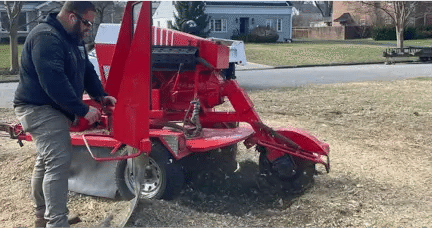
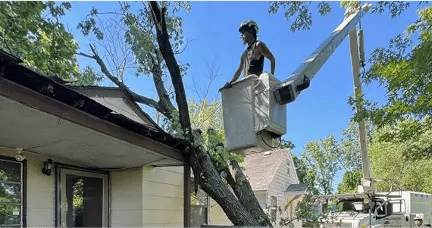
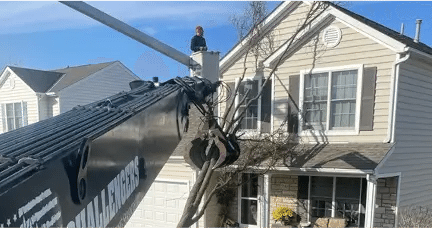
| Equipment Needed | Hand pruners, rake, and basic gardening tools. | Chainsaws, chippers, climbing gear, safety equipment, bucket trucks, stump grinders. |
| Safety Risk | Low to moderate risk, such as minor cuts or scrapes. | Risk is minimized through trained arborists and strict safety protocols. |
| Expertise | Basic visual inspection and general gardening knowledge. | Professional diagnosis of disease, structural integrity, and safe corrective pruning. |
| Cost | Minimal upfront cost for tools or rentals. | Investment in proper diagnosis, safe execution, and long-term tree health. |
| Outcome | Handles surface issues but may miss hidden structural problems. | Comprehensive solution, improved safety, and long-term stability. |
Preventing Future Winter Tree Damage
While you can’t control the weather, you can take steps to bolster your trees’ defenses against winter’s worst, minimizing damage in the future.
Proper Pruning Techniques
Proper pruning is perhaps the most impactful preventative measure.
- Remove Weak Branches: Before winter, prune out branches with narrow V-shaped crotches, as these are prone to splitting under snow or ice weight.
- Thin the Canopy: Strategically thinning a dense canopy allows wind and snow to pass through more easily, reducing the load on branches.
- Remove Deadwood: Dead or diseased branches are weak points. Removing them before winter eliminates potential hazards.
- Timing is Key: Most structural pruning is best done in late fall or early winter when trees are dormant, or in late winter/early spring before new growth starts, depending on the species.
Winter Watering and Mulching
Even in winter, water and insulation are vital for tree survival.
- Deep Watering: Continue to deep water trees, especially evergreens, until the ground freezes solid. This ensures they have adequate moisture reserves.
- Mulch Application: Apply a 2-4 inch layer of organic mulch around the base of your trees, extending to the drip line. This insulates roots, retains moisture, and moderates soil temperature.
- Avoid Volcano Mulching: Keep mulch a few inches away from the trunk to prevent moisture buildup and rot at the root collar.
Species Selection for Columbus Climate
Choosing the right trees for our local climate makes a big difference.
- Native Species: Opt for tree species native to Ohio, as they are naturally adapted to the local climate, soil, and pest pressures.
- Disease Resistance: Select varieties known for their resistance to common Columbus diseases and pests like EAB (Emerald Ash Borer) or Oak Wilt.
- Structural Integrity: Choose trees with strong, wide-angled branch attachments that are less prone to breaking under stress. Avoid species known for brittle wood.
- Diversity: Plant a variety of tree species to enhance biodiversity and prevent the widespread impact of a single pest or disease outbreak.
Frequently Asked Questions
Do I need a permit to work on my trees in Columbus, Ohio?
Yes, Columbus has forestry regulations requiring permits for pruning, planting, and removal of public trees. This includes street trees or those on city property. Work on private trees generally doesn’t need a permit unless it impacts a public tree. A professional tree service can assist with permit applications.
What are the most common types of winter tree damage in Columbus?
Winter desiccation, heavy snow and ice loads, sudden temperature drops, and salt spray from roads are common issues. These can lead to broken branches, split trunks, bark damage, and ‘salt burn’ on evergreens, especially for trees already stressed by drought or disease.
What are the key signs of winter tree damage I should look for?
Look for dead or broken branches, cracked or peeling bark, leaning trunks, discolored foliage (especially on evergreens), and signs of fungal growth. Pay attention to the overall canopy shape and any sudden changes in tree appearance or stability.
When should I call a professional tree service for winter damage?
You should call a professional if you see large broken limbs, significant trunk cracks, a leaning tree, signs of internal decay, or if the tree is near power lines or structures. Experienced tree care professionals have the training and equipment needed for safe and effective repair or removal.
How can I prevent winter damage to my trees next year?
Proper pruning before winter strengthens branches. Adequate watering, especially for evergreens, helps prevent desiccation. Mulching around the base insulates roots. Selecting native or climate-appropriate species also boosts resilience against Columbus’s harsh winters.
Protect Your Columbus Property After Winter Tree Damage
After a Columbus winter, inspecting your trees early helps catch hidden damage before it becomes a safety concern. If you notice structural issues, a qualified tree care professional can help determine the safest next step for your property.
If you notice structural issues, a qualified tree care professional can help determine the safest next step for your property.