
It’s unsettling to think a tree that appears robust and vibrant could harbor hidden dangers, yet this scenario is far more common than many homeowners realize. A tree can look perfectly healthy on the outside, with green leaves and strong branches, while internally battling decay, disease, or structural weaknesses that make it a significant hazard. Ignoring these subtle signs can lead to unexpected and costly failures, especially during severe weather.
Key Takeaways
- Trees can appear healthy externally but hide severe internal decay, root issues, or structural flaws, posing significant risks.
- Key indicators of hidden dangers include fungal growth, bark changes, excessive lean, and unusual insect activity.
- Local factors in Columbus, OH, such as weather events and specific tree diseases like Needlecast or Thousand Cankers, increase the likelihood of unexpected tree failure.
- Ignoring these hidden hazards can result in substantial property damage, personal injury, and higher emergency removal costs.
- Professional arborist assessments are crucial for diagnosing internal problems that DIY inspections miss, providing a clear safety roadmap.
- Challengers Tree Service offers expert diagnosis and safe, efficient remedial actions, protecting properties across the greater Columbus area.
What Is an Unsafe “Healthy-Looking” Tree?
An unsafe “healthy-looking” tree is a living organism that exhibits no obvious external signs of distress or decay but possesses underlying structural compromises or health issues that make it prone to failure. These hidden problems can range from internal rot to compromised root systems, making the tree a silent threat to property and safety. Identifying such trees requires a keen eye and often professional diagnostic tools.
Common Hidden Dangers in Seemingly Healthy Trees
Numerous factors contribute to a tree’s hidden instability, making an apparently healthy specimen a significant risk. Understanding these underlying issues is the first step in protecting your property and ensuring safety.
- Internal Decay and Cavities: Even if the bark looks perfect, fungal infections or past injuries can create extensive internal rot, hollowing out the trunk or major limbs. This significantly weakens the tree’s structural integrity.
- Root System Compromises: Damage from construction, soil compaction, or disease can weaken a tree’s anchorage, making it susceptible to toppling. Aggressive roots can also damage foundations, pipes, and sidewalks, creating costly problems.
- Co-dominant Stems and Included Bark: When two or more stems grow too close together, they can form weak attachments with bark trapped between them. This ‘included bark’ prevents proper wood formation, creating a high-risk point for splitting during high winds.
- Girdling Roots: Roots that grow around the base of the trunk or other roots can choke off the tree’s vascular system, leading to slow decline, reduced stability, and eventual death, often with no outward signs until it’s too late.
- Past Storm Damage (Delayed Manifestation): A tree might suffer micro-fractures or internal tearing during a storm that isn’t immediately visible. Weeks or months later, these hidden wounds can lead to catastrophic failure under normal conditions.
Signs That a Healthy-Looking Tree Might Be Unsafe
Even without obvious external decay, specific clues can signal hidden dangers within a tree. Learning to recognize these subtle indicators helps you act proactively.
- Fungal Growth: Fungal growths like mushrooms or shelf-like ‘conks’ are the visible fruiting bodies of wood-decay fungi already digesting the tree’s structural lignin and cellulose from the inside out. These fungi are the fruiting bodies of organisms that feed on the tree’s interior.
- Bark Anomalies: Look for peeling, cracked, loose, or discolored bark that doesn’t seem natural for the tree species. This can indicate underlying disease or decay, or the tree’s inability to heal properly.
- Excessive Lean: A tree leaning more than 15% off vertical plumb might be unstable, especially if the lean developed suddenly or if the soil around the base is mounded or cracked, suggesting root upheaval.
- Dead or Brittle Branches: While some deadwood is normal, an unusual number of dead or brittle branches, particularly in the upper canopy, often signals declining health or structural weakness.
- Unusual Leaf Problems: Discolored, spotted, or sparse leaves, or excessive leaf drop outside of seasonal changes, can be symptoms of disease, pest infestation, or internal stress.
- Hollow Sound or Soft Spots: Tapping the trunk with a rubber mallet and hearing a hollow sound, or finding soft, spongy spots when pressed, strongly suggests internal decay.
- Insect Activity: Persistent presence of insects like carpenter ants, termites, or borers, especially accompanied by sawdust-like material (frass) or exit holes, often points to internal wood damage.
- Oozing Sap or Abnormal Swellings: Sap oozing from the trunk or branches, or unusual bulges and swellings, can indicate cankers, pathogens, or the tree’s attempt to compensate for internal weakness.
Local Factors Affecting Tree Safety in Columbus, OH
Trees in the Columbus, OH, area face specific environmental challenges and regulatory considerations that impact their safety and require careful management. Challengers Tree Service understands these unique local conditions.
Climate and Weather Events
Central Ohio’s climate presents distinct challenges to tree health and stability. We experience a range of weather events that can quickly turn a seemingly healthy tree into a hazard.
- Severe Storms: Spring thunderstorms with high winds and heavy rain are common, leading to significant limb breakage and even entire tree failures. Heavy snow and ice storms in winter also cause extensive damage.
- Temperature Fluctuations: Rapid shifts between warm and cold temperatures can stress trees, making them more susceptible to disease and pest infestations.
- Climate Change Impacts: Ohio’s forests are experiencing shifts in species ranges and increased tree death from pests and diseases. While trees have shown increased wood volume due to elevated carbon levels, this can also mean larger, heavier limbs that pose a greater hazard if structural integrity is compromised.
Common Tree Diseases in Central Ohio
Several tree diseases are particularly prevalent in Central Ohio, silently weakening trees from within. Early detection is key to managing these threats.
- Needlecast: This fungal disease primarily affects spruce trees, causing needles to brown and fall off prematurely, often leading to tree death if untreated.
- Powdery Mildew: A widespread fungal disease, it appears as powdery white spots on leaves and stems, impacting various tree types and thriving in environments with minimal airflow.
- The Ohio Department of Agriculture monitors for Thousand Cankers Disease, a lethal threat to Black Walnuts caused by a fungus carried by the Walnut Twig Beetle. It creates cankers that disrupt the tree’s circulatory system, often causing rapid decline.
- Cedar Apple Rust: Affects red cedar, apple, and crabapple trees, causing distinctive yellow-to-orange spots on leaves, and can result in premature defoliation and reduced fruit quality.
- Apple Scab: Another fungal disease attacking crabapple and apple trees, causing discolored spots on leaves and fruit, leading to aesthetic and health issues.
Local Regulations and Permits
Homeowners and tree service providers in Columbus, OH, must be aware of specific local regulations concerning tree work. Compliance ensures safety and avoids penalties.
- Permit Requirements: Generally, a permit is not needed for tree removal or trimming on private property unless the tree’s roots extend into public areas like sidewalks or streets, or if the work affects a public tree.
- Public Trees: Any work (planting, pruning, removal) on trees located on public land, such as streets or within the public right-of-way, absolutely requires a permit from the Columbus Recreation and Parks Department – Urban Forestry Division.
- Contractor Registration: Companies, including Challengers Tree Service, must be registered with the City Clerk’s Office and provide proof of insurance to operate within the Columbus city limits.
- Bat Species Protection: To comply with Ohio Department of Natural Resources (ODNR) conservation rules, certain tree-clearing projects are restricted from April 1 to September 30 to protect the nesting habitats of endangered bat species. Surveys may be needed for work during these months.
The Risks of Ignoring Hidden Tree Dangers
Ignoring the subtle signs of hidden tree dangers can lead to severe consequences, impacting both your property and personal safety. The costs associated with these oversights often far outweigh the expense of proactive professional assessment.
- Property Damage: A falling limb or entire tree can cause extensive damage to homes, vehicles, fences, and other structures. This often results in expensive repairs and increased insurance premiums.
- Personal Injury or Fatality: Tree failures pose a direct threat to people. Tragically, incidents like the one in Columbus on June 30, 2025, where a man was killed by a falling tree, highlight the severe risks involved.
- Utility Interruptions: Trees growing too close to power lines, even if healthy, can cause outages during storms. A falling tree can sever power lines, creating dangerous situations and widespread service disruptions.
- Increased Costs: Emergency tree removal after a failure is almost always more expensive than planned preventative work. Emergency services incur higher costs due to immediate response, increased safety risks, and specialized equipment.
- Landscape Degradation: A failing tree can damage surrounding landscape features, gardens, and other plants, leading to additional cleanup and replanting efforts.
- Legal Liabilities: If a hazardous tree on your property causes damage or injury to a neighbor’s property or an individual, you could face significant legal liabilities.
Professional Tree Assessment vs. DIY Inspection
When faced with concerns about tree health, homeowners often wonder whether to trust their own observations or call in an expert. While DIY checks offer convenience, professional arborists provide unmatched accuracy and safety. Challengers Tree Service emphasizes the value of Professional expertise.
| Feature | DIY Tree Inspection | Professional Arborist Assessment |
|---|---|---|
| Knowledge & Expertise | Limited to visible symptoms and general knowledge. Higher risk of misdiagnosis. | Deep understanding of tree biology, pest pressure, disease progression, and structural mechanics. Identifies hidden risks. |
| Tools & Techniques | Visual checks and basic probing. Cannot reliably detect internal decay or root instability. | Uses specialized diagnostics such as resistographs, sonic tomography, and aerial inspection for internal structural analysis. |
| Safety & Risk | Higher injury risk when climbing or assessing unstable trees. Greater chance of property damage. | Trained for height work and hazard evaluation. Prioritizes safety for homeowners and the surrounding property. |
| Accuracy of Diagnosis | May overlook critical structural weaknesses, creating false confidence or unnecessary action. | Provides a precise evaluation of structural integrity and risk level with clear recommendations. |
| Cost Implications | Low upfront cost. Potentially high long-term expense if hidden issues are missed. | Professional assessment prevents costly emergency failures and supports targeted care decisions. |
| Long Term Planning | No structured strategy for ongoing tree health or risk management. | Creates long-term care plans, including pruning, pest management, and preventative strategies. |
Challengers Tree Service’s Approach to Tree Safety
When dealing with trees that appear healthy but may be unsafe, Challengers Tree Service offers a comprehensive and expert-driven approach. Our team in Grove City, OH, serves the greater Columbus area, ensuring your trees are safe and your property is protected.
- Expert Diagnosis: Our Professional Arborists conduct thorough inspections, looking beyond surface appearances to identify internal decay, structural weaknesses, and disease, often using advanced techniques.
- Risk Assessment: We evaluate the potential hazard a tree poses to your property, prioritizing safety and suggesting the most effective solutions, whether that’s remedial pruning or complete removal.
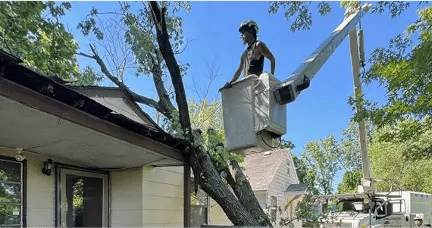
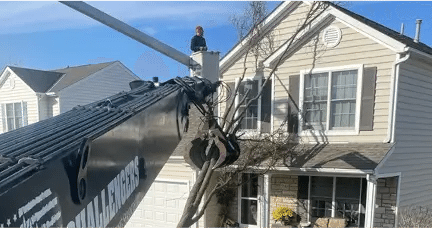
- Precision Tree Removal: For trees deemed unsafe, we perform controlled and safe removals. Our experienced crews use specialized equipment to minimize impact on your property, even in tight spaces or near structures.
- Strategic Trimming and Pruning: We provide expert trimming services to remove hazardous limbs, improve tree structure, and enhance overall health, reducing the risk of future failures.
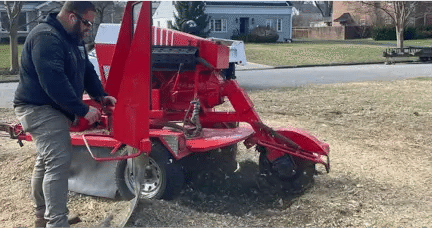
- Stump Grinding: After removal, we offer stump grinding services to eliminate tripping hazards and prevent pest infestations, leaving your yard clean and ready for new landscaping.
- Emergency Storm Cleanup: Central Ohio’s storms can be brutal. Challengers Tree Service offers prompt and reliable emergency response for storm-damaged trees, ensuring quick and safe debris removal.
- Customer Satisfaction: We pride ourselves on professionalism, expertise, and meticulous cleanup, as reflected in our numerous 5-star reviews. Our goal is to provide peace of mind through exceptional service.
Project Timelines
The time it takes to complete tree work can vary significantly based on the type of service, tree characteristics, and site conditions. Challengers Tree Service strives for efficiency and clear communication regarding timelines.
- Routine Tree Trimming: A standard trimming job for an average-sized tree might take a few hours to a full day, depending on the tree’s size and accessibility.
- Standard Tree Removal: Removing an average-sized tree with good access can often be completed within a day. Larger or more complex removals, particularly those near structures or power lines, might extend to two days.
- Stump Grinding: Typically, stump grinding is a quick process, often completed within an hour or two per stump, depending on size and number.
- Emergency Response: For emergency storm cleanup, Challengers Tree Service aims for the fastest possible response, often within hours for critical hazards, though full cleanup might take longer depending on the extent of damage and crew availability.
- Permit Acquisition: If a permit is required for work on public trees, this process can add several weeks to the overall timeline, as it involves application and approval from the Columbus Recreation and Parks Department – Urban Forestry Division. We guide clients through this process.
Preventative Measures and Expert Tips for Tree Health
Preventative measures and expert tips can significantly enhance tree health and reduce the likelihood of hidden dangers developing. Proactive care is always more effective and less costly than reactive emergency services.
- Regular Professional Inspections: Schedule annual assessments with a Professional Arborist from Challengers Tree Service. Early detection of issues like internal decay or disease can prevent major problems.
- Proper Pruning: Have trees professionally pruned to remove dead, diseased, or crossing branches. Correct pruning improves tree structure, reduces wind resistance, and promotes overall health. Avoid ‘topping’ trees, which severely stresses them.
- Adequate Watering: Ensure your trees receive sufficient water, especially during dry spells or for newly planted trees. Deep watering encourages robust root growth.
- Mulching: Apply a 2-4 inch layer of organic mulch around the base of trees, keeping it a few inches away from the trunk. Mulch conserves moisture, regulates soil temperature, and suppresses weeds.
- Soil Health: Maintain healthy soil conditions. Avoid compacting soil around tree roots and consider soil aeration or fertilization if nutrient deficiencies are suspected.
- Pest and Disease Management: Be vigilant for signs of common Ohio tree diseases or pest infestations. Early intervention is critical to control their spread and impact.
- Avoid Root Damage: Protect tree roots from construction activities, heavy equipment, and excessive digging. Root damage severely compromises a tree’s stability and health.
- Post-Storm Checks: After severe weather, visually inspect your trees for any new cracks, hanging limbs, or signs of instability that might not be immediately obvious. A professional check is highly recommended.
- Planting the Right Tree in the Right Place: Choose tree species appropriate for your local climate and soil conditions, considering their mature size and potential impact on structures and utility lines.
Frequently Asked Questions
How can a tree look healthy but still be unsafe?
Trees can look fine on the outside but hide serious issues like internal decay, root damage, or structural weaknesses. These problems often develop slowly and aren’t visible until they become critical. An arborist uses specialized tools and knowledge to spot these hidden dangers, ensuring your property remains safe.
What are the key indicators of a hidden tree danger?
Common signs include fungal growth on the trunk or roots, deep cracks, excessive leaning, dead branches in the upper canopy, or a hollow sound when tapping the trunk. Changes in bark texture, unusual sap oozing, or significant insect activity can also point to internal problems.
What’s the average cost for professional tree removal in Columbus, OH?
For smaller trees (under 30 feet), removal might cost $150-$400. Medium trees (30-60 feet) typically range from $400-$800, while large trees (60-100 feet) can cost $900-$1200. These figures are averages for the Columbus, OH area; complex jobs cost more.
Do I need a permit for tree removal or trimming in Columbus, OH?
Yes, permits are generally not needed for work on private property trees unless roots affect public areas or the tree itself is public. Work on public trees always requires a permit from the Columbus Recreation and Parks Department – Urban Forestry Division.
How do local climate and weather affect tree safety in Central Ohio?
Absolutely. Central Ohio’s weather, including spring thunderstorms and heavy snow, significantly impacts tree health and stability. Climate change also brings shifts in species ranges and increased pest/disease vulnerability. Regular inspections help mitigate these risks.
How quickly can Challengers Tree Service respond to emergency tree situations?
While Challengers Tree Service aims for a quick response, emergency services, especially after storms, can vary. Factors like storm severity, demand, and safety considerations affect the timeline. We prioritize emergency calls to address immediate hazards effectively.
Conclusion
Ensuring the safety of your property and loved ones starts with understanding that looks can be deceiving when it comes to tree health. Hidden dangers are real, and identifying them often requires a professional eye. Don’t wait for a storm to reveal a problem; proactive assessment saves money and prevents disaster. If you suspect an issue or simply want peace of mind, contact Challengers Tree Service today for an expert evaluation. Our team in Grove City, OH, serves the greater Columbus area, ready to provide the professional, safe, and meticulous service you deserve.