
If you have an old tree stump left behind after a removal, stump grinding is usually the fastest and most practical way to get rid of it. In Columbus, stump grinding costs typically fall between $75 and $600 per stump, with most homeowners paying somewhere in the $150 to $450 range for a standard job.
The exact price depends on a few key factors, including the size of the stump, how easy it is for equipment to access your yard, the type of tree, and whether you want the stump ground deeper below the surface. In the sections below, we’ll break down what actually affects stump grinding costs in Columbus so you know what to expect before scheduling service.
What Is Stump Grinding and How Does It Work
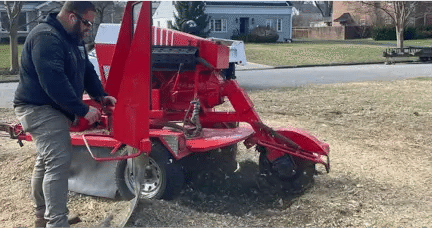
Stump grinding uses a specialized machine with a rotating cutting wheel to break down the remaining tree stump into small wood chips. The machine grinds the stump several inches below ground level, typically between six and twelve inches deep. This process eliminates the visible portion of the stump and enough of the root system to prevent regrowth.
The grinder operator moves the cutting wheel back and forth across the stump, gradually reducing it to mulch. The depth depends on what you plan to do with the area afterward. If you want to plant grass, the technician grinds deeper to allow for proper soil coverage. If you’re planning to plant another tree in the same spot, they may need to remove more of the root system.
Professional equipment makes a significant difference in results. Commercial stump grinders have more power, better maneuverability, and sharper teeth than rental machines. A skilled operator can grind a medium-sized stump in thirty to sixty minutes, depending on complexity.
The process creates a pile of wood chips and sawdust. Most tree service companies leave these chips on site unless you request removal. You can use the chips as mulch in flower beds or have them hauled away if you prefer a clean slate.
Factors That Affect Stump Grinding Cost
Multiple variables determine what you’ll pay for stump grinding services. Understanding these factors helps you get accurate estimates and compare quotes from different companies.
- Stump diameter is the most significant factor. Professionals measure the diameter at ground level, not at the cut surface. A wider stump requires more grinding time, more wear on equipment, and more fuel consumption. Small stumps under twelve inches in diameter process quickly. Large stumps over thirty inches can take several hours.
- Root system complexity affects labor time and difficulty. Some trees develop shallow, spreading root systems while others send down deep taproots. If visible roots extend far from the main stump, the technician needs to grind those as well. Pine stumps often have extensive surface roots that add time to the job.
- Age and condition of the stump change the grinding dynamics. Fresh stumps contain more moisture and grind smoothly. Stumps that have sat for years become harder and more brittle. Decayed stumps may seem easier, but they can hide rocks or debris that damage grinder teeth.
- Location and accessibility create practical challenges. A stump in an open front yard with easy access costs less than one tucked behind a fence in a tight backyard. Technicians may need to use smaller equipment or carry tools over longer distances, which increases labor time. Sloped terrain adds difficulty and safety concerns.
- Soil conditions around the stump matter more than most homeowners realize. Rocky soil wears down grinder teeth faster. Sandy soil processes easily. Clay soil can clog equipment and slow progress. If the previous tree grew in soil with high rock content, expect the work to take longer.
- The number of stumps affects pricing through volume considerations. Grinding five stumps on the same property costs less per stump than grinding one stump at five different addresses. The efficiency of working multiple stumps in sequence reduces setup time and travel costs.
- Tree species determine wood hardness and grinding difficulty. Oak, hickory, and walnut are dense hardwoods that take longer to grind than softer species like pine, willow, or poplar. The technician needs to make more passes and replace teeth more frequently when working with hardwoods.
- Grinding depth requirements vary based on your plans for the area. Standard grinding goes six to eight inches below grade. Deeper grinding to twelve inches or more costs more due to additional time and equipment wear. If you’re installing a pool, building a structure, or planting a new tree, deeper grinding prevents future problems.
What Makes a Stump Grinding Job Simple or More Expensive
| Factor | Low Complexity | Moderate Complexity | High Complexity |
|---|---|---|---|
| Stump Diameter | Under 12 inches | 12–24 inches | Over 24 inches |
| Root System | Single taproot | Moderate spreading | Extensive surface roots |
| Stump Age | 1–3 months old | 3–12 months old | Over 1 year old |
| Accessibility | Open front yard | Side access | Fenced or tight backyard |
| Soil Type | Sandy or loamy | Average topsoil | Rocky or clay-heavy |
| Tree Species | Pine, cedar, willow | Maple, ash, elm | Oak, hickory, walnut |
| Grinding Depth | 6–8 inches | 8–12 inches | Over 12 inches |
| Debris Removal | Chips left on site | Spread across the yard | Full cleanup/removal |
Safety Considerations for Stump Removal
Stump grinding involves powerful rotating equipment that demands respect and proper safety protocols. Professional tree service companies follow strict safety standards to protect workers, property, and bystanders.
- Equipment hazards include the rotating cutting wheel, flying debris, and noise levels that can damage hearing. Operators wear safety glasses, hearing protection, steel-toed boots, and protective clothing. The grinder can throw wood chips, rocks, and soil up to twenty feet in any direction. Professionals set up barriers and clear the area before starting work.
- Underground utilities pose the most serious safety risk. Gas lines, electrical cables, water pipes, and fiber optic lines often run through yards at shallow depths. Even with utility locating services, some lines may not appear on official maps. Experienced operators watch for signs of utilities and stop immediately if they encounter unexpected resistance.
- Property damage prevention requires careful planning. Grinders can damage sprinkler systems, landscape lighting, decorative borders, and underground drainage systems. Mark these features clearly before work begins. Low-hanging branches, nearby structures, and parked vehicles need protection from flying debris.
- Children and pets must stay inside during grinding operations. The noise frightens animals, and the flying debris creates injury risks. Establish a safety perimeter of at least thirty feet around the work area. Wait until the crew completes the work and cleans up before allowing kids or pets back outside.
Professional companies carry liability insurance and workers’ compensation coverage. Verify insurance before hiring any tree service. A homeowner using rental equipment assumes all liability for injuries and property damage. According to the U.S. Consumer Product Safety Commission, thousands of people visit emergency rooms each year due to chainsaw and stump grinder injuries, with most incidents involving inexperienced operators.
When to Call a Professional Tree Service
Certain situations require professional expertise rather than DIY attempts. Recognizing when to call experts saves time, prevents injuries, and ensures proper results.
- Large stumps over eighteen inches in diameter exceed the capabilities of rental equipment. Professional grinders have the power and cutting capacity to handle these efficiently. What takes a homeowner days to grind takes professionals hours with the right equipment.
- Multiple stumps on your property benefit from professional bulk pricing. The per-stump rate decreases when you schedule several removals at once. Professionals also complete the work faster, minimizing disruption to your daily routine.
- Stumps near structures, utilities, or landscaping require careful maneuvering and experienced judgment. Professionals know how to work around obstacles without causing damage. They understand appropriate buffer zones and can adjust grinding depth based on proximity to foundations, driveways, and underground systems.
- Difficult access situations like stumps behind houses, on steep slopes, or in fenced yards need specialized equipment and techniques. Professional companies own various grinder sizes and can select the appropriate machine for your specific situation.
- Time-sensitive projects such as preparing for new construction, completing real estate transactions, or scheduling landscape installations benefit from professional efficiency. Tree service companies like Challengers Tree Service coordinate timing with your other contractors and complete work according to your deadlines.
- Safety concerns about equipment operation, physical capability, or property protection justify professional help. If you’re uncomfortable operating powerful machinery or unsure about potential hazards, hiring experts provides peace of mind.
Frequently Asked Questions
How long does stump grinding typically take?
Most residential stumps take between thirty minutes and two hours to grind completely. Small stumps under twelve inches may take only fifteen to twenty minutes, while large stumps over thirty inches can require three to four hours. Multiple stumps on the same property process faster per stump due to reduced setup time between removals.