Trees add beauty and value to any property, but a structurally failing tree can quickly turn from an asset into a serious hazard. Ignoring the subtle or obvious warning signs can lead to property damage, injury, or even fatalities. Knowing what to look for can make all the difference, allowing you to take action before a catastrophic fall occurs.
Key Takeaways
- Early detection of tree failure signs prevents significant property damage and ensures safety.
- Key indicators include leaning, cracked soil, trunk decay, root damage, and dead branches.
- Local factors in Columbus, OH, like specific pests (Emerald Ash Borer) and weather patterns, increase tree vulnerability.
- Professional assessment by experienced tree care professionals is crucial for accurate diagnosis and safe intervention.
- Proactive care is a cornerstone of the Columbus Urban Forestry Master Plan (UFMP), which aims to reach a 40% citywide tree canopy by 2050. Investing in the health of existing mature trees is the most effective way to prevent the net canopy losses the city hopes to stop by 2030.
What Is Structural Tree Failure?
Structural tree failure happens when a tree’s physical integrity is compromised, making it unable to support its own weight or withstand environmental stressors like wind and ice. This can result from internal decay, disease, pests, root damage, or poor structure, leading to partial or complete collapse.
Critical Signs of a Structurally Failing Tree
Identifying these critical signs early is crucial for preventing potential dangers. Many trees show clear indicators of distress long before they completely fail.
Leaning and Soil Instability
A tree that suddenly develops a noticeable lean or shows an increasing tilt is often a strong indicator of a compromised root system. This instability can quickly lead to a full collapse.
- Sudden Lean: A rapid change in the tree’s angle, especially after a storm.
- Uplifted Soil: Cracks, heaving, or mounding of soil around the base, indicating roots are pulling away.
- Exposed Roots: Roots visibly lifting out of the ground on the opposite side of the lean.
Trunk and Branch Integrity Issues
The trunk and major branches are the tree’s backbone. Any significant damage or decay here severely weakens the entire structure.
- Deep Cracks or Splits: Vertical cracks in the main trunk or large limbs, especially those extending deep into the wood.
- Hollow Spots or Cavities: Areas where wood has decayed, creating hollow spaces. This significantly reduces load-bearing capacity.
- Fungal Growth: Mushrooms, conks, or other fungi growing on the trunk or major branches often signal internal wood decay.
- Swelling or Bulges: Unusual swelling in the trunk or at branch attachments can indicate internal decay or weak unions.
- Weak Branch Unions: Branches that form a tight ‘V’ shape rather than a ‘U’ are prone to splitting under stress.
Root System Compromise
A tree’s stability relies entirely on its root system. Damage below ground can be harder to spot but is just as dangerous.
- Severed or Damaged Roots: Roots cut during construction or landscaping, reducing the tree’s anchoring.
- Root Rot: Often caused by poor drainage or overwatering, leading to soft, decaying roots. Look for fungal growth at the base.
- Girdling Roots: Roots that grow around the trunk, strangling the tree and weakening its base over time.
Canopy Health and Dieback
The crown of the tree offers visible clues about its overall health and structural integrity. A dying canopy can signal systemic issues.
- Dead or Dying Branches: Numerous dead, brittle, or discolored branches, particularly in the upper canopy.
- Sparse Foliage: A canopy that appears thin or has significantly fewer leaves than normal for the species and season.
- Leaves Out of Season: Premature leaf drop or discoloration can indicate stress or disease.
Local Factors Accelerating Tree Failure in Columbus, OH
Trees in the Columbus, OH area face unique environmental challenges that can accelerate structural failure. Understanding these local factors helps in proactive tree care.
Common Pests and Diseases
Ohio’s trees are susceptible to several aggressive pests and diseases that directly compromise their structural integrity.
- Emerald Ash Borer (EAB): This invasive beetle has devastated ash trees across Ohio, including Columbus. EAB infestations lead to canopy dieback and brittle wood, making ash trees highly prone to sudden failure.
- Dutch Elm Disease (DED): A fungal disease that clogs the tree’s vascular system, causing rapid wilting and death in elm trees. Infected trees become structurally weak.
- Oak Wilt: A serious fungal disease affecting oak species, leading to rapid defoliation and death. Compromises wood integrity.
- Thousand Cankers Disease: Affects black walnut trees, carried by the Walnut Twig Beetle. Causes cankers and eventual tree death, weakening the structure.
- Root Rot: Common in areas with poor drainage or excessive watering, especially in dense urban soils, leading to root system collapse.
Weather and Environmental Stressors
The climate and urban environment of Columbus also play a significant role in tree health and stability.
- Strong Winds and Storms: Columbus experiences severe thunderstorms, especially in spring and summer. Wind is the primary cause of tree failure, and weakened trees are particularly vulnerable.
- Urban Heat Island Effect: Columbus is a significant urban heat island. Higher temperatures stress trees, making them more susceptible to disease and decay.
- Drought and Flooding: Fluctuations between dry spells and heavy rains can stress root systems, leading to instability or root rot.
- Soil Compaction: In urban settings, compacted soil restricts root growth and water absorption, weakening the tree’s foundation.
Why Early Detection Matters: Risks and Benefits
Ignoring the signs of a failing tree isn’t just risky; it can be incredibly costly. Early detection and intervention safeguard lives, property, and your finances.
Safety Hazards and Property Damage
The most immediate concern with a failing tree is the potential for injury alongside significant property damage.
- Injuries: Beyond fatalities, countless injuries occur annually from falling branches or trees.
- Property Destruction: A falling tree can crush vehicles, damage homes, fences, and utility lines, leading to expensive repairs and insurance claims.
- Liability: As a homeowner, you could be liable for damages or injuries caused by a failing tree on your property.
Financial Implications and Property Value
Beyond safety, a healthy tree contributes to your property’s value and overall economic well-being, while a failing one can become a financial burden.
- Increased Property Value: Healthy, mature trees can boost property values by as much as 20%. Removing a healthy tree or having a damaged one can reduce this value.
- Mitigation of Urban Heat Island: Trees provide shade, reducing energy costs for cooling homes in Columbus, which experiences a notable Urban Heat Island effect.
- Stormwater Management: Healthy trees help absorb stormwater, reducing runoff and potential flooding, which can prevent property damage.
DIY Assessment vs. Professional Arborist: A Comparison
When you notice signs of tree distress, deciding whether to handle it yourself or call a professional is critical. For anything beyond minor pruning, professional help is always recommended.
| Feature | DIY Assessment | Professional Arborist |
| Expertise | Limited knowledge based on visual observation | Professional tree assessment experience with advanced arboriculture training |
| Tools | Visual inspection and basic pruning tools | Advanced diagnostic tools such as resistance drills, sonic tomography, and safety equipment |
| Safety | Higher risk of injury or property damage | Trained crews follow strict safety procedures and use professional equipment |
| Accuracy | May miss hidden decay, disease, or root problems | Accurate diagnosis of internal decay, structural issues, and tree diseases |
| Liability | Homeowner assumes full responsibility for injury or damage | Professional companies carry insurance that protects the property owner |
The Professional Approach: How Challengers Tree Service Helps
At Challengers Tree Service, we understand the nuances of tree health in the Columbus, OH area. Our approach is thorough, safety-focused, and tailored to your specific needs.
Comprehensive Tree Assessment
Our experienced tree care professionals conduct detailed evaluations to uncover hidden issues that might not be obvious to the untrained eye. This assessment is the foundation of any effective tree care plan.
- Visual Inspection: A thorough examination of the entire tree, from roots to canopy.
- Diagnostic Testing: Utilizing tools to detect internal decay, root health, and structural weaknesses.
- Disease and Pest Identification: Identifying specific threats common to Ohio trees, such as EAB or Oak Wilt.
- Risk Assessment: Evaluating the potential for failure and the likelihood of damage to property or people.
Tailored Solutions and Preventive Care
Once we understand the tree’s condition, we develop a plan that prioritizes its health and your safety.
- Strategic Pruning: Removing dead, diseased, or weak branches to improve structure and reduce risk.
- Cabling and Bracing: Installing support systems to reinforce weak limbs or trunks.
- Disease and Pest Management: Implementing treatments to combat specific threats.
- Root Collar Excavation: Addressing girdling roots or other root issues.
- Full Tree Removal: When a tree is beyond saving and poses an unacceptable risk, we perform safe and efficient removal.
Emergency Response and Safe Removal
For immediate threats or trees that have already failed, our team is ready to respond quickly and safely.
- 24/7 Availability: We’re here when you need us most, especially after severe storms.
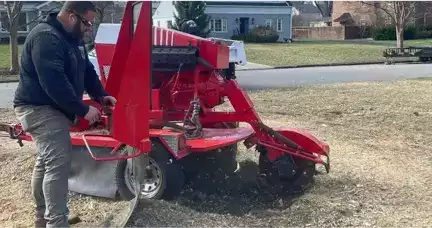
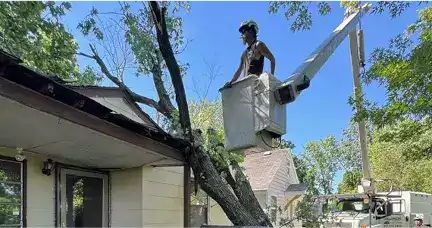
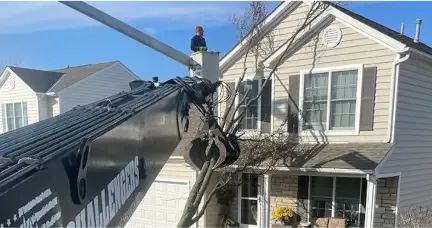
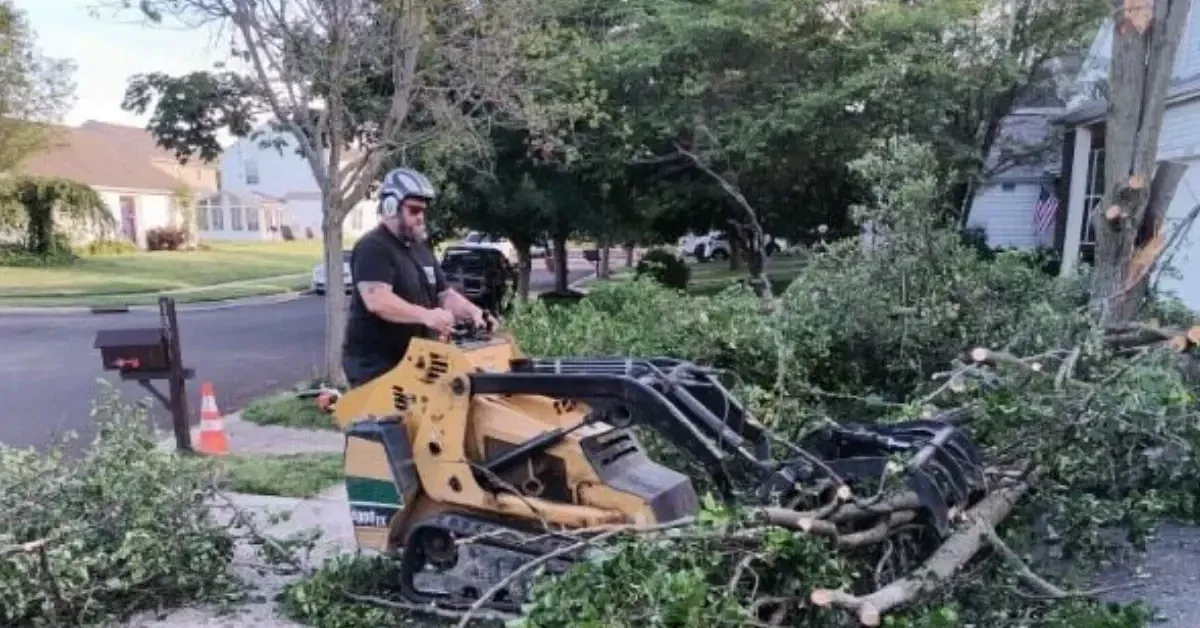
- Advanced Equipment: Utilizing specialized machinery for safe and efficient removal of large or dangerous trees.
- Experienced Crews: Our team is highly trained in complex and hazardous tree operations.
- Thorough Cleanup: We ensure your property is left clean and free of debris after the work is complete.
What to Do When You Spot Warning Signs
If you notice any of the warning signs, quick and careful action is essential. Do not delay in addressing a potentially dangerous tree.
Action Steps for Homeowners
- Maintain Distance: Keep people and pets away from the tree, especially during high winds or storms.
- Document Observations: Take clear photos and note visible changes such as leaning, cracked soil, or dead branches. This helps with professional evaluation.
- Contact a Professional: An experienced tree care professional can assess the situation and recommend the safest next steps.
- Avoid DIY Solutions: Do not attempt to prune or remove unstable branches or trees. Tree work is hazardous and requires proper training and equipment.
- Check for Permits: As of August 1, 2024, the City of Columbus Public Tree Code is strictly enforced. You must obtain a Forestry Permit before performing any work, including pruning or root-zone disturbance, on a public street tree or any specimen located within the city right-of-way.
Frequently Asked Questions
Does a leaning tree always mean it’s failing?
A leaning tree, especially if it develops suddenly, often indicates root instability. If the lean is significant or rapidly worsening, it suggests the tree’s anchoring system is compromised, and it’s at high risk of falling.
Can I assess a tree’s structural integrity myself?
DIY assessment is good for initial observation, but a professional arborist uses specialized tools and knowledge to detect internal decay, root issues, and structural weaknesses not visible to the untrained eye. This ensures a comprehensive and accurate evaluation.
Do I need a permit to remove a tree in Columbus, OH?
Yes, in Columbus, a permit is required for any work on public trees (e.g., street trees). An experienced arborist usually applies for these. For private property, permits aren’t typically needed unless public trees are impacted.
Why is maintaining healthy trees important?
Trees provide numerous benefits, including increased property value, shade, improved air quality, and stormwater management. Healthy trees contribute significantly to the urban environment and can even reduce energy costs.
What are the most urgent signs of tree failure?
Look for cracked soil around the base, visible fungal growth on the trunk or roots, large dead branches, or significant cracks in the trunk. These are all strong indicators of underlying issues that need attention.
Protect Your Property by Acting on Tree Failure Signs Early
Recognizing the signs of structural tree failure early helps reduce risk and prevent unexpected damage. Acting before a storm or high winds gives you more control and safer options. A professional evaluation can clarify whether a tree can be stabilized or needs removal, helping protect your property and the people around it.