Trees are among the most valuable assets on any property in Columbus and across Ohio. They provide shade, beauty, and ecological benefits, but they also need regular care to remain safe and healthy. Homeowners often hear two terms when it comes to tree maintenance: limb removal and pruning. While they might sound similar, these practices serve very different purposes. Understanding the difference is not just about terminology; it’s about protecting your property, improving tree health, and ensuring long-term safety.
This comprehensive guide will walk you through what tree limb removal and pruning mean, how they differ, why each is important, when to use them, and how professionals like Challengers Tree Service can help you keep your trees in top condition.
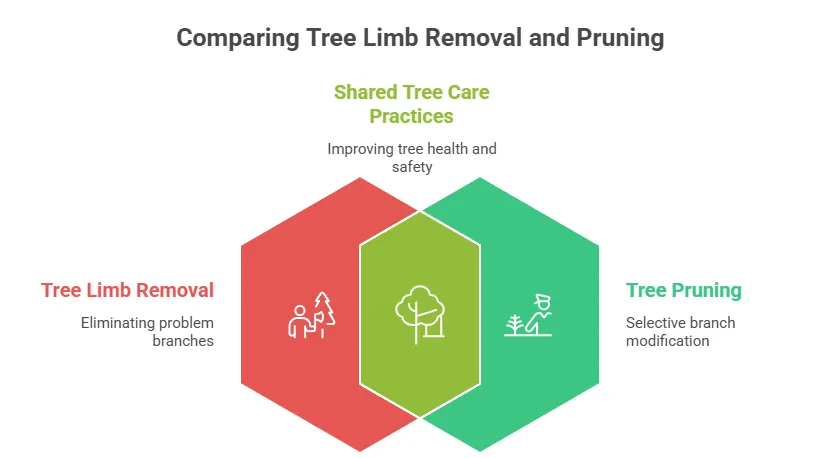
What is Tree Limb Removal?
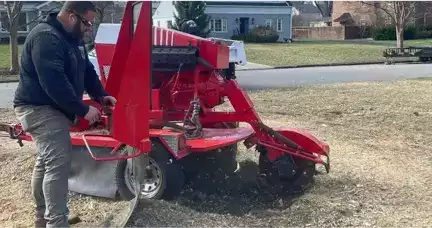
Tree limb removal refers to the cutting away of larger, often problematic branches (commonly over 4–6 inches in diameter). This process is typically more intensive than pruning and may involve specialized equipment. It is usually done for safety reasons or to protect nearby structures.
Examples of when limb removal is needed:
- A heavy branch is hanging over your roof, driveway, or power lines.
- A storm has broken a limb, leaving it dangling dangerously.
- A diseased or dead branch threatens the rest of the tree.
- Large branches obstruct construction, fencing, or landscaping work.
- Limbs grow too close to chimneys, siding, or windows.
- Roots and limbs interfere with utility lines or drainage systems.
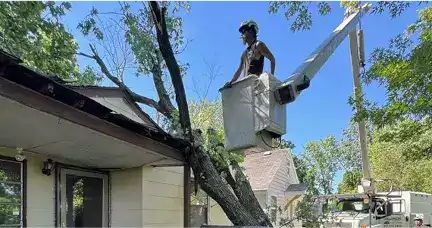
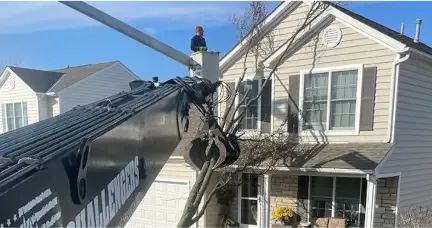
Limb removal is considered more urgent than pruning because it addresses immediate risks. In some cases, cranes or bucket trucks may be required, especially when dealing with very large trees or difficult angles. Unlike routine pruning, limb removal is more about preventing disaster than shaping the future of the tree.
What is Tree Pruning?
Pruning is the selective trimming of smaller branches, twigs, or stems to promote tree health, shape, and growth. It is one of the most important practices in tree care, aimed at ensuring long-term vitality and reducing future risks. Instead of emergency action, pruning is part of routine maintenance.
Key goals of pruning include:
- Improving air circulation and sunlight penetration.
- Encouraging strong branch structure and reducing weak unions.
- Removing weak, crossing, or rubbing branches.
- Enhancing appearance and landscape value.
- Reducing the likelihood of future storm damage.
- Supporting fruit production for fruit-bearing trees.
- Controlling the overall size and growth direction of the tree.
Unlike limb removal, pruning is usually scheduled seasonally or annually. In most cases, pruning is carried out during the dormant season (late winter or early spring) to minimize stress on the tree and maximize growth in the spring. That said, timing can vary depending on the species, for example, spring-flowering trees may be best pruned after they bloom.
Why Are Limb Removal and Pruning Important?
Both practices serve different yet complementary roles in maintaining trees:
- Limb Removal ensures safety by preventing accidents, property damage, or tree failure.
- Pruning ensures long-term health by allowing the tree to grow stronger and more balanced.
Without proper maintenance, trees can become dangerous liabilities. A limb falling on a home, vehicle, or power line can cost thousands of dollars in repairs. Similarly, neglecting pruning can lead to poor branch structure, making trees more susceptible to diseases and storm damage.
In short, limb removal is about addressing immediate threats, while pruning is about preventing them in the future.
Key Differences Between Limb Removal and Pruning
| Factor | Limb Removal | Pruning |
|---|---|---|
| Purpose | Safety and hazard mitigation | Health, growth, and appearance |
| Scope | Larger branches (over 4–6 inches in diameter) | Smaller branches and twigs |
| Timing | Often urgent, after storms or hazards | Seasonal or scheduled maintenance |
| Tools | Chainsaws, climbing gear, cranes if needed | Hand pruners, loppers, small saws |
| Risk | High, due to weight and height of limbs | Moderate, usually less dangerous |
| Cost | Higher, due to equipment and urgency | Lower, part of maintenance schedule |
Common Misconceptions
- “Pruning and limb removal are the same thing.”
Not true. Pruning is proactive, while limb removal is reactive. - “Any branch can be cut at any time.”
Wrong. Cutting at the wrong season or wrong angle can harm the tree. - “Removing limbs doesn’t affect the tree’s health.”
In fact, large cuts expose the tree to decay and pests. That’s why limb removal should always be done by a professional. - “DIY tree work is safe if I have the right tools.”
Tree care is one of the most dangerous professions in the U.S. Without training and safety equipment, homeowners risk serious injury.
Best Practices for Limb Removal
- Always hire certified arborists for large or dangerous limb removals.
- Never attempt to cut branches near power lines yourself—contact utility companies or professionals.
- Use proper safety equipment, including helmets, ropes, and harnesses.
- Make clean cuts to minimize wound size and avoid tearing bark.
- Treat removal as a last resort—when pruning cannot solve the issue.
- Consider aftercare, such as mulching and monitoring for pests, to reduce stress on the tree.
Best Practices for Pruning
- Prune during the dormant season (late winter or early spring) for best results, but adjust timing for specific species.
- Follow the ANSI A300-2023 pruning standards for correct technique.
- Avoid topping (cutting main leaders flat), which weakens trees and creates long-term hazards.
- Focus on removing diseased, dead, or damaged wood first.
- Thin crowded canopies to improve light and airflow.
- Balance safety, tree health, and aesthetics in every cut.
- Revisit trees every 2–5 years, depending on species, age, and condition.
Tree Limb Removal and Pruning in Columbus, OH
In Columbus, storms, heavy winds, and ice are common causes of limb failures. These events often leave homeowners facing immediate dangers, requiring quick intervention. At the same time, the region’s diverse tree species from maples and oaks to ornamental cherries—benefit greatly from seasonal pruning.
Challengers Tree Service offers:
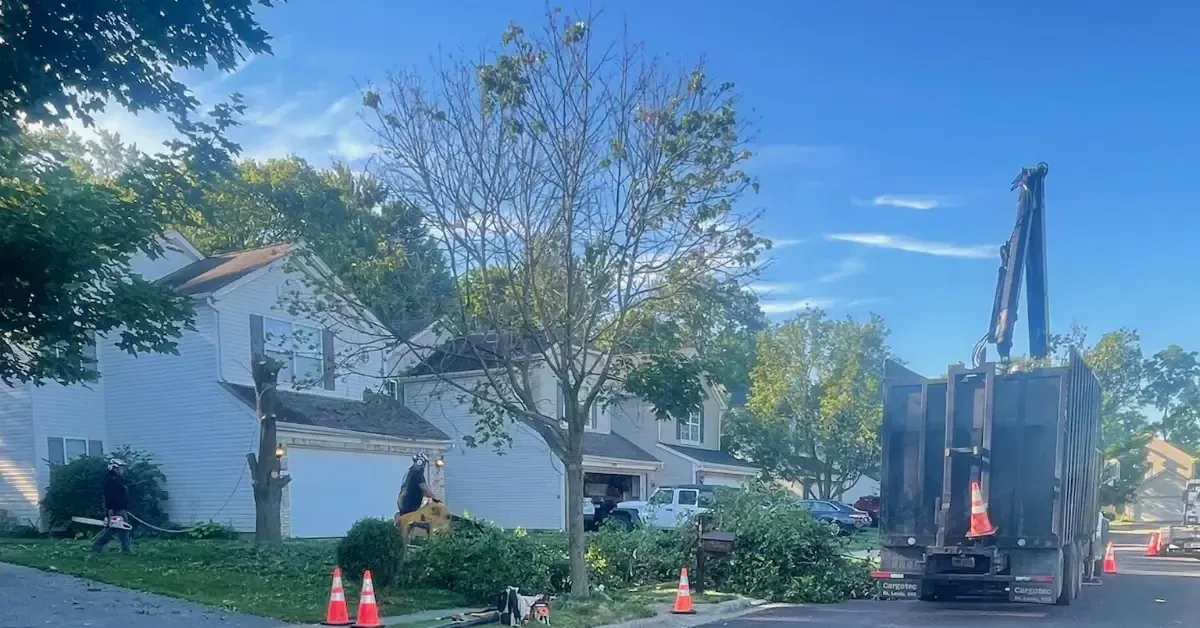
- Emergency tree limb removal after storms.
- Preventive pruning programs to keep trees strong year-round.
- Risk assessments and health evaluations by Arborists.
- Service across Columbus neighborhoods, from Clintonville to Bexley, Worthington, Dublin, and beyond.
With professional arborists and fully insured crews, we follow both ANSI Z133 safety standards and ANSI A300-2023 pruning guidelines.
Key Advantages of Professional Tree Care
- Property Value: Studies show that healthy, well-maintained trees can boost property values by as much as 10–20%, depending on the market and neighborhood (source: ISA, TCIA).
- Energy Savings: Research indicates that strategic pruning improves shade placement, which can reduce cooling costs in summer (source: U.S. Department of Energy).
- Neighborhood Safety: Professional care reduces the chance of falling branches affecting sidewalks and streets.
- Environmental Impact: Healthy trees improve air quality, store carbon, and support wildlife habitats.
Frequently Asked Questions
What is the main purpose of tree limb removal?
Tree limb removal addresses immediate safety hazards, such as broken or overhanging branches threatening people, structures, or power lines.
How much does tree limb removal cost in Columbus, OH?
Costs vary based on tree size, limb height, and complexity. Many homeowners report average prices in the range of several hundred dollars per limb, with emergency storm removals often costing more. Always request a professional estimate for accuracy.
What is the difference between pruning and trimming?
Pruning focuses on health and structure, while trimming is typically cosmetic, aimed at shaping hedges or smaller plants. Note that terminology varies regionally some use “trimming” as a general term for both.
Can I prune my own trees?
You can prune small, low branches safely. For large limbs or high branches, always hire a professional to avoid accidents and tree damage.
How often should trees be pruned in Columbus?
Most trees benefit from pruning every 2–5 years, depending on species, age, and condition. Fast-growing or urban trees may need more frequent attention.
Will removing limbs hurt the tree?
When done correctly by certified arborists, limb removal protects the tree from further damage. However, excessive or improper cuts can weaken it.
Lasting Lessons for Tree Care
Tree limb removal and pruning may sound similar, but they serve distinct roles in tree care:
- Limb Removal: Emergency action for safety and immediate hazards.
- Pruning: Planned care for long-term health, structure, and aesthetics.
When storms strike or your trees need seasonal maintenance, rely on Challengers Tree Service. Their certified experts provide safe, insured, and professional care across Columbus, helping you protect both your trees and your property.
📞 Call Challengers Tree Service in Columbus today to schedule your consultation and keep your landscape safe, beautiful, and thriving.