
Landscaping in Columbus, Ohio, comes with unique challenges. Summers can be humid and hot, winters are cold, and the soil varies from clay-heavy to loamy. Choosing the best trees and shrubs for Columbus yards means selecting plants that can handle seasonal swings while offering beauty, shade, and curb appeal.
This guide highlights native and hardy species that thrive locally, reduce maintenance, and support Ohio’s ecosystem. It also provides practical advice, real homeowner insights, and simple care steps to make your yard not just survive, but truly thrive.
What Makes a Tree or Shrub “Best” for Columbus?
When selecting trees and shrubs for Central Ohio, consider these factors:
- Climate resilience: Can it handle freezing winters and humid summers?
- Soil adaptability: Columbus soil is often clay-heavy, which limits drainage.
- Low maintenance: Plants requiring little pruning, watering, or pest control thrive best.
- Native advantage: Ohio natives support pollinators, birds, and long-term sustainability.
- Longevity: Trees and shrubs that age gracefully reduce replacement costs.
Expert Tip: Always check planting locations for overhead lines, underground utilities, and property setbacks before planting. Planning well today saves expensive removals later.
Top Shade Trees for Columbus Homes
- Red Maple (Acer rubrum): Fast-growing, adaptable to clay soil, and stunning in fall, red maples are a classic choice. They provide quick shade and strong seasonal color. They also adapt to both wet and dry conditions, making them versatile for different yard types.
- Bur Oak (Quercus macrocarpa): Known for its longevity and wide canopy, the bur oak is drought-tolerant once established and attracts local wildlife. Its massive branches provide strong structure, and acorns feed squirrels and birds throughout the fall.
- Tulip Poplar (Liriodendron tulipifera): Ohio’s state tree grows tall with bright green leaves and tulip-shaped flowers. Best for larger yards due to its height, the tulip poplar is also valued for its fast growth and ability to host pollinators.
- Northern Red Oak (Quercus rubra): Another strong shade provider, the northern red oak thrives in Ohio soil and produces acorns that benefit local wildlife. Its fall foliage creates a dramatic red color across neighborhoods.
Best Ornamental Trees for Year-Round Interest
- Flowering Dogwood (Cornus florida): A four-season tree: spring blooms, summer shade, fall red leaves, and winter berries for birds. Dogwoods work well as specimen trees near patios or entryways.
- Eastern Redbud (Cercis canadensis): This small tree bursts with pink flowers in early spring, thrives in Ohio soil, and fits perfectly in modest-sized yards. Its heart-shaped leaves provide interest well into autumn.
- Serviceberry (Amelanchier): Provides early spring flowers, edible berries, and brilliant fall foliage: a multi-season star. Serviceberries also support pollinators and serve as an early food source for birds.
- Crabapple (Malus spp.): With hundreds of varieties, crabapples offer fragrant spring blooms, summer greenery, fall color, and winter fruit that birds love. Many newer cultivars resist disease and are well-suited for Ohio yards.
Evergreen Trees for Privacy and Structure
- Eastern White Pine (Pinus strobus): Fast-growing, soft needles, and effective as a windbreak or privacy screen. Its airy branches also allow filtered sunlight, preventing overly dense shade.
- American Holly (Ilex opaca): Adds year-round greenery and produces red berries that attract birds. Its dense foliage is excellent for natural fencing.
- Norway Spruce (Picea abies): Hardy and tolerant of Ohio winters, with dense branches perfect for screening. It establishes quickly and resists common regional pests.
- Arborvitae (Thuja occidentalis): Popular for narrow spaces, arborvitae provides thick coverage without taking up too much room. Works well in rows for hedging.
Checklist: Planting Evergreens Successfully
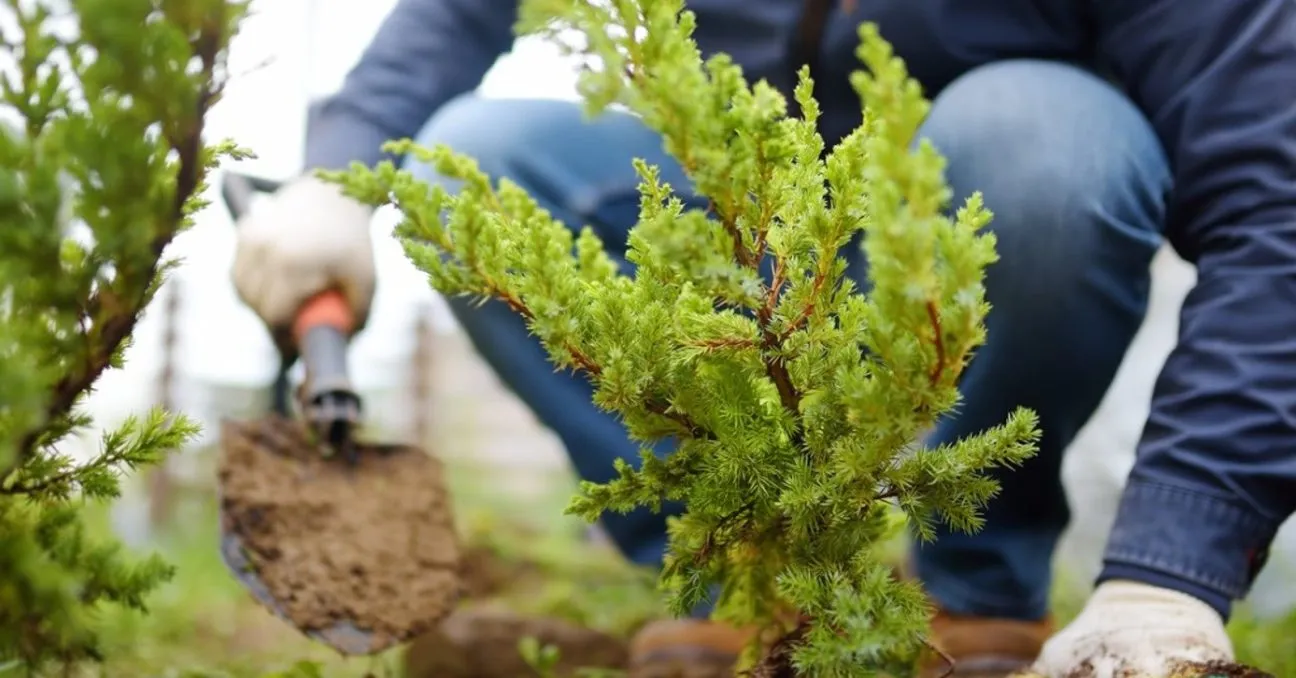
- Dig a hole twice as wide as the root ball
- Avoid planting too deep; keep root flare visible
- Water regularly for the first two years
- Mulch to retain soil moisture
- Provide spacing between trees to prevent disease spread
Best Shrubs for Columbus Landscaping
- Boxwood (Buxus): A timeless evergreen shrub for hedges and borders. Prefers partial sun and tolerates pruning. Ideal for structured, formal gardens.
- Viburnum (Viburnum dentatum): Native shrub with white spring flowers, bird-friendly berries, and vibrant fall color. It adapts well to different soil conditions.
- Hydrangea (Hydrangea arborescens ‘Annabelle’): A shade-tolerant shrub that blooms large, white clusters each summer. Perfect for adding brightness to shaded areas.
- Winterberry (Ilex verticillata): A deciduous holly that loses leaves in winter but keeps bright red berries, adding seasonal charm. Works well near water features.
- Ninebark (Physocarpus opulifolius): A tough native shrub with peeling bark, white flowers, and deep burgundy foliage in some cultivars. Provides multi-season texture.
- Spirea (Spiraea japonica): A colorful, low-maintenance shrub that blooms with pink flowers in summer. Great for mass plantings and borders.
Common Landscaping Challenges and Solutions
| Problem | Cause | What to Do |
|---|---|---|
| Poor drainage in clay | Heavy compacted soil | Plant-tolerant species like red maple or serviceberry |
| Winter dieback | Cold snaps and freeze-thaw | Choose hardy natives like oak or spruce |
| Pest issues | Non-native species susceptible | Select Ohio-native trees and shrubs |
| Lack of privacy | Sparse fencing or open yards | Use white pine, Norway spruce, or holly |
| Summer drought stress | Heat waves, inconsistent rain | Plant drought-tolerant options like bur oak or ninebark |
What Most People Get Wrong About Planting Trees in Columbus
Many homeowners assume any nursery tree will work in Ohio. In reality, choosing the wrong species leads to weak growth, high maintenance, and frequent replacements. For example, planting non-native ornamentals like Bradford pears often results in disease problems and storm damage.
Others overlook root space, putting fast-growing shade trees too close to driveways or foundations. Over time, this causes cracked pavement and costly repairs.
Better approach: Focus on natives and proven hardy species that fit your yard size and soil type. Always consider mature size and root spread before planting.
Getting Started With Landscaping: The Simple Way
- Assess your yard’s sun exposure and soil type.
- Decide on your priorities: shade, privacy, or decorative appeal.
- Start small with one or two versatile trees or shrubs.
- Add seasonal variety with flowering and evergreen shrubs.
- Work with a qualified arborist for long-term tree health.
- Create layers: tall shade trees, mid-sized ornamentals, and low shrubs for depth.
- Monitor for pests and soil moisture during the first three years.
Did You Know? Trees planted in the fall often establish roots more effectively than spring plantings, because cooler weather reduces stress and allows underground growth.
Common Questions People Ask
What are the fastest-growing trees in Columbus?
Red maple, tulip poplar, and Eastern white pine grow quickly in Central Ohio while still handling the climate well.
Which shrubs are best for low-maintenance yards?
Boxwood, viburnum, ninebark, and winterberry are reliable, low-care shrubs that thrive in Columbus’s soil and weather.
How can I improve clay-heavy soil before planting?
Incorporate organic matter like compost and avoid overwatering. Choosing species tolerant of clay, such as serviceberry or red maple, is also smart.
Are native plants really better?
Yes. Native trees and shrubs are adapted to local conditions, resist pests, and support Ohio pollinators and wildlife. They also require less fertilizer and watering over time.
What trees work best for small Columbus yards?
Eastern redbud, serviceberry, crabapple, and dogwood fit smaller spaces while providing seasonal interest.
How can I ensure new trees survive the first few years?
Water deeply once a week, mulch properly, and avoid damaging roots with lawn equipment. Consulting a tree care service helps ensure success.
Do I need a permit to plant a tree in Columbus?
Not usually for private yards, but check with the City of Columbus for rules if planting near sidewalks or streets.
Where can I get help maintaining my trees?
Local arborists, like Challengers Tree Service, provide pruning, health checks, soil improvement, and long-term care for trees and shrubs.
Final Thoughts
Choosing the right trees and shrubs for Columbus isn’t just about what looks good today. It’s about matching species to local climate and soil, planning for long-term growth, and ensuring year-round benefits. The right mix can provide shade, privacy, seasonal color, and habitat for local wildlife.
Diversity matters, too. A yard with a variety of healthy species is more resilient against pests, diseases, and unpredictable weather.
If you’re unsure which trees or shrubs are the best fit for your property, contact Challengers Tree Service in Columbus. Our team can recommend species that thrive in local conditions and help you plant with confidence, so your landscape stays beautiful and resilient for years to come.