Key Takeaways:
- Right Tree, Right Place: Success on narrow lots starts with selecting species with a columnar or upright growth habit.
- Early Structural Pruning: Training a young tree early prevents costly structural failures and clearance issues as it matures.
- Root Management: Using root barriers can protect foundations and sidewalks from damage in tight suburban spaces.
- Soil Health: Young trees in developments often struggle with compacted soil; aeration and mulching are critical for establishment.
- Proactive Monitoring: Regular checks for included bark and pests like Japanese Beetles ensure long-term canopy health.
In the rapidly expanding suburbs of Columbus, from the new builds in Hilliard to the established narrow lots of Clintonville, space is at a premium. Modern residential architecture often prioritizes larger interior square footage, leaving homeowners with narrow lots or strip yards that present a unique challenge for landscaping. We all want the benefits of a lush, green canopy: increased property value, lower cooling costs, and enhanced privacy. However, planting a tree in a confined space is a long-term commitment that requires strategic planning.
Managing young trees in these environments isn’t just about sticking a sapling in the ground and hoping for the best. It involves a sophisticated understanding of tree biology, local Columbus soil conditions, and the mechanical constraints of suburban infrastructure. Without proper management, a beautiful young tree can quickly become a liability, encroaching on power lines, lifting sidewalks, or compromising your home’s foundation. This article explores the essential strategies for fostering healthy tree growth on narrow suburban lots.
The Challenges of Narrow Lot Tree Planting
Suburban lots in Central Ohio often suffer from two primary issues: lack of physical space and poor soil quality. In many new developments, the topsoil has been stripped away during construction, leaving behind heavy, compacted clay that is difficult for young roots to penetrate.
Spatial Constraints and Clearance
On a narrow lot, you aren’t just managing the height of the tree; you are managing its drip line or spread. A tree that looks perfectly scaled at six feet tall might have a 30-foot spread at maturity. In a narrow side yard, that means branches will eventually press against your siding, overhang your neighbor’s roof, or obstruct the public right-of-way.
Underground Utilities
Columbus neighborhoods are a web of underground infrastructure. Gas lines, water mains, and fiber-optic cables often run through the very areas where trees are most desired. Young trees planted too close to these utilities risk having their root systems disturbed during future repairs, or conversely, the roots may infiltrate old sewer lines.
Species Selection: The Foundation of Success
The most common mistake Columbus homeowners make is choosing a tree based on its appearance at the nursery rather than its size at maturity. For narrow lots, the Right Tree, Right Place mantra is the difference between a landscape asset and a future removal project.
Columnar and Fastigiate Varieties
Botanists have developed specific cultivars designed for tight spaces. These are often labeled as columnar or fastigiate, meaning they grow tall and narrow rather than wide and spreading.
- Slender Silhouette Sweetgum: Unlike the traditional sweetgum, this variety stays incredibly narrow (about 6 feet wide) while reaching 30 feet in height.
- Armstrong Gold Maple: A great choice for Ohio’s climate, offering brilliant fall color with a very upright, narrow canopy.
- Kindred Spirit Oak: A hybrid that is highly resistant to powdery mildew and maintains a tight, columnar shape.
Small-Scale Flowering Trees
If height is also a concern (such as planting under power lines), consider small-stature trees like the Serviceberry or certain cultivars of Redbud. These provide the aesthetic benefits of a larger tree without the aggressive root systems or massive canopies.
Structural Pruning: Training for the Future
Structural pruning is perhaps the most overlooked aspect of young tree care. Most people wait until a tree is big enough to notice before they call a professional. By then, the tree may have developed poor architecture that is difficult to correct.
The Importance of a Central Leader
For most species on narrow lots, maintaining a single central leader (the main upward-growing trunk) is vital. If a tree develops co-dominant stems (two trunks of equal size), it creates a weak point called included bark. In the heavy wind or ice storms common to Central Ohio, these trees are the most likely to split.
Developing Clearance Early
Young trees should be limbed up gradually. This involves removing the lowest branches over several years to create clearance for pedestrians and lawnmowers. On a narrow lot, this also helps keep the canopy above the roofline of the home, reducing the risk of branches rubbing against shingles and causing moisture traps or physical damage.
Thinning for Wind Resistance
In suburban wind tunnels created by rows of houses, a dense canopy acts like a sail. Strategic thinning of the inner branches allows wind to pass through the tree rather than pushing against it, significantly reducing the risk of the young tree leaning or uprooting during a summer storm.
Managing Root Systems in Tight Spaces
Roots generally extend 1.5 to 3 times the width of the tree’s canopy. In a narrow lot, this means roots will inevitably encounter your driveway, the sidewalk, or your foundation.
Root Barriers
If you must plant a tree within ten feet of a structure, a root barrier is a worthwhile investment. These are high-density plastic sheets buried vertically in the ground between the tree and the structure. They force roots to grow downward rather than outward, protecting your concrete from heaving.
Soil Aeration and Compaction
The heavy clay in Columbus packs down easily, depriving roots of oxygen. For young trees, vertical mulching or air-spading can help break up the soil. This encourages the roots to grow deep rather than staying near the surface, where they are more likely to cause sidewalk damage.
Soil Health and Establishment in Columbus
Central Ohio soil is notoriously alkaline and heavy. Young trees need a boost during their first three to five years to ensure they survive the transition from the nursery to the suburban yard.
Proper Mulching Techniques
Mulch is the best friend of a young tree, provided it is applied correctly. You should aim for a donut shape, not a volcano. Mulch piled against the trunk traps moisture and encourages rot and pest entry. A 2–3-inch layer of organic wood chips out to the drip line helps regulate soil temperature and retain moisture during Ohio’s humid summers.
Supplemental Watering
A newly planted tree requires roughly 10 gallons of water per inch of trunk diameter, once or twice a week. In many suburban developments, runoff is high, and the water may not reach the root ball. Using Gator Bags or slow-release watering rings ensures the water penetrates deep into the soil. Ensuring the health and longevity of your young trees requires a partner who understands the unique environmental pressures of Central Ohio.
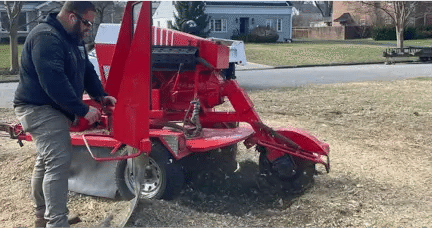
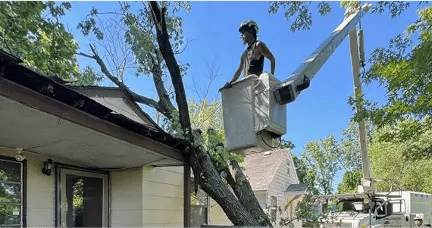
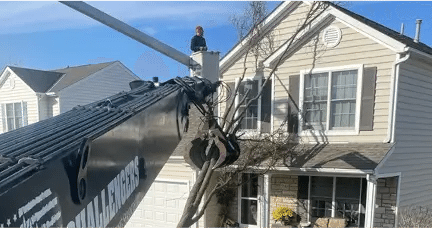
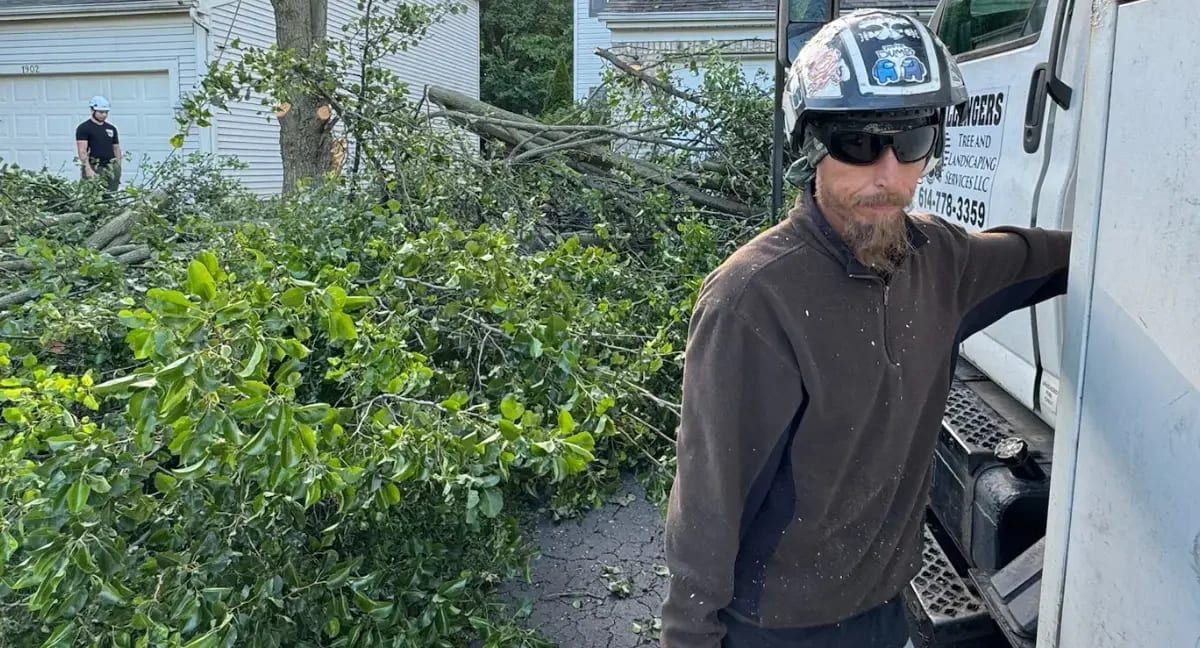
Challengers Tree Service specializes in the long-term management of residential landscapes, offering expert tree trimming and strategic pruning, tree removal, 24/7 emergency tree service, stump removal & grinding, shrub removal & trimming, debris hauling/removal, and lot & land clearing.
Our services are exclusively tailored for young trees on narrow suburban lots. Challengers Tree Service’s team is dedicated to proactive care, training your trees early to ensure strong structure and proper clearance. Based in Grove City and serving the entire Columbus area, we bring decades of experience and top-tier equipment to every job.
Frequently Asked Questions (FAQs) by the Homeowners in Columbus, OH
1. When is the best time to prune a young tree in Columbus?
The best time is usually late winter or early spring (dormant season). This allows the tree to heal quickly as soon as the spring growth flush begins and makes it easier for arborists to see the structural bones of the tree without leaves.
2. How far from my house should I plant a small tree?
As a general rule, even a small or columnar tree should be at least 10 to 15 feet away from the foundation. This allows for root expansion and prevents the canopy from trapping moisture against your siding.
3. Do I need to stake my young tree in Columbus?
Only if the site is extremely windy or the tree is leaning. If you stake, the ties should be loose enough to allow the tree to sway slightly, which helps the trunk develop taper and strength. Remove stakes after the first year.
4. Why are the leaves on my young maple turning yellow in the summer?
This is often Chlorosis, caused by the high alkalinity of Columbus soil, which prevents the tree from absorbing iron. Soil amendments or trunk injections can often fix this.
5. Can I plant a tree over my sewer line in Columbus?
It is highly discouraged. While some modern pipes are seamless, older clay or iron pipes can develop small cracks that roots will inevitably find and infiltrate, leading to expensive backups.
6. What is Included Bark?
Included bark occurs when two branches grow so close together that bark is squeezed between them. This creates a structural weak point that is prone to splitting during heavy snow or ice.
7. How much mulch is too much?
Anything over 4 inches is excessive. More importantly, never let the mulch touch the trunk itself, as this can lead to girdling roots that eventually choke the tree.
8. Will the city of Columbus prune the tree in the right-of-way?
The city manages many street trees, but for young trees planted by homeowners, the maintenance often falls on the resident. Always check with the City Forestry department if you are unsure of ownership.
Summary Checklist: Young Tree Care
| Condition | Risk Level | Recommended Action |
|---|---|---|
| Co-dominant stems (V-shaped structure) | High | Arrange structural pruning early to improve form and reduce future splitting risk |
| Yellowing leaves (chlorosis) | Moderate | Test soil conditions and address nutrient imbalance or root stress appropriately |
| Mulch piled against the trunk | Moderate | Pull mulch back from the trunk to expose the root flare and reduce moisture-related decay risk |
| Leaning after a storm event | High | Request prompt professional assessment for root damage, stability concerns, and corrective action |
| Dead or broken branches | Low | Prune damaged limbs promptly to improve safety and reduce pest or decay entry points |
Final Advice
Successful tree management on a narrow lot is a balance between aesthetic goals and the mechanical realities of your property.
- Start by selecting species that are genetically programmed to stay narrow, rather than trying to force a large tree into a small space through aggressive pruning.
- By investing in structural pruning during the first five years of the tree’s life, you create a strong architectural foundation that prevents the need for expensive removals or emergency repairs decades down the line.
- Remember that soil health is the foundation of growth; avoid over-mulching and ensure consistent watering during the establishment phase.
- When in doubt, a professional arborist can provide a long-term care plan that accounts for your home’s proximity and local infrastructure, ensuring your young tree remains a beautiful, safe part of your landscape for a lifetime.