Key Takeaways
- Identifying Structural Cracks: Understanding the signs of structural damage, such as visible splits, bark separation, and weak branches.
- Causes of Cracks: Factors like age, weather, pests, and poor pruning practices contribute to cracks in trees.
- Assessing Severity: Learn how to evaluate minor, moderate, and severe cracks and decide on the best course of action.
- Tree Care & Prevention: Tips for regular inspections, proper tree care, and when to call a professional for help.
Mature trees are often the cornerstone of any landscape, providing shade, beauty, and environmental benefits. But, just like any living organism, trees experience wear and tear over time. Structural cracks often found in the trunk, branches, or roots are one of the most significant issues that can affect the health of a tree. While cracks can sometimes be superficial, in other cases, they can threaten the tree’s structural integrity and pose a risk to nearby property and people.
In this article, we will explore how to assess structural cracks in mature trees, what causes them, and how to address the issue to ensure your trees remain safe and healthy. We will also cover the prevention and professional services available to mitigate potential damage from cracked trees.
What Are Structural Cracks in Trees?
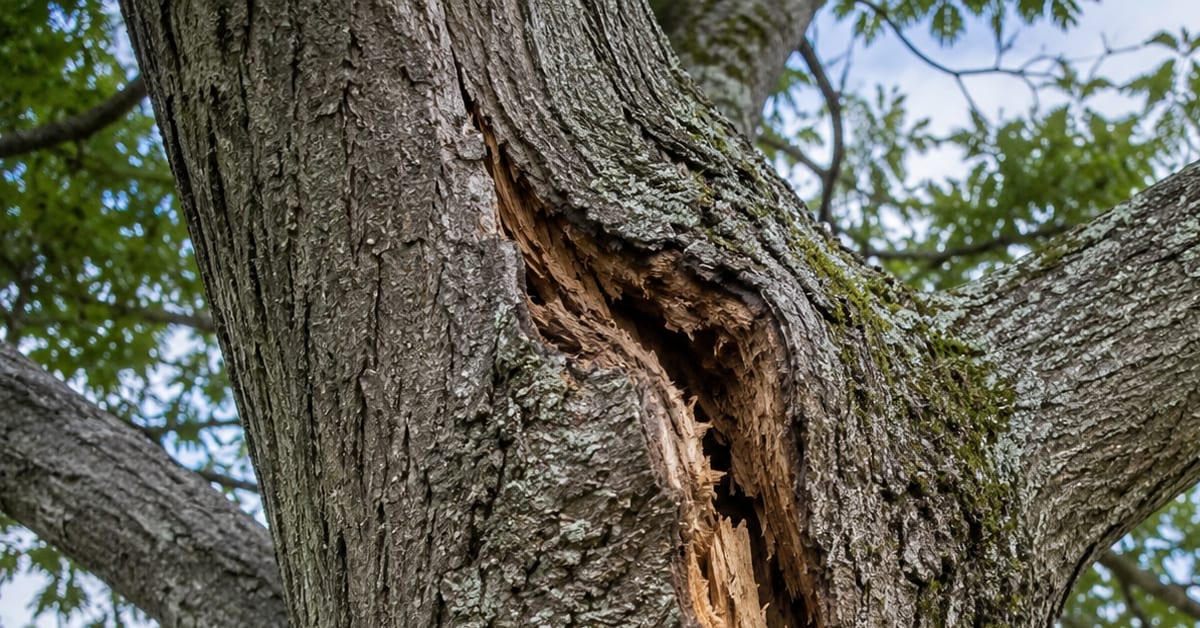
A structural crack is a fracture in the wood or bark of a tree, often occurring along the trunk or in branches. These cracks can range from small, superficial splits in the bark to deep fissures that reach the wood beneath. The size, location, and depth of the crack will largely determine how dangerous the crack is to the tree’s stability.
Cracks are usually indicative of stress, damage, or decay. They may occur naturally as the tree ages, but they can also result from storms, incorrect pruning, disease, or pest infestations. In severe cases, cracks compromise the integrity of the tree, causing branches to break off or, in the worst-case scenario, the tree to fall entirely.
Why Do Structural Cracks Happen?
Several factors can contribute to the formation of structural cracks in trees:
- Weather Conditions: Extreme weather, such as heavy winds, snow, or ice storms, can cause trees to bend or break, leading to cracks. Ice accumulation, for example, can add significant weight to branches, causing them to snap.
- Poor Tree Structure: Trees with multiple trunks or weak branch attachments are more likely to develop cracks. These structural weaknesses can lead to one-sided growth, which causes stress on the weaker parts of the tree.
- Aging: As trees age, their wood becomes more brittle. Mature trees, particularly those that are hollow or have decayed internal structures, are prone to cracking.
- Improper Pruning: Incorrect pruning methods can create wounds on a tree that may become entry points for pathogens. If large branches are removed improperly, it may leave the tree vulnerable to cracking under pressure.
- Pests and Disease: Insects like termites, carpenter ants, and wood-boring beetles can invade the interior of a tree, creating hollow spaces that leave it more prone to breaking. Fungal diseases such as root rot can weaken the tree’s base, leading to structural failure.
How to Identify Structural Cracks in Your Trees
Identifying structural cracks is the first step in assessing whether a tree requires attention. Look for the following signs:
- Visible Cracks or Splits: These are the most obvious signs of structural damage. Cracks may appear along the trunk or branches, ranging in size from small, hairline fractures to large splits.
- Exposed Wood: Cracks that penetrate the bark and expose the wood underneath are particularly concerning, as they indicate that the tree’s internal structure is compromised.
- Sagging or Leaning: If you notice that your tree is leaning to one side or that certain branches are sagging excessively, it could be a sign of a structural weakness caused by cracks.
- Bark Damage: Cracks in the bark that lead to peeling or flaking may signal that the tree is under stress, which could lead to further cracking.
- Pest Infestation: Cracks provide entry points for insects or fungi. Look for signs of infestation, such as holes in the bark or signs of wood decay around the crack.
How to Assess the Severity of Structural Cracks
When you notice a crack, it’s important to assess its severity. Not all cracks are dangerous, but some can cause irreparable damage if not addressed. Here’s how to assess the severity:
- Minor Cracks: If the crack only affects the outer bark and doesn’t penetrate deeply into the wood, it’s usually not an immediate threat. In these cases, the tree may heal naturally over time.
- Moderate Cracks: These cracks may extend into the wood but are not severe enough to threaten the tree’s overall stability. In many cases, these cracks can be managed with proper pruning, cabling, or bracing.
- Severe Cracks: Cracks that extend deep into the wood and compromise the tree’s structural integrity are severe. Trees with these kinds of cracks are at risk of failure and should be assessed by a certified arborist for possible removal or reinforcement.
What to Do If You Find Structural Cracks in Your Tree
Once you’ve assessed the severity of the crack, it’s time to take action:
- Minor Cracks: If the cracks are small and superficial, the tree may heal on its own. Regular monitoring is recommended to ensure that the crack does not worsen. You can also apply a tree wound dressing to protect the crack from pests or diseases.
- Moderate Cracks: For moderate cracks, you may need to consider cabling or bracing. These methods involve installing support systems that help stabilize the tree and prevent further damage. If the crack is in a large branch, you may need to prune the branch back to reduce stress on the tree.
- Severe Cracks: For severe cracks, it’s crucial to consult a professional arborist. They will be able to determine if removal is necessary or if cabling or bracing can provide adequate support. In some cases, a tree may need to be removed for safety reasons.
How to Prevent Structural Cracks in Trees
Preventing structural cracks is easier than treating them. Here are some preventive measures:
- Regular Pruning: Prune trees regularly to remove dead or weak branches. Proper pruning techniques help reduce the risk of cracks and ensure the tree has a healthy structure.
- Proper Tree Support: Trees with weak or multiple trunks should be supported with cabling or bracing. This will help reduce stress on the weaker parts of the tree.
- Tree Health Maintenance: Ensure your trees are healthy by providing adequate water, mulch, and fertilization. Healthy trees are less likely to develop cracks.
- Pest and Disease Control: Regularly inspect your trees for pests or signs of disease. Early intervention can prevent damage that leads to structural cracking.
If you are unsure about the severity of a crack or if the tree appears to be in a compromised state, it’s always best to consult a professional. At Challengers Tree Service, we specialize in assessing structural cracks in mature trees, which can compromise their stability and safety. Our expert arborists thoroughly inspect trees to identify any cracks or signs of weakness in the trunk or large limbs. By evaluating the size, location, and depth of these cracks, we can determine the severity and potential risks to your property.
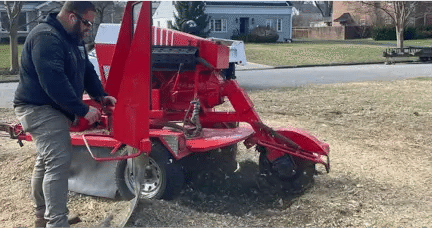
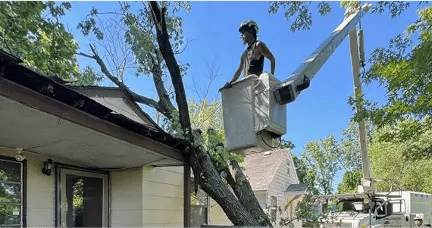
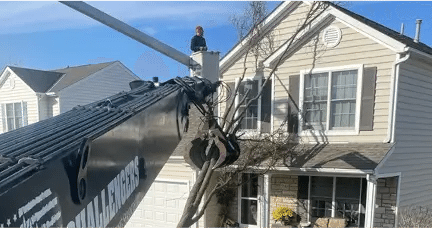
If necessary, we provide solutions like pruning to reinforce the tree. For trees with severe structural issues, our team can safely remove them using specialized equipment. At Challengers Tree Service, we ensure your trees are properly assessed and maintained to keep your property safe and your trees healthy. Our experienced team can evaluate your tree’s health and recommend the most effective course of action.
Frequently Asked Questions (FAQs)
What causes structural cracks in trees?
Structural cracks in trees can develop due to storm stress, high winds, improper pruning, rapid growth, age-related decline, internal decay, pest infestations, or weak branch attachments. These issues can reduce structural stability and increase failure risk.
How do I know if my tree’s crack is dangerous?
Surface bark cracks may be less concerning, but deep cracks that expose wood, widen over time, produce movement in the trunk or branches, or appear near major unions should be evaluated by a professional arborist as soon as possible.
Can I fix a cracked tree myself?
Minor superficial bark damage may only need monitoring, but structural cracks should not be treated as DIY repairs. Professional evaluation is important to determine whether pruning, cabling, bracing, or removal is the safest option.
How often should I inspect mature trees for cracks?
Mature trees should be visually inspected at least twice a year, especially after severe storms, heavy winds, freezing weather, or prolonged drought conditions that can increase structural stress.
Are cracked trees always a safety hazard?
Not always. Some cracks remain stable for years, while others indicate imminent structural failure. Risk depends on the crack’s depth, location, tree species, overall health, and proximity to people, vehicles, or structures.
What should I do if I find a large crack in a branch?
Keep people and pets away from the area beneath the branch and arrange a professional inspection. Large cracked limbs can fail without warning, particularly during windy or wet conditions.
How can I help prevent structural cracks in trees?
Preventative care includes proper structural pruning, routine inspections, early pest and disease management, reducing excess limb weight, and maintaining overall tree health through proper watering and soil care.
Is tree removal always necessary for cracked trees?
No. Some cracked trees can be preserved with structural support systems or corrective pruning. Removal is generally considered when the tree presents a significant safety risk or cannot be stabilized effectively.
What is tree cabling, and how does it help?
Tree cabling is a structural support method that uses specialized hardware to reduce movement between weak limbs or trunks. It helps lower stress on compromised sections and can extend the safe life of certain trees.
Summary Checklist for Assessing Structural Cracks in Trees
| Condition | Risk Level | Recommended Action |
|---|---|---|
| Minor surface bark cracks | Low | Monitor the tree regularly for changes and support overall tree health with proper care |
| Moderate cracks extending into the wood | Medium | Arrange a professional evaluation to determine whether pruning, cabling, or structural support is appropriate |
| Severe cracks or deep structural fissures | High | Request urgent arborist assessment, as structural failure risk may require immediate intervention or removal |
| Cracks in weak or overloaded branches | High | Reduce stress through professional pruning or structural support to prevent branch failure |
| Cracks with visible pests or fungal activity | Medium | Investigate for decay, pest infestation, or disease and treat underlying issues promptly |
Final Advice
Addressing structural cracks in mature trees requires prompt attention. The key to managing these issues lies in early detection and appropriate action. Minor cracks can often heal on their own, but more severe fractures may require professional intervention, including cabling, pruning, or even tree removal.
Preventive measures such as regular pruning, tree health maintenance, and pest control can significantly reduce the likelihood of cracks forming in the first place. Always consult a certified arborist if you are unsure about the severity of a crack or need professional guidance.
With proper care and attention, your mature trees can continue to thrive and provide beauty and safety for years to come.