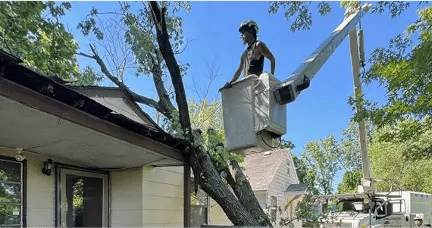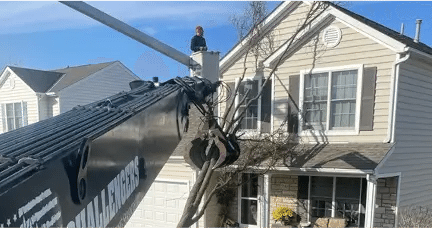

After a storm tears through your neighborhood or you finally remove that diseased oak from your front yard, you’re left staring at an ugly stump. It’s more than an eyesore. That leftover stump can attract termites, create a tripping hazard for kids playing in the yard, and make mowing your lawn a frustrating obstacle course. Homeowners across the region know this problem well. Between seasonal storms, aging trees, and the natural cycle of tree removal, stump grinding becomes a practical necessity rather than a luxury upgrade.
Understanding what influences stump grinding costs helps you plan your budget and avoid surprises. This guide walks you through everything that affects the final price, from the size of the stump to the accessibility of your property. You’ll learn what factors drive costs up or down, how to prepare for the work, and what questions to ask before hiring a professional.
What Is Stump Grinding and How Does It Work
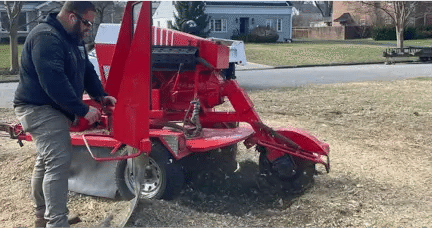
Stump grinding uses a specialized machine with a rotating cutting wheel to break down the remaining tree stump into small wood chips. The machine grinds the stump several inches below ground level, typically between six and twelve inches deep. This process eliminates the visible portion of the stump and enough of the root system to prevent regrowth.
The grinder operator moves the cutting wheel back and forth across the stump, gradually reducing it to mulch. The depth depends on what you plan to do with the area afterward. If you want to plant grass, the technician grinds deeper to allow for proper soil coverage. If you’re planning to plant another tree in the same spot, they may need to remove more of the root system.
Professional equipment makes a significant difference in results. Commercial stump grinders have more power, better maneuverability, and sharper teeth than rental machines. A skilled operator can grind a medium-sized stump in thirty to sixty minutes, depending on complexity.
The process creates a pile of wood chips and sawdust. Most tree service companies leave these chips on site unless you request removal. You can use the chips as mulch in flower beds or have them hauled away if you prefer a clean slate.
Factors That Influence Stump Grinding Costs
Multiple variables determine what you’ll pay for stump grinding services. Understanding these factors helps you get accurate estimates and compare quotes from different companies.
Stump diameter is the most significant factor. Professionals measure the diameter at ground level, not at the cut surface. A wider stump requires more grinding time, more wear on equipment, and more fuel consumption. Small stumps under twelve inches in diameter process quickly. Large stumps over thirty inches can take several hours.
Root system complexity affects labor time and difficulty. Some trees develop shallow, spreading root systems while others send down deep taproots. If visible roots extend far from the main stump, the technician needs to grind those as well. Pine stumps often have extensive surface roots that add time to the job.
Age and condition of the stump change the grinding dynamics. Fresh stumps contain more moisture and grind smoothly. Stumps that have sat for years become harder and more brittle. Decayed stumps may seem easier, but they can hide rocks or debris that damage grinder teeth.
Location and accessibility create practical challenges. A stump in an open front yard with easy access costs less than one tucked behind a fence in a tight backyard. Technicians may need to use smaller equipment or carry tools over longer distances, which increases labor time. Sloped terrain adds difficulty and safety concerns.
Soil conditions around the stump matter more than most homeowners realize. Rocky soil wears down grinder teeth faster. Sandy soil processes easily. Clay soil can clog equipment and slow progress. If the previous tree grew in soil with high rock content, expect the work to take longer.
The number of stumps affects pricing through volume considerations. Grinding five stumps on the same property costs less per stump than grinding one stump at five different addresses. The efficiency of working multiple stumps in sequence reduces setup time and travel costs.
Tree species determine wood hardness and grinding difficulty. Oak, hickory, and walnut are dense hardwoods that take longer to grind than softer species like pine, willow, or poplar. The technician needs to make more passes and replace teeth more frequently when working with hardwoods.
Grinding depth requirements vary based on your plans for the area. Standard grinding goes six to eight inches below grade. Deeper grinding to twelve inches or more costs more due to additional time and equipment wear. If you’re installing a pool, building a structure, or planting a new tree, deeper grinding prevents future problems.
Stump Grinding Cost Factors
| Factor | Low Complexity | Moderate Complexity | High Complexity |
|---|---|---|---|
| Stump Diameter | Under 12 inches | 12–24 inches | Over 24 inches |
| Root System | Single taproot | Moderate spreading | Extensive surface roots |
| Stump Age | 1–3 months old | 3–12 months old | Over 1 year old |
| Accessibility | Open front yard | Side access | Fenced or tight backyard |
| Soil Type | Sandy or loamy | Average topsoil | Rocky or clay-heavy |
| Tree Species | Pine, cedar, willow | Maple, ash, elm | Oak, hickory, walnut |
| Grinding Depth | 6–8 inches | 8–12 inches | Over 12 inches |
| Debris Removal | Chips left on site | Spread across the yard | Full cleanup/removal |
Local Permit Requirements and Regulations
Most residential stump grinding projects do not require permits, but checking local regulations protects you from potential fines. Requirements vary by municipality and depend on the size of the project and proximity to public areas.
Contact your local building department or city hall before starting work. Some areas require permits if the stump sits within a certain distance from the street, sidewalk, or property line. Others mandate permits for grinding multiple stumps in a single project or when working on properties with protected tree zones.
Call 811 before any grinding work begins. This free utility locating service marks underground lines for electricity, gas, water, telecommunications, and cable. Hitting a utility line during stump grinding creates dangerous situations and expensive repairs. You should always contact your local 811 center to mark underground utilities a few business days before starting any project involving excavation.
Associations often have specific rules about tree removal and stump grinding. Review your HOA guidelines or contact the board before scheduling work. Some associations require written approval, limit work to certain days or hours, or mandate complete debris removal rather than leaving wood chips on site.
Environmental regulations protect certain tree species in some municipalities. If your tree qualified as heritage or protected before removal, additional rules may govern stump disposal. Native species near wetlands, streams, or conservation areas sometimes require special handling.
Safety Considerations for Stump Removal
Stump grinding involves powerful rotating equipment that demands respect and proper safety protocols. Professional tree service companies follow strict safety standards to protect workers, property, and bystanders.
Equipment hazards include the rotating cutting wheel, flying debris, and noise levels that can damage hearing. Operators wear safety glasses, hearing protection, steel-toed boots, and protective clothing. The grinder can throw wood chips, rocks, and soil up to twenty feet in any direction. Professionals set up barriers and clear the area before starting work. The Occupational Safety and Health Administration (OSHA) provides inspection guidance for tree care operations to ensure hazards like struck-by objects and equipment malfunctions are minimized.
Underground utilities pose the most serious safety risk. Gas lines, electrical cables, water pipes, and fiber optic lines often run through yards at shallow depths. Even with utility locating services, some lines may not appear on official maps. Experienced operators watch for signs of utilities and stop immediately if they encounter unexpected resistance.
Property damage prevention requires careful planning. Grinders can damage sprinkler systems, landscape lighting, decorative borders, and underground drainage systems. Mark these features clearly before work begins. Low-hanging branches, nearby structures, and parked vehicles need protection from flying debris.
Professional companies carry liability insurance and workers’ compensation coverage. Verify insurance before hiring any tree service. A homeowner using rental equipment assumes all liability for injuries and property damage. According to the CDC, safeguarding machinery with operator presence systems is a critical technical advancement designed to prevent severe contact injuries during stump cutter use.
Professional companies carry liability insurance and workers’ compensation coverage. Verify insurance before hiring any tree service. A homeowner using rental equipment assumes all liability for injuries and property damage. According to the U.S. Consumer Product Safety Commission, thousands of people visit emergency rooms each year due to chainsaw and stump grinder injuries, with most incidents involving inexperienced operators.
Common Mistakes Homeowners Make with Stump Grinding
Many homeowners underestimate the complexity of stump removal and make decisions that cost more money or create additional problems. Learning from these common errors helps you plan more effectively.
Waiting too long after tree removal allows stumps to dry out and harden. Fresh stumps grind faster and more efficiently. Some homeowners think waiting will make the stump easier to remove as it decays, but decay takes years and creates pest problems in the meantime. Termites, carpenter ants, and wood-boring beetles colonize old stumps and can spread to your home.
Attempting DIY grinding with rental equipment seems cost-effective until you factor in equipment rental rates, fuel, blade replacement, and time investment. Rental grinders lack the power of professional machines. They require multiple trips to the rental store, careful transportation, and several hours of physical labor. One homeowner in the area spent two days grinding a single oak stump with a rental machine, only to call professionals to finish the job because the rental equipment couldn’t handle the root system.
Ignoring underground utilities creates catastrophic risks. Some homeowners skip the 811 call to save time or avoid waiting. Hitting a gas line can cause explosions. Severing electrical cables can cause electrocution. Damaging fiber optic lines results in expensive repair bills and potential lawsuits from service providers.
Failing to consider future landscaping plans leads to inadequate grinding depth. If you plan to install a patio, build a shed, or plant a large tree in that spot, standard grinding depth won’t suffice. Grinding too shallow means dealing with the stump again later when roots interfere with construction.
Choosing the lowest quote without verification sometimes means hiring unlicensed, uninsured operators. These companies may damage property and disappear, leaving you with repair costs. Always verify licenses, insurance, and references before making a decision.
Not asking about debris cleanup leads to surprises when massive piles of wood chips remain in your yard. Some companies include cleanup and removal in their service, while others charge extra. Clarify expectations upfront to avoid misunderstandings.
When to Call a Professional Tree Service
Certain situations require professional expertise rather than DIY attempts. Recognizing when to call experts saves time, prevents injuries, and ensures proper results.
Large stumps over eighteen inches in diameter exceed the capabilities of rental equipment. Professional grinders have the power and cutting capacity to handle these efficiently. What takes a homeowner days to grind takes professionals hours with the right equipment.
Multiple stumps on your property benefit from professional bulk pricing. The per-stump rate decreases when you schedule several removals at once. Professionals also complete the work faster, minimizing disruption to your daily routine.
Stumps near structures, utilities, or landscaping require careful maneuvering and experienced judgment. Professionals know how to work around obstacles without causing damage. They understand appropriate buffer zones and can adjust grinding depth based on proximity to foundations, driveways, and underground systems.
Difficult access situations like stumps behind houses, on steep slopes, or in fenced yards need specialized equipment and techniques. Professional companies own various grinder sizes and can select the appropriate machine for your specific situation.
Time-sensitive projects such as preparing for new construction, completing real estate transactions, or scheduling landscape installations benefit from professional efficiency. Tree service companies like Challengers Tree Service coordinate timing with your other contractors and complete work according to your deadlines.
Safety concerns about equipment operation, physical capability, or property protection justify professional help. If you’re uncomfortable operating powerful machinery or unsure about potential hazards, hiring experts provides peace of mind.
How Much Does Stump Grinding Cost? Frequently Asked Questions
How long does stump grinding typically take?
Most residential stumps take between thirty minutes and two hours to grind completely. Small stumps under twelve inches may take only fifteen to twenty minutes, while large stumps over thirty inches can require three to four hours. Multiple stumps on the same property process faster per stump due to reduced setup time between removals.
Can I replant a tree where a stump was ground?
Yes, but you need adequate grinding depth and soil preparation. Remove the wood chips and add fresh topsoil mixed with compost. Wait at least two weeks before planting to allow settling. Plant the new tree slightly offset from the original stump location if possible, as remaining roots can interfere with the new root system development.
What happens to the wood chips after grinding?
Most companies leave wood chips on site unless you request removal. You can use them as mulch around garden beds, spread them in wooded areas, or compost them. Fresh wood chips take nitrogen from the soil as they decompose, so avoid placing them directly around plants. Aged chips work better for landscaping purposes.
Is stump grinding better than stump removal?
Stump grinding is faster, less invasive, and more cost-effective for most situations. Complete stump removal requires excavating the entire root ball, which damages the surrounding landscape and creates a large hole to fill. Grinding leaves most roots underground, where they decay naturally over time without causing problems. Choose full removal only when building over the area or if dealing with a disease.
How deep should stump grinding go?
Standard grinding goes six to eight inches below grade, which suffices for lawn restoration. Go deeper to ten or twelve inches if you plan to install hardscaping like patios or walkways. Construction projects may require grinding to eighteen inches or more. Discuss your plans with the tree service to ensure appropriate depth.
Will grinding damage my lawn or landscaping?
Professional operators minimize lawn damage by using plywood mats or tracked equipment that distributes weight. Some minor rutting may occur in wet conditions, but grass recovers within weeks. The grinding area itself will need reseeding after filling with soil. Protect nearby plants with tarps to catch flying debris and prevent wood chip accumulation around roots.
Final Thoughts
Stump grinding costs shift with stump size, species, access, soil, and the depth you need. The fastest way to get a real number is a quick site check. Challengers Tree Service can measure the stump, look at access, and give you a clear, accurate quote based on your yard. If you’re planning new landscaping or hardscaping, let the team know so the grinding depth is set right the first time. This leaves you with a clean, safe, ready-to-use space.